
-
 AI and Digital Health
- Gastrointestinal
-
 Biomanufacturing
-
 Brain Health
-
 Business Development and Investment
-
 Cardiovascular
-
 Cell and Gene Therapy and Genome Editing
-
Contract Manufacturing Organization
-
Dermatology
-
 Diagnostics and Personalized Medicine
-
 Emerging Opportunities in Global Markets
-
Immunology
-
 Infectious Disease and Vaccines
-
Inflammation
-
 Intellectual Property and Legal Landscape
-
Medical Devices
-
Metabolic Diseases
-
Multiline Global Biopharma
-
Multiple Therapeutics
-
 Next Generation Biotherapeutics
-
 Non-Profit/Patient Advocacy Group
-
 Oncology
-
Ophthalmology
-
 Orphan and Rare Disease
-
Other
-
Pain Management
-
Patient Advocacy
-
Platform for Therapeutics
-
Regenerative Medicine
-
Reproductive/Sexual Health
-
Respiratory
-
 Science and Regulatory Innovation
-
 Special Program
-
Tools/Drug Development Support Tech
-
 Translational Research
-
 Value, Patient Access and Reimbursement
-
 Workforce, Health Equity, and Leadership
We're sorry, but we couldn't find any results that match your search criteria. Please try again with different keywords or filters.
Loading
8:30 AM (PT)
-
This is a three day course requiring attendance on all three days. "Advanced Business Development "(ABD) is a long-running course focusing on all key aspects of transactions in the biopharma industry. This course is ideal for professionals ranging from those with limited experience (2–3 years) looking to advance their skills; and highly experienced dealmakers or executives looking to hone their skills and network with other dealmakers. "Advanced Business Development" incorporates lectures from experienced dealmakers, review of example models, dissection of actual deals, interaction with other participants, and live Q&A. Also, the course includes a mock negotiation scenario when each participant is a member of a deal team assigned to negotiate a transaction involving a drug in development with another team using an actual valuation and deal structuring model. Takeaways: Business development practices Trends in BD transactions Valuation, analytics, and models Deal structuring Negotiation ...Course - Additional FeeFaculty
-
This is a three day course requiring attendance on all three days. The Business Development Fundamentals in-person course provides a foundation of the key skills that are required to execute a licensing transaction. With a focus on the biopharma industry, the course is taught by senior executives who have personal experience and expertise in transactional and intellectual property law; business development – both sell and buy sides; finance; alliance management; negotiation, and university technology transfer. Previous attendees include professionals from many international institutions. A sample of companies include: - Alkermes - NIH - American Society of Hematology - Gilead - Amgen - Merck National Taiwan University - Baylor College of Medicine - Novartis - Bluebird Biosciences - Queensland University of Technology - Biogen - Pfizer - Chinese University of Hong Kong - Sanofi - Eli Lilly - Takeda - Evotec - US Army Medical Research - Genentech Course Price: BIO Member: $2,550 Non-Memb ...Course - Additional FeeFaculty
)
)
)
)
)
)
)
.jpg/fit-in/120x9999/filters:no_upscale())

)
.jpg/fit-in/120x9999/filters:no_upscale())
)
)
8:30 AM (PT)
-
This is a three day course requiring attendance on all three days. The Business Development Fundamentals in-person course provides a foundation of the key skills that are required to execute a licensing transaction. With a focus on the biopharma industry, the course is taught by senior executives who have personal experience and expertise in transactional and intellectual property law; business development – both sell and buy sides; finance; alliance management; negotiation, and university technology transfer. Previous attendees include professionals from many international institutions. A sample of companies include: - Alkermes - NIH - American Society of Hematology - Gilead - Amgen - Merck National Taiwan University - Baylor College of Medicine - Novartis - Bluebird Biosciences - Queensland University of Technology - Biogen - Pfizer - Chinese University of Hong Kong - Sanofi - Eli Lilly - Takeda - Evotec - US Army Medical Research - Genentech Course Price: BIO Member: $2,550 Non-Memb ...Course - Additional FeeFaculty
-
This is a three day course requiring attendance on all three days. "Advanced Business Development "(ABD) is a long-running course focusing on all key aspects of transactions in the biopharma industry. This course is ideal for professionals ranging from those with limited experience (2–3 years) looking to advance their skills; and highly experienced dealmakers or executives looking to hone their skills and network with other dealmakers. "Advanced Business Development" incorporates lectures from experienced dealmakers, review of example models, dissection of actual deals, interaction with other participants, and live Q&A. Also, the course includes a mock negotiation scenario when each participant is a member of a deal team assigned to negotiate a transaction involving a drug in development with another team using an actual valuation and deal structuring model. Takeaways: Business development practices Trends in BD transactions Valuation, analytics, and models Deal structuring Negotiation ...Course - Additional FeeFaculty
8:30 AM (PT)
-
This is a three day course requiring attendance on all three days. "Advanced Business Development "(ABD) is a long-running course focusing on all key aspects of transactions in the biopharma industry. This course is ideal for professionals ranging from those with limited experience (2–3 years) looking to advance their skills; and highly experienced dealmakers or executives looking to hone their skills and network with other dealmakers. "Advanced Business Development" incorporates lectures from experienced dealmakers, review of example models, dissection of actual deals, interaction with other participants, and live Q&A. Also, the course includes a mock negotiation scenario when each participant is a member of a deal team assigned to negotiate a transaction involving a drug in development with another team using an actual valuation and deal structuring model. Takeaways: Business development practices Trends in BD transactions Valuation, analytics, and models Deal structuring Negotiation ...Course - Additional FeeFaculty
-
This is a three day course requiring attendance on all three days. The Business Development Fundamentals in-person course provides a foundation of the key skills that are required to execute a licensing transaction. With a focus on the biopharma industry, the course is taught by senior executives who have personal experience and expertise in transactional and intellectual property law; business development – both sell and buy sides; finance; alliance management; negotiation, and university technology transfer. Previous attendees include professionals from many international institutions. A sample of companies include: - Alkermes - NIH - American Society of Hematology - Gilead - Amgen - Merck National Taiwan University - Baylor College of Medicine - Novartis - Bluebird Biosciences - Queensland University of Technology - Biogen - Pfizer - Chinese University of Hong Kong - Sanofi - Eli Lilly - Takeda - Evotec - US Army Medical Research - Genentech Course Price: BIO Member: $2,550 Non-Memb ...Course - Additional FeeFaculty
9:00 AM (PT)
-
This is a one day course requiring attendance for the entire course day. The "Product & Company Valuation" course is designed to teach a systematic approach to producing a valuation that can be used in investment rounds, mergers/acquisitions, licensing deals, or strategic development decisions in the pharma-biotech world. This introductory course is very valuable for pharma and biotech executives who are not familiar with compound and company valuations but need a thorough understanding of the valuation concepts and techniques that are commonly applied in the pharma and biotech industries. It goes beyond the number-crunching techniques of most consultants and includes difficult to define qualitative factors, which shape the risk profile of the company in question. This course optimally balances interactive lectures with practical group work exercises that are designed to help you practice the fundamental valuation tools & techniques taught throughout the day. Valuation is an inherently ...Course - Additional Fee
9:00 AM (PT)
-
Threats to U.S. national health security are becoming more frequent and complex, requiring stronger coordination between government and industry to improve detection capabilities, develop countermeasures, and deliver them at scale. This session will convene senior U.S. government officials, industry leaders, and policy experts to examine how public-private partnerships can be strengthened at each stage of the preparedness lifecycle. Through a series of focused panels, speakers will explore how the U.S. government is strengthening surveillance systems, accelerating innovation, modernizing acquisition pathways, expanding manufacturing capacity, and shaping the policy environment to support a resilient medical countermeasure enterprise. Attendees will gain practical insights into how to engage with key agencies, navigate funding and contracting pathways, and align capabilities with U.S. national security priorities. This discussion will provide a clear, end-to-end view of how government a ...Engagement Day
-
Special Program
-
Engagement Day Session 28ABCDE
-
Engagement Day Session 28ABCDE
-
Engagement Day Session 28ABCDE
-
Engagement Day Session 28ABCDE
-
Engagement Day Session 28ABCDE
-
Engagement Day Session 28ABCDE
-
-
This opening conversation will explore biodefense as a core element of U.S. national security and examine the federal government’s role in strengthening readiness, resilience, and deterrence against emerging threats. The discussion will explore how national security priorities are shaping biodefense strategy, including the role of key agencies, interagency coordination, and the policies and authorities needed to ensure the U.S. can detect, develop, and deploy medical countermeasures rapidly. The conversation will also highlight how industry capabilities can align with federal requirements, providing attendees with insight into how to engage effectively in support of national preparedness.Engagement Day Session 28ABCDEModerator
)
)

)
)
)
)
)
)
)
)
)
)
)
)
.jpeg.jpg/fit-in/120x9999/filters:no_upscale())
)
)
)
9:30 AM (PT)
-
Effective preparedness begins with timely detection. Surveillance data plays a critical role in informing early medical countermeasure research and development, helping to identify priority threats, guide platform investments, and accelerate decision-making before an outbreak escalates. This panel will explore how the U.S. government is strengthening biosurveillance systems to identify emerging threats earlier and translate data into actionable decisions on research and development priorities. Panelists will discuss integration across public health, national security, and international surveillance networks, the role of advanced analytics and data sharing, and opportunities for industry to support next-generation detection capabilities.Engagement Day Session 28ABCDESpeakers
10:00 AM (PT)
-
This panel will examine how the U.S. government is advancing medical countermeasure innovation to address the evolving threat landscape. Panelists will discuss federal priorities for research and development, approaches to strengthening collaboration with industry, and considerations for accelerating the development of medical countermeasures and innovations to address emerging infectious diseases. The conversation will also explore how government and industry can better align capabilities, timelines, and expectations to support preparedness, while providing attendees with insight into opportunities for engagement.Engagement Day Session 28ABCDESpeakers
10:40 AM (PT)
-
Bridging the gap between innovation and deployment requires effective contracting and procurement strategies. This panel will focus on how the U.S. government is leveraging acquisition tools, including OTAs, FAR-based contracts, and partnership agreements to accelerate medical countermeasure development and ensure readiness. Panelists will share insights on improving demand signals, aligning development milestones with procurement pathways, and reducing friction across the transition from R&D to acquisition.Engagement Day Session 28ABCDESpeakers
11:20 AM (PT)
-
A resilient manufacturing base is essential to operational readiness before a health crisis occurs. This panel will explore how the U.S. government is working with industry to expand domestic biomanufacturing capacity, enable surge production, and strengthen supply chain resilience. Discussion will include strategies to sustain warm-base manufacturing, support workforce development, and align long-term investment with national security requirements to strengthen rapid scale-up during health emergencies.Engagement Day Session 28ABCDESpeakers
12:00 PM (PT)
-
Policy and funding decisions, driven by Congress, shape the foundation of preparedness. This panel will provide an overview of the current legislative landscape, including priorities for biodefense, public health preparedness, and medical countermeasure development. Panelists will discuss key reauthorization efforts, appropriations dynamics, and emerging policy proposals.Engagement Day Session 28ABCDE
1:00 PM (PT)
-
Company PresentationsCompany Presentations will take place in Theaters on the Exhibition Floor. Watch here for the detailed schedule, to be released in May. Find Presenting Companies in the Partnering system by filtering by the "Presenting Company" tag.Company Presentation Session2:00 PM
-
- Oncology
Theater 2
2:15 PM-
- Oncology
Theater 2 -
- Multiple Therapeutics
Theater 4
2:30 PM-
- Regenerative Medicine
Theater 1 -
- Oncology
Theater 2 -
- Immunology
Theater 3 -
- Multiple Therapeutics
Theater 4
2:45 PM-
- Regenerative Medicine
Theater 1 -
- Oncology
Theater 2 -
- Oncology
Theater 3 -
- Orphan and Rare Disease
Theater 4
3:00 PM-
- Regenerative Medicine
Theater 1 -
- Oncology
Theater 2 -
- Tools/Drug Development Support Tech
Theater 3 -
- Respiratory
Theater 4
3:15 PM-
- Regenerative Medicine
Theater 1 -
- Oncology
Theater 2 -
- Tools/Drug Development Support Tech
Theater 3 -
- Respiratory
Theater 4
3:30 PM-
- Regenerative Medicine
Theater 1 -
- Oncology
Theater 2 -
- Tools/Drug Development Support Tech
Theater 3 -
- Respiratory
Theater 4
3:45 PM-
- Regenerative Medicine
Theater 1 -
- Oncology
Theater 2 -
- Immunology
Theater 3 -
- Respiratory
Theater 4
4:00 PM-
- Other
Theater 1 -
- Oncology
Theater 2 -
- Immunology
Theater 3 -
- Orphan and Rare Disease
Theater 4
4:15 PM-
- Other
Theater 1 -
- Oncology
Theater 2 -
- Immunology
Theater 3 -
- Orphan and Rare Disease
Theater 4
4:30 PM-
- Inflammation
Theater 1 -
- Oncology
Theater 2 -
- Immunology
Theater 3 -
- Orphan and Rare Disease
Theater 4
4:45 PM-
- Inflammation
Theater 1 -
- Oncology
Theater 2 -
- Multiple Therapeutics
Theater 3 -
- Orphan and Rare Disease
Theater 4
5:00 PM-
- Platform for Therapeutics
Theater 1 -
- Oncology
Theater 2 -
- Contract Manufacturing Organization
Theater 4
5:15 PM-
- Multiline Global Biopharma
Theater 1 -
- Oncology
Theater 2 -
- Immunology
Theater 3 -
- Orphan and Rare Disease
Theater 4
-
-
This opening session of the 2026 BIO AI Summit will provide the latest data from Benchling on AI adoption rates across the biotechnology industry including benchmarks by size of organization, by degree of clinical development, and by modality, plus much more, to help guide future resource decisions. Experts will discuss which AI use cases are finding the strongest ROI and where the hype still exceeds the outputs, plus the organizational shifts companies are making internally to maximize their results. This data and discussion, including live Q&A, will help provide an evidence-based grounding for the set of six AI Summit conversations later this day, plus 16 more sessions explicitly about AI during the rest of the event, as well as inform the involvement of AI tools in conversations across regulatory policy, patient experiences, and business development occurring throughout the BIO International Convention.AI Summit Session
-
AI and Digital Health
-
)

1:40 PM (PT)
-
Storytelling Stage SessionStorytelling Stage Session Storytelling Stage (Booth #3035)
)
)
1:45 PM (PT)
-
A longstanding priority for both Congress and FDA, there has been a significant evolution in recent years in the ways in which patients’ experiences and preferences have been incorporated into the drug development and regulatory review processes. Particularly when it comes to rare diseases for which natural history is often lacking, operationalizing learnings from the lived experiences of patients has become a critical goal for numerous stakeholders. In this session, we will discuss case studies and best practices in centralizing the voice of the patient/caregiver into the design of meaningful clinical trials (endpoints and methodologies), as well as ways patients can interact with FDA itself.Breakout Session
-
Orphan and Rare Disease
Speakers -
-
Real world data (RWD) are increasingly relied upon to inform drug policy decisions at both the state and federal levels. For example, state Prescription Drug Affordability Boards (PDABs) are using all-payer claims databases (APCDs) to support decisions on drug affordability. Further, CMS is leveraging Medicare claims to select eligible drugs and set the maximum fair price (MFP) for drugs in the Medicare Drug Price Negotiation Program (MDPNP). A potential overreliance on claims-based data for these decisions highlights concerns such as unequal data access amongst stakeholders, data infrastructure gaps, and the need to utilize more patient-centric data. This panel will illustrate the current state of how RWD is being used in state and federal drug pricing decisions, discuss the limitations of current data, and examine opportunities and actionable solutions to address these and other challenges. Attendees will gain a better understanding of the way RWD can inform policy decision-making an ...Breakout Session
-
Value, Patient Access and Reimbursement
-
-
Alzheimer’s disease is one of the greatest challenges facing patients, health systems, and society, affecting over 55 million people worldwide. At the intersection of a growing public health crisis, capital pressures, and profound economic burden, the field is at a pivotal inflection point. Addressing it will require diversified investment strategies and cross-sector collaboration that accelerate scientific progress across the full research and development continuum. This panel convenes leaders from biotech, pharma, and philanthropy to examine how innovative science, strategic investment, and collaborative models can unlock the next wave of Alzheimer’s breakthroughs and accelerate progress toward conquering this disease once and for all.Breakout Session
-
Business Development and Investment
Speakers -
-
The healthcare ecosystem is experiencing an unprecedented transformation fueled by scientific, technological, geopolitical, economic, and demographic changes. Whilst breakthrough innovations are shaping the next generation of medicines, developers need to adapt smartly to remain competitive in a fast-changing global landscape. Policy makers need to keep up with the pace of change by providing an agile framework that accelerates access, enhances efficiency, and strengthens global competitiveness. This session explores the opportunities and challenges of platform technologies and novel licensing concepts, asking how industry, regulators, and healthcare systems can work together to turn breakthrough ideas into tangible health and economic value.Breakout Session
-
Emerging Opportunities in Global Markets
Speakers -
-
Our industry has faced a variety of geopolitical and economic issues that inject uncertainty into deal-making. We must now navigate an unprecedented wave of legislation, executive orders, and policies covering most favored nation pricing, tariffs, data sharing restrictions, and domestic manufacturing, among others. In this panel, speakers will explore strategies for how to allocate risk and close deals in the face of this uncertainty. These dynamics require organizations to adopt more agile negotiation frameworks, strengthen interdisciplinary collaboration, and anticipate shifting regulatory interpretations, ensuring that transactions remain resilient, competitive, and aligned with rapidly evolving global expectations as well as commercial realities and pressures.Breakout Session
-
Business Development and Investment
Speakers -
-
In vivo hematopoietic stem cell (HSC) engineering represents the next inflection point in genetic medicine - moving beyond transient delivery or ex vivo manipulation to direct, permanent reprogramming of the body’s own stem cells. By targeting HSCs in the body’s native bone marrow, emerging in vivo platforms such as viral-like particles, base and epigenetic editing, lipid nanoparticles, lentivirus and fusogen-based systems are advancing the therapeutic paradigm toward one-time, off-the-shelf treatments. This panel will convene thought leaders from this emerging field to explore scientific breakthroughs enabling in vivo HSC targeting, therapeutic opportunities across disease areas, challenges of delivery and safety, and the regulatory and commercial models needed for success. Attendees will leave with a stronger understanding of why this is one of the most important and emerging areas in therapeutic innovation.Breakout Session
-
Cell and Gene Therapy and Genome Editing
Speakers -
-
This session brings together leaders from pharma, AI technology, life sciences platforms, CROs, and specialized biotech AI to cut through the noise and examine how artificial intelligence is delivering tangible value in biopharma today. Panelists will explore the evolution from AI pilots to scaled implementation, sharing concrete examples of where AI is meaningfully accelerating drug discovery, improving R&D productivity, and enabling new scientific approaches. The discussion will address current technical and organizational challenges, practical strategies for integrating AI into existing workflows, and near-future developments that will further transform the industry. Attendees will gain actionable insights into building effective AI capabilities, measuring ROI on AI investments, and preparing their organizations for the next wave of AI-powered innovation in biopharma.AI Summit Session
-
AI and Digital Health
Speakers -
-
Within the Asia Pacific Region, Google Health and Health2Sync have partnered with Taiwan's National Health Insurance Administration and AI to stratify diabetes patients at risk of complications and then provide personalized digital interventions to improve outcomes. In Singapore, both Google Health and Health2Sync are developing software that will help citizens better manage hypertension and pre-diabetes. In Japan, software and digital engagement are also deployed in corporate and municipality funded disease management programs. And in Korea, healthcare providers are starting to leverage evidence-based software tools for efficiency in achieving government sponsored population health. Speakers from Asia Pacific, including Taiwan, Singapore, Korea and Japan, will discuss their vision for better chronic disease management as well as the perspectives of economics with health technology assessment (HTA) as provided by solution providers and payers.AI Summit Session
-
AI and Digital Health
Speakers -
-
The promise of cell and gene therapy is extraordinary - but so are the challenges of producing it at scale. Manufacturing remains the key barrier to delivering these life-changing therapies to patients globally. Now, a new wave of technologies is transforming that reality. Automation, AI, digital twins, and advanced analytics are driving consistency, speed, and scalability, while next-generation platforms are enabling closed, modular, and data-driven production systems. This session brings together experts across bioprocess engineering, CDMOs, and CGT innovators to explore how technology is redefining manufacturing economics and accessibility. Panelists will discuss integrating digital process control, predictive analytics, and smart automation to reduce cost of goods, improve reproducibility, and enable global supply at commercial scale. The conversation will also highlight partnerships that blend biotech innovation with tech-driven process excellence to build a sustainable, connected ...Breakout Session
-
Biomanufacturing
Speakers -
-
In recent years, the US public health apparatus has weathered mounting fiscal stress, shifting political priorities, and deep cuts at the federal level. Proposed reductions to the Centers for Disease Control and Prevention (CDC), claw backs of COVID-era funding, and reorganization of health agencies threaten to hollow out core infectious disease surveillance, outbreak response, and health equity infrastructure. Meanwhile, threats from emerging pathogens, antibiotic resistance, and global disease spillover haven’t abated — indeed, many believe risk is rising. This panel will explore how stakeholders across the ecosystem are responding to this tension between rising biological threats and deteriorating public health support. What is being lost, what creative adaptations are underway, and where are the pressure points for emerging biotech innovation, local public health systems, and policy advocacy?Breakout Session
-
Infectious Disease and Vaccines
Speakers -
-
Despite growing calls for pediatric inclusion, many clinical trials, especially in rare diseases, continue to exclude children or delay their enrollment until late stages. Yet, in many rare diseases, the point of maximal impact (PMI) occurs in childhood, when disease burden is highest and therapeutic windows are narrow. Excluding these patients not only delays access, but it also weakens trial validity, limits generalizability, and promotes off-label use in an evidence vacuum. This panel will challenge the outdated dichotomy of "adult-first" trial sequencing and instead propose scientifically grounded, ethically sound, and operationally feasible strategies for pediatric-first or concurrent inclusion. Attendees will leave with actionable strategies to confidently include pediatric patients in early-to mid-phase studies, supported by regulatory precedents, trial frameworks, and published outcomes.Breakout Session
-
Science and Regulatory Innovation
Speakers -
-
This intensive seminar provides biotech leadership teams with a practical, investor-facing playbook for raising institutional private capital. Designed for companies across stages, from early-stage platform companies determining their first asset to clinical-stage organizations preparing for late-stage financing, this session focuses on how to craft a compelling narrative, build a capital-efficient business plan, and position your company to generate genuine investor interest. Rather than covering generic fundraising theory, this masterclass cuts directly to what institutional investors evaluate today: a credible pipeline strategy, milestone-driven use of proceeds, and a story that sets up the next round, not just the current one. Features of the seminar include picking the right first asset, using a pipeline strategy as a fundraising signal, structuring your deck for investors to tell a coherent story, milestone-to-capital mapping, presenting use of proceeds strategically, modelling f ...Breakout Session
-
Business Development and Investment
-
-
Cardiovascular disease (CVD) remains the world’s leading cause of death, yet policy prioritization and investment continue to lag behind its health and economic impact. This session will explore how governments and policy stakeholders are responding to the growing CV epidemic by raising public awareness and advancing innovative policy solutions. Drawing on examples from across the world, the discussion will examine the burden of CVD, the impact of improved screening, risk factor management, and prevention, and highlight how policy and advocacy leaders are driving policy solutions that are reshaping cardiovascular health strategies worldwide.Breakout Session
-
Next Generation Biotherapeutics
Sponsored by:
-
.jpg/fit-in/64x9999/filters:no_upscale())
)
)
)
)
)
)
)
)
)
)
)
)
)
)
)
)
)
.jpg/fit-in/120x9999/filters:no_upscale())
)
)
)
)
)

)
)
)
)
.jpg/fit-in/120x9999/filters:no_upscale())
)
.jpg/fit-in/120x9999/filters:no_upscale())
)
)
)
)

)
)
)
.jpeg)
)
)
)
)
.jpg/fit-in/120x9999/filters:no_upscale())
)
)
)
.jpg/fit-in/120x9999/filters:no_upscale())
)

)


.jpg/fit-in/120x9999/filters:no_upscale())
)
)
2:00 PM (PT)
-
Storytelling StageThe BIO Storytelling Stage is a showcase of the heart of BIO's priorities—sharing the stories of the biotechnology industry that show who we are, who we serve, what we do, and why we do it. You'll hear inspiring stories from researchers on the newest biotech advancements, perspectives from patients and caregivers on how biotech has affected their lives, and insights from company founders on their relentless pursuit to make the world a better place.Storytelling Stage Storytelling Stage (Booth #3035)Sponsored by:


-
Storytelling Stage SessionStorytelling Stage Session Storytelling Stage (Booth #3035)
-
Storytelling Stage SessionStorytelling Stage Session Storytelling Stage (Booth #3035)
-
Storytelling Stage SessionAttendees will leave with a model for longitudinal cognitive-motor monitoring, along with a candid look at where current rehabilitation and research tools fall short, and where consumer VR hardware mi ...Storytelling Stage Session Storytelling Stage (Booth #3035)
-
Storytelling Stage SessionDespite major advances in psoriatic disease treatment, many patients remain disengaged from care — not due to lack of access, but because of stalled momentum shaped by past experiences, mistrust, and ...Storytelling Stage Session Storytelling Stage (Booth #3035)
-
Storytelling Stage SessionJillian Arnold, mother to two children with ASMD (Acid Sphingomyelinase Deficiency) will discuss the impacts of this disease on her family and what treatments are available now and on the near horizon ...Storytelling Stage Session Storytelling Stage (Booth #3035)
-
-
Storytelling Stage SessionStorytelling Stage Session Storytelling Stage (Booth #3035)
-
Company Presentation
 Duo Oncology - backed by BeOne - is a cancer medicine company developing next-generation chemotherapy for solid tumors. Its lead program, DUO-207, consolidates commonly co-administered cytotoxic agents into a single, tumor-targeted prodrug designed to improve intratumoral exposure while reducing systemic toxicity. The program is supported by completed IND-enabling studies, orphan drug designations, and strong preclinical benchmarks versus standard of care. Duo is advancing toward first-in-human studies with a capital-efficient clinical strategy focused on rapid clinical validation and strategic partnering, supported by both strategic pharmaceutical investment and non-dilutive funding.Company Presentation
-
Oncology
Primary Speaker -
.jpg/fit-in/120x9999/filters:no_upscale())
.jpg/fit-in/120x9999/filters:no_upscale())
)
.jpg/fit-in/120x9999/filters:no_upscale())
)

)
)
2:15 PM (PT)
-
Company Presentation
 FoRx Therapeutics is a clinical-stage company that develops next-generation small molecule therapeutics targeting DNA Replication Stress pathways for anti-cancer therapy. The lead program is a highly potent and selective PARG inhibitor, FORX-428, which received IND clearance and moved into clinical Phase 1 in H2 2025. Preclinically, the compound has shown strong and convincing evidence for best-in-class potential, having demonstrated excellent tolerability and greatly superior anti-tumor efficacy in multiple in vivo tumor models vs. competition. In the clinic, FORX-428 is being evaluated in an open-label study, initially taking place in the United States, to assess safety, tolerability, pharmacokinetics, and preliminary efficacy in patients with advanced solid tumors who have exhausted standard-of-care options. An initial data readout from the clinical trial is expected in H2 2026Company Presentation
-
Oncology
Primary Speaker -
-
Company Presentation
 NIBEC is a pioneering biotechnology company dedicated to developing peptide-based, next-generation therapeutics for fibrosis, obesity, and oncology. Powered by our proprietary AI-assisted TOPscovery platform, we efficiently discover and advance novel drug candidates to address severe unmet medical needs. Our pipeline features three standout assets: Peptide therapeutics including NP-201-401, clinical therapeutic that have demonstrated exceptional epithelial regeneration at fibrotic disease sites; Regenotide, a novel anti-obesity candidate delivering unique triple activity by increasing muscle mass, reducing fat accumulation, and treating associated MASH; and NP-501, a selective renal carcinoma treatment showing significant tumor growth inhibition with strong potential for synergy in combination with immune checkpoint inhibitors. At BIO 2026, we are actively seeking strategic collaborations and licensing opportunities to co-develop our transformative portfolio globally.Company Presentation
- Multiple Therapeutics
Primary Speaker
)
)
2:25 PM (PT)
-
Storytelling Stage SessionAttendees will leave with a model for longitudinal cognitive-motor monitoring, along with a candid look at where current rehabilitation and research tools fall short, and where consumer VR hardware might close that gap.Storytelling Stage Session Storytelling Stage (Booth #3035)
2:30 PM (PT)
-
Company Presentation
 A clinical-stage life science and technology company developing novel medicines using its AI-driven discovery and development platform.Company Presentation
- Multiple Therapeutics
Primary Speaker -
Company Presentation
 Canopy is developing first-in-class Antigen-Drug Conjugates (AgDCs) for antibody-mediated autoimmunity. Using disease-defining autoantigens, AgDCs combine both the highly selective clearance of pathogenic autoantibodies and the elimination of the entire lineage of autoreactive B-cell clones, while preserving >99% of protective immunity, aiming for years-long, disease-modifying activity. Built of 3 functional domains (Autoantigen, Inhibitory Fc, Linker-payload), AgDCs deliver dual, independent MOAs: Ultra-rapid and highly-specific autoantibody clearance, combined with targeted killing of autoreactive B cells. AgDCs exceed the safety and efficacy of FcRni and anti-B-cell agents combined, offering a non-immunosuppressive, potentially curative immune-editing. FIH Phase 1 in MG is planned for Q4/26. The company is led by Founder/CEO Dr. Kfir Oved, Chairman Dr. Cedric Francois (APLS), and board member John Cox (DYN), and supported by world-class investors and advisory.Company Presentation
- Immunology
Primary Speaker -
Company Presentation
 Based in Research Triangle Park, NC, Bantam Pharmaceutical is a clinical-stage company pioneering mitochondrial biology to develop first-in-class small molecule therapeutics for treating aggressive cancers after standard-of-care (SoC) therapies fail. The company currently holds two active Investigational New Drug (IND) applications in the U.S. and a Clinical Trial Application (CTA) in Canada for its lead candidate, BTM-3566, targeting B-cell malignancies and select solid tumors. Bantam seeks to raise up to $40 million to advance BTM-3566 to clinical proof of concept, anticipating an exit via a licensing or an M&A transaction with a BioPharma company within 2 to 3 years.Company Presentation
-
Oncology
Primary Speaker -
-
Company Presentation
 JangoBio is a regenerative medicine company developing stem cell–based therapies to treat diseases of aging and extend healthy longevity. Its pipeline is led by Jango-Renew, an advanced stem cell therapy for osteoarthritis, currently progressing toward FDA approval. The company’s second pipeline is a hormone-producing organoid therapy that restores sex hormone balance and mitigates diseases of aging. This product has been demonstrated to significantly extend longevity in an aging rodent model. In parallel, its CDMO subsidiary, JangoCell, provides large-scale biomanufacturing of stem cell lines and other services for external partners.Company Presentation
- Regenerative Medicine
Primary Speaker
)
)
)
)
2:45 PM (PT)
-
Company Presentation
 Pinotbio, Inc. is a clinical stage biotech company developing novel ADC candidates based upon own proprietary platform technologies. Pinot-ADC, Pinotbio's own platform technologies, consist of a novel, proprietay CPT payload, PBX-7016, a super-hydrophilic tandem cleavage linker, and dual payload ADC technologies. Our platform technologies are being employed in several phase I stage ADCs of our partners - CT-P70, 71 and 73 - which show excellent safety and efficacy profile. Also, using Pinot-ADC platform, Pinotbio is making a potential best-in-class ITGB6 ADC, PBX-004. PBX-004 shows better efficacy profile than competitor's ITGB6 ADC candidates and also shows excellent safety profile (at least 30 mpk, HNSTD in repeat dose Cyno Tox studies). Currently, PBX-004 is in preclinical development with the goal of IND approval in 2027. In addition to PBX-004, Pinotbio is making next generation ITGB6 dual payload ADC using PBX-7016 and Triptolide (RNA-pol II inhibitor) combination.Company Presentation
-
Oncology
Primary Speaker -
-
Company Presentation
 LyGenesis is a clinical-stage biotechnology company developing a novel cell therapy platform leveraging patients' lymph nodes as bioreactors to grow functioning ectopic organs. LyGenesis' lead allogeneic cell therapy program is currently in a Phase 2a clinical trial for patients with end-stage liver disease (ClinicalTrials.gov Identifier: NCT04496479). LyGenesis' cell therapy platform including therapies in development designed to produce an ectopic thymus (for aging and multiple other potential indications), pancreas (for Type 1 diabetes), and kidney (for renal disease). Privately held, LyGenesis is headquartered in Pittsburgh, Pennsylvania. To learn more, please visit our website at www.LyGenesis.comCompany Presentation
- Regenerative Medicine
Primary Speaker -
Company Presentation
 BrainStorm Therapeutics is an AI-powered precision neuroscience startup transforming drug discovery for brain diseases by combining patient iPS cell-derived brain organoids with advanced machine learning. Our platform enables functional modeling of neurological diseases in human neural tissue, allowing us to run “clinical trials in a dish” that generate predictive, human-relevant data. This approach addresses a major challenge in neuroscience, the high clinical failure rate driven by poor translatability of traditional models. Using our platform, we accelerate target discovery, validate therapeutic hypotheses, and screen drugs directly in patient-specific systems. Our technology has enabled the advancement of an IND-cleared Phase 2 program in a rare genetic epilepsy, discovered through phenotypic screening in cortical organoids. We are building a scalable engine for drug discovery across brain disorders, partnering with biopharma and investors to redefine how therapies are developed.Company Presentation
-
Orphan and Rare Disease
Primary Speaker -
-
Company Presentation
 InterAct Therapeutics is a biotech startup developing precision therapies to treat metastatic cancers by targeting the unique biology of organ-specific disease. Its lead program, IAT-S2, is designed for breast cancer–derived liver metastases (BCLM), a condition with fewer than 10% five-year survival and no disease-specific therapies. Rather than targeting tumor cells directly, the company’s approach focuses on reprogramming the liver microenvironment to resist metastatic colonization and progression. Preclinical studies demonstrate that modulating this environment can significantly reduce tumor burden without affecting primary tumor growth. The company’s platform, InterAct Print™, is a modality-agnostic discovery engine that identifies targets across metastatic sites and enables therapeutic development using AAV, siRNA, and LNP-mRNA approaches. By focusing on metastasis, the primary cause of cancer mortality, InterAct aims to build a scalable pipeline of organ-directed therapies.Company Presentation
-
Oncology
Primary Speaker -
)
)
)
2:50 PM (PT)
-
Storytelling Stage SessionDespite major advances in psoriatic disease treatment, many patients remain disengaged from care — not due to lack of access, but because of stalled momentum shaped by past experiences, mistrust, and the perception that symptoms are “good enough.” This session explores new research on hard-to-reach populations and outlines how reframing messaging and rebuilding trust can drive behavior change and move patients toward optimal care.Storytelling Stage Session Storytelling Stage (Booth #3035)
3:00 PM (PT)
-
When Emerging Biopharma (EBP) companies consider globalization, what criteria guide their choice of markets to enter? In Japan, the evaluation of innovative new drugs has advanced significantly, creating an environment that is more open and attractive for startups and EBPs than ever before. Support from AMED, PMDA, and other government organizations has expanded, fostering new business opportunities through reforms in pharmaceutical regulations and drug pricing, improvements in clinical trial infrastructure, and increased opportunities for talent exchange and business matching. Japan now stands as a strategic gateway to Asia, especially for US and European startups. This session will share the latest updates and insights from Japan for entrepreneurs exploring opportunities in the Asian region.Breakout Session
-
Emerging Opportunities in Global Markets
Speakers -
-
As technology evolves and AI requires more data to improve R&D productivity, the question largely becomes how much do we need versus how much do we want and subsequently, what are the unintended risks? For example, hospital data has already been held for ransom hundreds of times and AI companies are issuing warnings about their own tools empowering hackers. Creating biomedical data, whether it be from clinical trials or from in vitro experiments, creates cybersecurity risks for companies and societies that are unparallelled. As we see geopolitical tensions rise and cybersecurity attacks increase, what is the industry’s responsibility to protect biomedical data more strongly? Attendees will hear from industry thought leaders as they explore these topics, questions, and more.AI Summit Session
-
AI and Digital Health
ModeratorSpeakers -
-
In biotech, success often hinges on spotting opportunities before anyone else does. Some of the industry’s most impactful companies have been built with smart business development regardless of their R&D bench that transforms their companies by advancing them into the next drug development stage, expanding their therapeutic areas to pursue other commercial markets, and creating favorable long-term financial positions. Hear from panelists who have made well-timed decisions, identified overlooked assets and in-licensing programs, and transformed them into successes with great science, grit, and a dedicated team. This panel will explore the art and science of intelligent business development, deals that are creative, how to recognize overlooked value, structure deals that create long-term growth, and build organizations around in-licensed innovation. Hear from leaders who turned unknown companies into industry players through sharp judgment, strategic vision, and a willingness to take cal ...Breakout Session
-
Business Development and Investment
Speakers -
-
HBO Max’s “The Last of Us" captivated audiences with its gripping portrayal of a post-apocalyptic world ravaged by a fungal infection. While fictional, the threat posed by fungal pathogens is real. Fungi are adapting to survive in extreme environments and developing resistance to the limited tools available, across human, animal, and environmental health. This panel brings together leaders from biotech, pharma, diagnostics and a venture capital fund to discuss how science, policy, and capital must align to advance antifungal innovation. Panelists will explore lessons learned from developing a novel antifungal class, the role of diagnostics, the value of strategic partnerships, and how One Health aligned strategies and innovative incentive mechanisms could reinvigorate the field.Breakout Session
-
Infectious Disease and Vaccines
-
-
Generative genomics, using generative AI models to create entirely new, high-fidelity genomic data, represents a major shift in how we understand and apply biology. Large-scale AI models trained on genomic and transcriptomic data enable researchers to predict biological behavior before running an experiment - accelerating discovery, improving clinical decision-making, and enabling more efficient development of new therapies. This session brings together innovators spanning the full AI-to-clinic pipeline to discuss how predictive biology is moving from theory to practice. The discussion will focus on how generative models improve biological predictability, optimizing trial design, and enabling faster, data-driven decision-making. Panelists will also explore emerging standards for validation, data integrity, and regulatory adoption to ensure clinical readiness.AI Summit Session
-
AI and Digital Health
Speakers -
-
Biomarker legislation is reshaping insurance and diagnostics policy across many US states, with more than 20 currently mandating coverage for biomarker testing under certain conditions. However, translating law into consistent practice remains complex. This session will bring together leaders from patient advocacy, diagnostics, legal policy, and industry coalitions to share real-world insights into implementation. Panelists will explore how states, payers, and laboratories are interpreting coverage mandates, navigating evidence requirements, appeals, and prior authorization, and uncovering practical challenges in aligning policy with operational reality. Attendees will gain a clear view of both the opportunities and potential pitfalls in biomarker legislation, leaving with actionable strategies for how stakeholders can collaborate to help ensure laws achieve their intended goal - improving patient access to precision testing in a sustainable, equitable, and affordable way.Breakout Session
-
Value, Patient Access and Reimbursement
Speakers -
-
The financing and partnering environment for biotech has shifted significantly in recent years. Investors and partners have increasingly prioritized tangible, de-risked assets that offer compelling therapeutic differentiation and a product roadmap. As a result, the “product-first” model dominates, where clear positioning, validated biology, and a defined regulatory and commercial path are essential to secure financing or partnership interest. Yet companies that can balance a near-term, product-focused strategy with the broader potential of their pipeline are emerging as success stories. Attendees will hear how these companies show that a focused lead asset and a thoughtfully developed pipeline are not mutually exclusive but mutually reinforcing. Their ability to communicate both an immediate value proposition and a credible path to future growth is reshaping how investors assess risk and opportunity in early-stage and emerging biotech ventures.Breakout Session
-
Business Development and Investment
Moderator -
-
The United States is making unprecedented investments to reshore biomanufacturing, strengthen supply chains, and enhance national security. As new facilities rise across the country, a critical question remains - how do we build the collaborative infrastructure needed to sustain growth and ensure long-term competitiveness? Industry-led Manufacturers Forums are emerging as a powerful model to meet this moment. North Carolina’s forum is widely viewed as the “gold standard,” while Oregon and Georgia represent newer models with strong industry leadership and early momentum. This panel will feature industry leaders and forum organizers from all three states, offering attendees an inside look at how these collaborations are structured and what makes them effective. The discussion will highlight the strategic value of industry-driven convenings in aligning partners around workforce, permitting, supply chain, and policy issues that are critical to scaling biomanufacturing capacity.Breakout Session
-
Biomanufacturing
Speakers -
-
For the first time in history, a patient has survived more than eight months following a gene-edited pig organ transplant, marking a pivotal moment as xenotransplantation moves from experimental promise toward clinical reality. With biotech companies now cleared by the FDA to initiate clinical trials, the field is advancing at unprecedented speed. This panel brings together scientific, clinical, and industry leaders to examine the data guiding first-in-human xenotransplant studies, how advances in genome engineering are addressing immune rejection and viral risk, and what it will take to translate early success into safe, scalable clinical practice. As transplantation enters a new era, the discussion will explore not only how xenotransplantation could alleviate the global organ shortage, but how it may ultimately redefine long-term patient care.Breakout Session
-
Next Generation Biotherapeutics
-
-
The biotech and pharmaceutical sectors are undergoing rapid transformation, driven by advances in digital health, artificial intelligence, personalized treatments, and cell and gene therapies. These breakthrough innovations call for new collaborative approaches among developers, funders, and regulators to ensure timely patient access to cutting-edge treatments. In response, a range of public and public-private initiatives have been developed to strengthen mutual understanding of emerging trends, enhance regulatory preparedness, and foster dialogue between innovators and regulators. This session will explore insights gained from such initiatives in Europe and globally, highlighting how such strategic initiatives and early regulatory engagement with innovators can de-risk development programs, accelerate regulatory clearance, and shape future-ready regulatory frameworks.Breakout Session
-
Science and Regulatory Innovation
Speakers -
-
Since 2023, the China biotech industry has made great advancements in therapeutic innovation. Initially, innovation was predominantly in oncology; however, since 2025 we have seen more and more projects in the therapeutic areas of immunology, neurology, ophthalmology and obesity. China is one of the frontrunners incorporating Artificial Intelligence (AI) into drug discovery, which strengthens and elevates their potential to drive even more biopharmaceutical innovation. This panel will address the current speed of innovation and provide predictions on how the future will unfold. Venture capital investors, CEOs and strategy experts will elaborate on their latest thinking and how to act on it.Breakout Session
-
Business Development and Investment
-
-
In today's competitive biotech landscape, global reach is no longer a luxury—it's a prerequisite for winning. Panelists will reveal how global strategy is the defining competitive differentiator in biotech today—one that separates market leaders from the rest. Learn how to strategically sequence markets, optimize your portfolio across regions, and use a global strategy as a catalyst for faster development, better outcomes, and stronger investor confidence. Discover how the most successful organizations are transforming global complexity into competitive advantage.Breakout Session
-
Emerging Opportunities in Global Markets
Sponsored by:
-
-
Company Presentation
 Immunis is a clinical-stage biotech developing a first-in-class stem cell-derived secretome product targeting the underlying factors of aging biology that drive immune-mediated muscle and metabolic disease. IMM01-STEM is an investigational biologic comprised of regenerative factors that impact multiple signaling pathways. Immunis completed two exploratory Phase 2a trials which showed that IMM01-STEM provided a clinically meaningful improvement in mobility and metabolic function in two sarcopenic populations with obesity and knee osteoarthritis, respectively. Published preclinical studies in aged and obese mice treated with IMM01-STEM showed higher muscle quality, greater muscle function, increased energy expenditure, enhanced metabolism, improved body composition, and reduced liver fat and fibrosis. Immunis is dedicated to maximizing healthspan and to minimizing disease through the advancement of transformative, multi-active medicine.Company Presentation
- Regenerative Medicine
Primary Speaker -
Company Presentation
 QYOBO is a live intelligence platform transforming how the pharmaceutical industry understands and manages global manufacturing networks. We replace fragmented spreadsheets and disconnected databases with a single platform that delivers actionable intelligence across the entire pharma value chain. The platform integrates over 120 million datasets from over 300 sources and provides end-to-end supply chain visibility across drugs, APIs, manufacturers, and over 10,000 production sites worldwide. By combining supply chain intelligence, drug shortage monitoring, compliance analytics, price benchmarks, and AI-powered forecasting, QYOBO enables pharmaceutical companies to identify risks early, strengthen supplier oversight, and improve supply resilience. Leading companies including Sandoz, Novartis, and Aspen Pharmacare rely on QYOBO to turn complex data into actionable intelligence and secure reliable access to essential medicines. QYOBO was founded 2019 as a bootstrapped company in Germany.Company Presentation
- Tools/Drug Development Support Tech
-
Company Presentation
 Xylyx Bio is developing first-in-class human lung grafts to significantly increase the number of lungs available for life-saving transplantation, increase hospital transplant volume and revenue, and reduce payor costs associated with end-stage disease. The company’s lead program (Inspirex Lung) completed IND-enabling studies, has been granted FDA orphan designation, and is poised for historic first-in-human transplants, with parallel pipeline development in liver, kidney, and heart. Next steps include IND submission and first-in-patient transplants – major value-adding milestones on the path to regulatory approval in the $15B U.S. near-term obtainable market. The company is targeting an exit within 3-5 years with a 10x revenue return.Company Presentation
- Respiratory
Primary Speaker -
Company Presentation
 CEL-SCI Corporation is a Phase 3 biotechnology company that has shown that boosting a cancer patient’s immune system before surgery, can improve overall survival. Based on Phase 3 results we are pursuing permission to sell its cancer drug Multikine outside of the US, expected in 2026. In the US we are pursuing final approval of Multikine by conducting a 212-patient confirmatory study. In our Phase 3 head and neck cancer study we showed a 46-month survival benefit in patients who were treated with our Multikine followed by surgery and radiotherapy, but in the group that had chemotherapy added we had no survival benefit. In the target population for the confirmatory study, Multikine significantly extended survival demonstrating a 73% survival rate with Multikine vs. 45% without at 5 years post treatment (p=0.0015). The Hazard Ratio for this population is 0.35 with an upper limit of 0.66. We have operations in Vienna, VA and Baltimore, MD.Company Presentation
-
Oncology
-
)
)
)
)
)
)
)
)
)
)
)
)
.jpg/fit-in/120x9999/filters:no_upscale())
)
)
)
)
)
)
)
)
)
)
)
)
)
)
.jpg/fit-in/120x9999/filters:no_upscale())
)
)
)
.jpg/fit-in/120x9999/filters:no_upscale())
)

)
)
)
)
)
)
.jpg/fit-in/120x9999/filters:no_upscale())
)
)
)
)
)
)
)
)
)
)
)
)
)
)
)
.jpeg)
)
.jpg/fit-in/120x9999/filters:no_upscale())
)

)
)
)
3:15 PM (PT)
-
Europe offers a uniquely compelling platform for pharmaceutical growth. World class science, deep talent pools, and leading research infrastructures underpin continuous innovation across the value chain. This strength is reinforced by smart, predictable regulation that balances patient safety with faster pathways for innovation, manufacturing scale up, and market access. Above all, Europe provides a stable geopolitical and regulatory environment—reducing risk, enabling long term planning, and supporting resilient supply chains. With access to a large, integrated market and strong public private collaboration, the EU enables companies to innovate with confidence, manufacture competitively, and expand sustainably. Europe’s edge is not just excellence—it’s predictability, making it a trusted home for investment, innovation, and global pharmaceutical leadership.Breakout Session
-
Business Development and Investment
-
-
Storytelling Stage SessionJillian Arnold, mother to two children with ASMD (Acid Sphingomyelinase Deficiency) will discuss the impacts of this disease on her family and what treatments are available now and on the near horizon. Jillian is also an author and hosts a podcast for rare disease parents: Confessions of a Rare Disease Mama. Joining Jillian in discussion will be the perspective of the biotech companies driving research on ASMD forward and how they work together with patients and advocates. The discussion will be moderated by Daniel DeFabio, co-founder of Disorder: The Rare Disease Film Festival. Daniel is a patient advocacy professional and dad to Lucas who lived with the rare disease Menkes Syndrome. The discussion follows a screening of the seven-minute film “Hold on to Hope” from The Disorder Channel, which offers a glimpse into the lives of Jillian’s children Stella and Roman. About the Film: “Hold on to Hope” Both of Jillian's children have a rare and terminal condition called “ASMD.” (Acid Sphing ...Storytelling Stage Session Storytelling Stage (Booth #3035)Moderator
-
Company Presentation
 Rakuten Medical is a clinical and commercial-stage biotech company advancing its investigational Alluminox™ platform, which is based on photoimmunotherapy. The company is developing the platform consisting of drug and device to treat cancers. Its lead asset, ASP-1929, an antibody-dye conjugate targeting EGFR, is currently in a global Phase 3 trial in combination with anti-PD-1 therapy. ASP-1929 has already received marketing approval in Japan since 2021 for unresectable, locally advanced, or recurrent head and neck cancer. As of today, the company has completed over 1,200 commercial treatments in Japan.Company Presentation
-
Oncology
Primary Speaker -
-
Company Presentation
 Paint Therapeutics is a privately held biotechnology company developing Peptide-Drug Conjugates using their PulmoPaint™ platform technology. The PulmoPaint™ platform utilizes a surfactant-derived peptide to enhance lung residence time, improve local efficacy, and reduce systemic toxicity.Company Presentation
- Respiratory
Primary Speaker -
Company Presentation
 Dillico developed the All-ScaleFlow manufacturing platform, an end-to-end automated continuous production equipment for m/sa/gRNA-LNP therapeutics with related digital tools and services. This solution enables efficient in-silico process development for any mRNA therapeutics, leveraging a Performance Modeling Platform. The continuous production is scale-up free and can process batches ranging from pre-clinical or individualized medicine scale to large commercial scale. The All-ScaleFlow is a powerful tool to accelerate the advancement of m/sa/gRNA assets through the pipeline.Company Presentation
- Tools/Drug Development Support Tech
Primary Speaker -
Company Presentation
 Genera Research Ltd. is a clinical-stage biotechnology company based in Croatia, and the country's first biotech, pioneering regenerative medicine through recombinant human Bone Morphogenetic Protein 6 (rhBMP-6). Its flagship product, OSTEOGROW-C, is entering Phase III clinical trials for bone fracture nonunion and dental indications, with more than 300 patients treated to date demonstrating strong safety and efficacy. OSTEOGROW's core innovation is the use of autologous blood coagulum as a natural carrier for rhBMP-6: when implanted directly into the fracture site, it enables complete bone regeneration with no adverse events reported. This proprietary delivery technology is protected by patents valid until 2043. Through strategic collaborations with academic institutions, hospitals, and industry partners across Europe, Genera Research is committed to delivering innovative, safe, and effective regenerative therapies for unmet medical needs in bone and tissue repair worldwide.Company Presentation
- Regenerative Medicine
Primary Speaker
)
)
)
)
)
3:30 PM (PT)
-
Company Presentation
 Avanti Biosciences is a San Diego-based biotechnology company developing ABI-171, a first-in-class multi-kinase inhibitor for idiopathic pulmonary fibrosis (IPF). Unlike approved therapies that only slow disease progression, ABI-171 is the only treatment to demonstrate complete functional restoration to healthy baseline levels across seven independent endpoints (77-86% recovery vs. 30-65% with standard of care). With FDA Orphan Drug Designation, IND-ready status, and $7M+ in non-dilutive NIH funding, including NHLBI Catalyze Program support, Avanti has completed comprehensive GLP toxicology studies showing exceptional safety (therapeutic index >70, zero drug-related adverse events). Led by CEO Dr. Gian Luca Araldi and supported by world-class advisors, including IPF expert Dr. Ganesh Raghu, Avanti is advancing a novel mechanism (DYRK1A/B and PIM1 inhibition) validated by human proof-of-concept data showing rapid biomarker reversal in just 14 days.Company Presentation
- Respiratory
Primary Speaker -
Company Presentation
.jpg) PEACCEL is a DeepTech company pioneering AI- and Quantum-driven peptide and protein design. Its proprietary innov’SAR platform integrates generative AI, ML, DL, and early Quantum machine learning to engineer high-value biologics with exceptional speed and precision. The company targets two major unmet medical needs: (1) antimicrobial resistance, through therapeutic peptides, and (2) cardio-metabolic disease, via a proprietary cholesterol-clearing peptide — both entering pre-clinical development. Powered by Google Cloud and supported by Synthelis for wet-lab validation, PEACCEL has secured $8.7M+ in non-dilutive funding, filed three global patent families, and demonstrated a quantum advantage up to 14 qubits for drug toxicity prediction. Recognized by NVIDIA as an “AI Start-Up to Watch, PEACCEL is now raising a $50 M Series A to scale its peptide pipeline toward IND readiness and expand its AI-Quantum discovery infrastructure to over 1 billion in-silico molecule evaluations per day.Company Presentation
PEACCEL is a DeepTech company pioneering AI- and Quantum-driven peptide and protein design. Its proprietary innov’SAR platform integrates generative AI, ML, DL, and early Quantum machine learning to engineer high-value biologics with exceptional speed and precision. The company targets two major unmet medical needs: (1) antimicrobial resistance, through therapeutic peptides, and (2) cardio-metabolic disease, via a proprietary cholesterol-clearing peptide — both entering pre-clinical development. Powered by Google Cloud and supported by Synthelis for wet-lab validation, PEACCEL has secured $8.7M+ in non-dilutive funding, filed three global patent families, and demonstrated a quantum advantage up to 14 qubits for drug toxicity prediction. Recognized by NVIDIA as an “AI Start-Up to Watch, PEACCEL is now raising a $50 M Series A to scale its peptide pipeline toward IND readiness and expand its AI-Quantum discovery infrastructure to over 1 billion in-silico molecule evaluations per day.Company Presentation- Tools/Drug Development Support Tech
Primary Speaker -
Company Presentation
 Multimeric Biotherapeutics is developing the FortiVac vaccine technology to elicit powerful CD8+ T cell responses that are curative against tumor cells and microbial pathogens. The initial indication is a therapeutic vaccine for HPV-associated cancers.Company Presentation
-
Oncology
-
-
Company Presentation
 Consano Bio is a clinical stage Biotech developing a first in class allogenic, platelet and plasma derived biologic for the treatment of chronic lumbosacral radiculopathy. C-1101, the companies first clinical asset, is a potential disease modifying biologic, locally delivered to the spinal nerve to induce inflammatory modulation and localized cell proliferation. The phase I study (USA and Australian patients) is evaluating safety and efficacy measures and will report in 1H 2027Company Presentation
- Regenerative Medicine
Primary Speaker
)
)
)
)
3:45 PM (PT)
-
Start-Up Stadium 5B
-
 Diamante is a female-led biotechnology company pioneering plant derived, immune tolerance-inducing therapies for autoimmune diseases. Its proprietary platform is designed to reset the immune system wi ...Start-Up Stadium Session
- Immunology
-
 We’re developing first-in-class oral therapeutics for food allergy, based on forward genetic discoveries that identify disease-driving targets in vivo.Start-Up Stadium Session
- Immunology
-
 Paldara Pharmaceuticals is a biotechnology company developing advanced bacteriophage-based therapeutics and synergistic drug delivery technologies. Its platform localizes and controls bacteriophage de ...Start-Up Stadium Session
- Infectious Disease and Vaccines
-
-
 Founded in July 2020, Vacino Biotech is committed to the development of novel nucleic acid drugs and universal vaccines. With the self-developed next-generation vaccine design SED technology, we have ...Start-Up Stadium Session
- Platform for Therapeutics
-
 Mangrove Therapeutics is developing first-in-class therapies targeting a novel RNA-mediated master regulator of inflammation, addressing a key gap in polygenic disease biology. While over 95% of patie ...Start-Up Stadium Session
- Inflammation
-
-
Company Presentation
 ImmuneOnco is a publicly traded, clinical-stage biotechnology company focused on discovering and developing therapies for cancer, autoimmune, cardiovascular, and metabolic diseases. Our wholly owned pipeline ranges from preclinical to Phase III programs, all originating from our internal research platform. We actively seek strategic collaborations and out-licensing partnerships to advance our innovative therapies globally.Company Presentation
- Immunology
-
Company Presentation
 Balto is both a platform and a pipeline biotech focused on the discovery of small molecule inhibitors targeting cooperative stability of protein-protein interactions (PPIs) in protein complexes that drive cancer and other diseases. These small molecule drug candidates disrupt PPIs and elicit degradation of the interacting proteins, which are termed DISGRADER™ inhibitors. Unlike PROTACs (700-1200 Da) in induced-proximity, molecular weights of DISGRADER™ inhibitors are under 400 Da, hence eliminating developmental constraints of the larger PROTACs. Using its proprietary DisRuPPT platform, Balto has discovered first-in-class small molecule PPI inhibitors targeting a pan-cancer multi-protein transcription complex. These pan cancer PPI disruptors inhibit tumor growth by inducing massive tumor infiltrating lymphocytes in otherwise immunologically unresponsive tumors in mouse models, thereby turning cold tumors hot.Company Presentation
-
Oncology
Primary Speaker -
-
Company Presentation
 Clarametyx Biosciences is combating the formidable challenge of chronic respiratory diseases through an innovative technology platform targeting the biofilm—a protective layer around bacteria that drives inflammation and disease exacerbation. The Columbus, Ohio-based company is building a pipeline of immune-enabling medicines, including CMTX-101, which has completed a successful Phase 2a study in cystic fibrosis, and CMTX-301, which is in preclinical development.Company Presentation
- Respiratory
-
Company Presentation
 SMSbiotech is a clinical-stage regenerative medicine company developing a first-in-class Small Mobile Stem (SMS) cell therapy platform. Its lead COPD program has demonstrated early safety and encouraging efficacy signals in Phase 1b and is advancing toward U.S. clinical development and Phase 2. SMS cells, derived from adult human blood, are designed as an allogeneic, off-the-shelf therapy with the ability to engage key regenerative pathways. The platform is built to overcome limitations of existing cell therapies while enabling scalable, repeatable treatment approaches. The SMSbiotech platform technology will initiate a new era in regenerative medicine. This capability is supported by ISO-7 clean room infrastructure, enabling controlled, reproducible biomanufacturing. SMS cells' ability to proliferate extensively without loss of potency laid the ground for industrial-scale biomanufacturing, the basis for developing alternative and relevant disease-changing therapies.Company Presentation
- Regenerative Medicine
)
)
)
)
4:00 PM (PT)
-
Company Presentation
 Precision NeuroMed (PNM) is a clinical-stage biotechnology company transforming the treatment of serious neurological diseases through precision brain delivery of biologic therapies, beginning with glioblastoma. Our lead asset, PNM-201, is a clinically validated, late-stage oncolytic protein targeting the driver of tumor recurrence and poor survival. In a prior Phase III trial, transformative long-term survival of 5–20+ years was observed when drug delivery was optimized. The overall outcome was limited not by lack of biological activity, but by trial execution and delivery variability - now resolved with modern, reproducible delivery systems. Through a capital-efficient path, we are positioned to establish a new standard of care in glioblastoma while unlocking a scalable precision delivery platform for multiple CNS diseases.Company Presentation
-
Oncology
Primary Speaker -
-
Company Presentation
.png) PAX Therapeutics, having completed IND-enabling studies, is on the cusp of clinical trials to demonstrate optimized tendon healing by the delivery of our growth factor vector which in preclinical studies resulted in faster stronger healing with fewer adhesions. Seventeen (17) million tendon and ligament injuries occur per year in the US with a $40 Billion economic impact. Surgical repair of ruptures requires a long time to heal (note the NBA players who miss an entire season), and often results in re-ruptures, limited range-of-motion, adhesions, and pain. PAX-001 in the best animal model of tendon rupture resulted in nearly 4X stronger healing by 4 weeks and no adhesions because unlike surgery alone, the desire Type 1 collagen is laid down immediately rather than Type 3 (scar) collagen. Our initial clinical target is flexor hand tendon repairs (example: “Guacamole hand”) then will extend to other tendon and ligament rupture repairs.Company Presentation
PAX Therapeutics, having completed IND-enabling studies, is on the cusp of clinical trials to demonstrate optimized tendon healing by the delivery of our growth factor vector which in preclinical studies resulted in faster stronger healing with fewer adhesions. Seventeen (17) million tendon and ligament injuries occur per year in the US with a $40 Billion economic impact. Surgical repair of ruptures requires a long time to heal (note the NBA players who miss an entire season), and often results in re-ruptures, limited range-of-motion, adhesions, and pain. PAX-001 in the best animal model of tendon rupture resulted in nearly 4X stronger healing by 4 weeks and no adhesions because unlike surgery alone, the desire Type 1 collagen is laid down immediately rather than Type 3 (scar) collagen. Our initial clinical target is flexor hand tendon repairs (example: “Guacamole hand”) then will extend to other tendon and ligament rupture repairs.Company Presentation- Other
Primary Speaker -
Company Presentation
.jpg) Elixiron Immunotherapeutics is a clinical-stage biotechnology company listed on the Taipei Emerging Stock Board (7871.TWO), developing differentiated immune-modulating therapies. The company is advancing two Phase II programs in the US and Taiwan following favorable Phase I safety results. Indemakitug (EI-001) is a fully human anti-IFN-γ monoclonal antibody in Phase II for vitiligo targeting the IFN-γ axis, a central pathogenic driver of the disease. The program represents a differentiated precision immunology approach distinct from JAK inhibition strategies, with top-line data anticipated in H1 2027. Enrupatinib (EI-1071) is a brain-penetrant CSF-1R inhibitor in Phase II for Alzheimer’s disease targeting microglial-driven neuroinflammation, with top-line data anticipated in late 2026. The Alzheimer’s program has received two Part the Cloud awards from the Alzheimer’s Association (US$1.8M), and Elixiron has raised ~US$70M to date.Company Presentation
Elixiron Immunotherapeutics is a clinical-stage biotechnology company listed on the Taipei Emerging Stock Board (7871.TWO), developing differentiated immune-modulating therapies. The company is advancing two Phase II programs in the US and Taiwan following favorable Phase I safety results. Indemakitug (EI-001) is a fully human anti-IFN-γ monoclonal antibody in Phase II for vitiligo targeting the IFN-γ axis, a central pathogenic driver of the disease. The program represents a differentiated precision immunology approach distinct from JAK inhibition strategies, with top-line data anticipated in H1 2027. Enrupatinib (EI-1071) is a brain-penetrant CSF-1R inhibitor in Phase II for Alzheimer’s disease targeting microglial-driven neuroinflammation, with top-line data anticipated in late 2026. The Alzheimer’s program has received two Part the Cloud awards from the Alzheimer’s Association (US$1.8M), and Elixiron has raised ~US$70M to date.Company Presentation- Immunology
-
Company Presentation
 Cereno Scientific is pioneering treatments to enhance and extend life. Cereno's innovative pipeline offers first-in-class disease-modifying treatments for rare cardiopulmonary disease. Lead candidate CS1 is HDAC inhibitor that works through epigenetic modulation and targets root mechanisms of PAH. CS1 is well-tolerated oral therapy with favorable safety profile that has shown encouraging efficacy signals of reverse remodeling in Phase IIa trial, including improvements in right heart function, functional class and patient quality of life. CS014 is NCE and HDAC inhibitor with multimodal MoA as epigenetic modulator, having potential to address underlying pathophysiology of several cardiopulmonary and fibrotic diseases with high unmet needs. CS014 showed favorable safety and tolerability profile in Phase I, focus for Phase II is PH-ILD. Cereno Scientific is also pursuing a preclinical program - CS585, an oral, highly potent and selective IP receptor agonist in rare thrombotic disorders.Company Presentation
-
Orphan and Rare Disease
Primary Speaker -
)
)
)
)
4:10 PM (PT)
-
Diamante is a female-led biotechnology company pioneering plant derived, immune tolerance-inducing therapies for autoimmune diseases. Its proprietary platform is designed to reset the immune system without immunosuppression, enabling truly disease modifying treatments and multiple partnership opportunities across indications. The lead program targets Rheumatoid Arthritis, a global market expected to reach ~$52B by 2033. Current therapies largely manage symptoms and cause severe side effects in up to 20% of patients. Diamante's candidate has shown strong preclinical efficacy, with EU IMPD submission planned for late 2026 and Phase 1 trials in 2027. The company has secured $8.0M in committed public equity funding and is opening a $1-3M lead investor slot to complete the round. With an in house GMP facility targeting AIFA certification in Q1 2027, Diamante is vertically integrated for efficient scale up and manufacturing control.Start-Up Stadium Session
- Immunology
Primary Speaker
4:15 PM (PT)
-
As the biopharmaceutical industry strives to address areas of high unmet medical need, there is increasing reliance on novel endpoints to accelerate and support drug development. In rare diseases, traditional clinical outcomes may take too long to manifest, delaying access for patients with limited time and small populations. In chronic conditions, conventional endpoints can constrain innovation by overlooking meaningful aspects of disease that matter most to patients. This discussion will explore three critical areas for advancing the use of novel endpoints. First, optimizing sponsor submissions to clearly and persuasively present data supporting innovative endpoints. Second, strengthening FDA–sponsored collaboration to ensure comprehensive evaluation of disease manifestations and patient-relevant outcomes. Third and final, improving FDA transparency in documenting its rationale around endpoint acceptance, to facilitate learning for industry, clinicians, and patients.Breakout Session
-
Science and Regulatory Innovation
-
-
More than 10 million Americans live with osteoporosis. For decades, proving whether a new osteoporosis drug worked meant running massive clinical trials that followed thousands of people for 10–12 years. The Bone Quality Project brought together the largest dataset ever assembled on osteoporosis drug trials, analyzed bone mineral density (BMD), biochemical markers, and advanced imaging to find indicators (biomarkers) that predict fracture risk. Speakers will discuss these trials, and the lessons learned from the result - an increase in hip bone mineral density (BMD) after treatment strongly predicts a lower risk of fracture, so instead of waiting years to see whether a treatment prevents fractures, researchers can now use BMD changes as a trusted early signal of a drug’s effectiveness. As the first biomarker from the FDA’s Biomarker Qualification Program this approval will spur greater interest in development of treatments for osteoporosis, as well as accelerate interest in how biomark ...Breakout Session
-
Translational Research
Speakers -
-
This session will explore how quantum computing is poised to redefine the frontiers of drug discovery by solving complex molecular and optimization problems that exceed the limits of classical computing. Leading experts in AI-driven drug design, quantum algorithms, and computational chemistry will discuss how emerging quantum methods can accelerate target identification and compound optimization. Attendees can expect to hear about the practical challenges of integrating quantum computing into today’s pharmaceutical R&D pipelines and highlight early collaborations demonstrating how quantum advantage could shorten timelines and improve accuracy in the search for new therapies. Attendees will leave with a view of where quantum can create real R&D value in the near term, and what milestones must be reached to unlock breakthrough impact at scale.AI Summit Session
-
AI and Digital Health
-
-
Clinical trials for large-population diseases face persistent challenges and remain the most complex and resource-intensive steps in drug development. Patient recruitment often lags, administrative bottlenecks delay study timelines, and operational inefficiencies that span into patient services and safety can hinder data quality and regulatory compliance. Agentic AI – intelligent systems capable of autonomous decision-making and task execution – offers transformative potential for the life sciences industry. This session will explore how agentic AI can streamline trial design, patient services, and execution across the entire study lifecycle.AI Summit Session
-
AI and Digital Health
-
-
Influenza has long served as the backbone for the United States’ annual respiratory disease response and pandemic preparedness efforts. Unfortunately, the flu continues to claim hundreds of thousands of lives each year. Last season was the first in nearly a decade to be classified as high severity across all age groups in the US and resulted in a record 289 pediatric deaths. Meanwhile, flu vaccination rates have fallen for four consecutive seasons. Simply put, we are losing ground. Breakthrough innovations - from AI-powered vaccine design to at-home needle-free nasal vaccines to new preventatives and therapeutics - are reshaping how we fight the flu and our next pandemic response. This panel brings together leading researchers, biotech pioneers, and government officials developing next-generation vaccines, accessible home-based tools, and broadly protective treatments and preventatives to dramatically reduce the lives lost to influenza.Breakout Session
-
Infectious Disease and Vaccines
ModeratorSpeakers -
-
For decades, the biotech innovation engine has produced extraordinary breakthroughs in cancer, rare diseases, and metabolic disorders. Yet across vast areas of medicine from preeclampsia to sarcopenia, dry eye disease, and neurodegeneration, progress has stalled. These are not rare conditions - they are common, costly, and catastrophic, affecting millions, but still without transformative therapies. Why? This session convenes leaders who have chosen to tackle diseases others abandoned as too complex or too commercially uncertain. Together, they will dissect where innovation has faltered in disease biology, technological advancements, or clinical application, and explore what’s finally changing that equation. Attendees will leave with a clearer view of where the biggest opportunities and the toughest roadblocks truly lie, and how new scientific and technological breakthroughs can help biotech reclaim the impossible.Breakout Session
-
Next Generation Biotherapeutics
Speakers -
-
After two years of a quiet IPO window, the biotech markets are showing renewed signs of life. A growing number of companies are testing public waters again — but with tighter investor scrutiny, leaner balance sheets, and a renewed emphasis on clinical proof and capital efficiency. This panel brings together investors, bankers, and CEOs who have recently navigated or are preparing for the public markets. They will discuss what differentiates companies that can succeed in today’s IPO climate, how crossover financing is being used to de-risk listings, and what private biotech leaders should know as they plan for the next wave of market openings. Attendees will learn how macroeconomic forces, therapeutic focus areas, and valuation trends are shaping deal timing and investor appetite in 2026.Breakout Session
-
Business Development and Investment
Speakers -
-
The China-US relationship will have a huge role in shaping the future of global biotech. Yet, this relationship is increasingly defined by both interdependence and tension — with science, supply chains, capital, and talent moving through a landscape of heightened scrutiny and shifting trust. For many companies and investors, on both sides, navigating this landscape has become a strategic necessity rather than a theoretical risk. This high-level panel brings together influential voices to discuss how the biotech ecosystem can continue to thrive amid these realities. The discussion will focus on practical pathways to success, including how to structure partnerships, manage risk, maintain scientific exchange, and identify areas where collaboration remains both viable and valuable in a rapidly changing environment.Breakout Session
-
Emerging Opportunities in Global Markets
Moderator -
-
There’s no question that drug development is a risky endeavor with scientific, clinical, and commercial risk. Patients and society value advances in science that help people get well, stay healthy, and avoid more costly or burdensome settings of care. Policy choices have consequences, and they can either encourage innovation in tomorrow’s cures, or signal a belief that "we don't need any new treatments" and incentivize capital to invest elsewhere. The United States has been the world leader in innovation – but that isn’t an inalienable right. Session speakers will look to answer the following questions: What does the latest research reveal about the impact US policies like the Inflation Reduction Act have on investors? What can we learn from the impact of past policy choices in Europe or China? What should US leaders and policymakers know now?Breakout Session
-
Value, Patient Access and Reimbursement
Moderator -
-
This panel will provide a multidimensional view into the Business Development engine room of a leading global healthcare company and present how different groups across Novo Nordisk collaborate to expand the options available for improving treatments of obesity and diabetes to help patients around the world.Breakout Session
-
Business Development and Investment
Sponsored by:
-
-
Over the past year, the Federal government has prioritized action and changes to federal vaccine policy. These recent shifts—including changes to vaccine recommendations, decision-making processes, , and reversals of policy—are impacting states decisions and efforts to safeguard access. This panel of leaders representing federal and state viewpoints, advocates, issuers and vaccine manufacturers will review how some states have taken action to ensure access, overcome barriers, and mitigate threats, as well as other states that have attempted action to limit access.Breakout Session
-
Infectious Disease and Vaccines
Sponsored by:
-
-
Company Presentation
 TaiRx, Inc. is a clinical-stage biotech company developing novel oncology therapies. Our lead asset, CVM-1118 (Foslinanib), is a first-in-class oral NCE targeting mitochondrial TRAP1 to induce apoptosis and uniquely inhibit Vasculogenic Mimicry (VM) in aggressive cancers and prevent metastasis. Building on Phase 2a results in advanced neuroendocrine tumors (NETs) showing meaningful disease control and superior tolerability profile, CVM-1118 received FDA Orphan Drug Designation for pancreatic NET. In addition, following positive preliminary efficacy results from a Phase 2a study evaluating CVM-1118 in combination with nivolumab in advanced-stage HCC, we are currently investigating CVM-1118 combined with a PD-1 inhibitor and TACE as a first-line treatment for intermediate-stage HCC. TaiRx is seeking strategic licensing and/or co-development partners to accelerate our Phase 2/3 global programs.Company Presentation
-
Oncology
-
-
Company Presentation
 Peptris is an AI powered preclinical drug discovery company with focus on rare diseases, inflammation, oncology, and Women's Health. Peptris has created AI models to generate novel molecules and predict varied parameters that are critical for drug development. The approach has led to discovery of Novel Chemical Entities (NCE) and drug repurpose and rescue opportunities. The platform has been used to discover NCEs, to repurpose or reposition approved drugs, and rescue molecules that have been proven safe in the clinic. The proprietary AI process and 4 assets that have been validated in preclinical in vivo models have been patented.Company Presentation
-
Orphan and Rare Disease
Primary Speaker -
-
Company Presentation
 TG ImmunoPharma (TGI) is a clinical-stage biotech company to develop breakthrough therapeutics on immunotherapy, T cell engager and NK cell engager. It was founded in 2020 by Dr. Zhigang Tian, one of the global leaders in NK cell receptor/ligand research, and 30-year research in tumor immunology research. TGI has established a highly innovative pipeline based on our cutting-edge research with 3 programs at Phase 1/IND stage. We have also established innovative proprietary pH-selective TCE platform and ABC-NKer NKCE platform to enhance the safety and efficacy of immunotherapies. The company operates a nearly 6,000m2 R&D base equipped with core facilities such as SPF animal lab and GMP facilities. It has filed nearly 100 invention patents and has been recognized as one of “China’s Top 500 Hidden Unicorns” and “Specialized and Sophisticated Small and Medium-sized Enterprise”. TGI has raised over RMB 200 million in cumulative financing.Company Presentation
- Immunology
Primary Speaker -
Company Presentation
 Calico (Calico Life Sciences LLC) is an Alphabet-founded research and development company whose mission is to harness advanced technologies and model systems to increase our understanding of the biology that controls human aging. Calico will use that knowledge to devise interventions that enable people to lead longer and healthier lives. To learn more about Calico, visit www.calicolabs.com.Company Presentation
- Other
-
The United States has long assumed global leadership in biomedical innovation. How will it continue to retain its edge? China has dramatically accelerated its research output, clinical trial volume, and pharmaceutical pipeline, producing raw materials, creating drug discovery platforms, and commercializing world-class therapies while competing head- to-head in licensing and BD. Drawing on the Cure Innovation Index and a new survey of U.S. academics and industry leaders, moderator Seema Kumar will debut a U.S./China innovation scorecard to reveal the strengths, opportunities, and strategies driving stakeholders in each country's end-to-end innovation engine. Bringing together voices from industry, government, and academia, this session delivers data, debate, and actionable insights for institutions, investors, and industry to stay competitive.Breakout Session
-
Emerging Opportunities in Global Markets
Sponsored by: ModeratorSpeakers
 -
)
)
.jpg/fit-in/120x9999/filters:no_upscale())
)
)
)

)
)
)
)
.jpeg)

)
)
.jpeg.jpg/fit-in/64x9999/filters:no_upscale())
)
)
)
)
)
)
)
)
)
)
)
.jpg/fit-in/120x9999/filters:no_upscale())
)
)
)
.jpeg)
)
)
.jpg/fit-in/120x9999/filters:no_upscale())
)
)
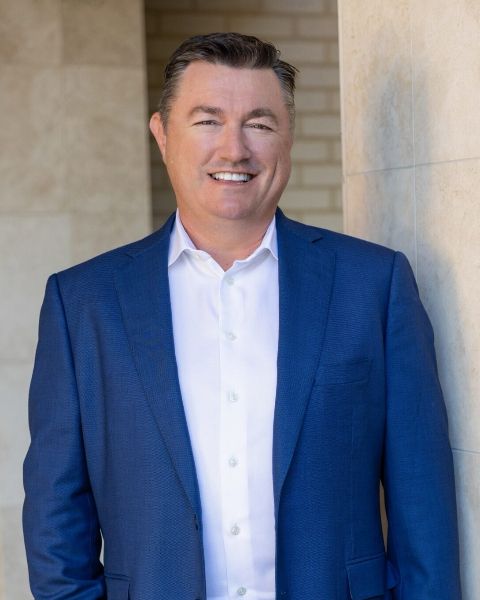
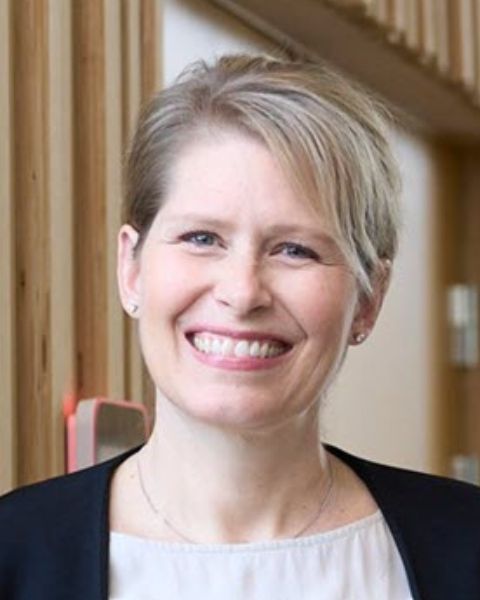
)
)
)
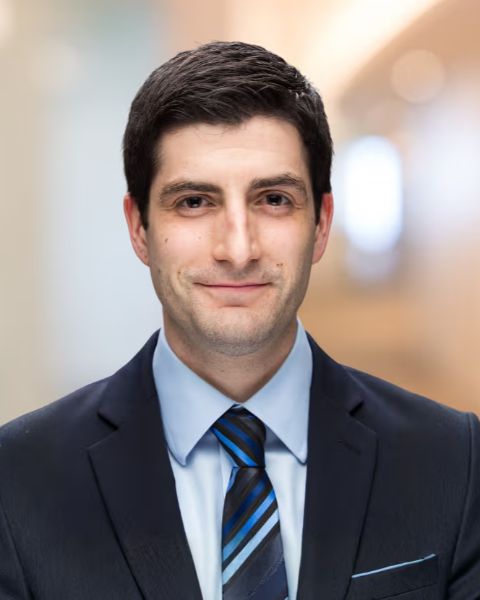
)
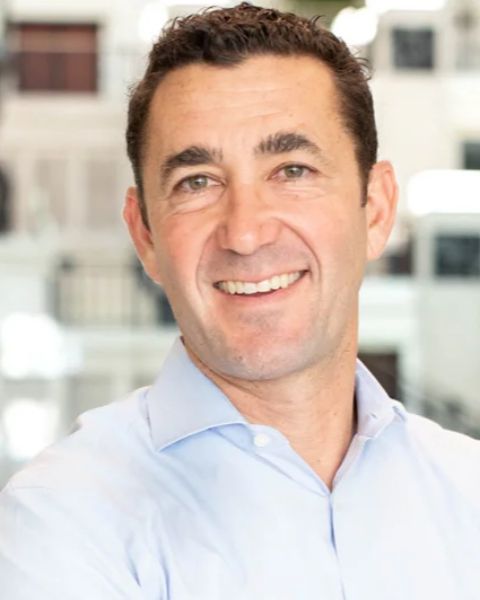

)
)
)
)
)
)
4:20 PM (PT)
-
Storytelling Stage SessionStorytelling Stage Session Storytelling Stage (Booth #3035)
-
We’re developing first-in-class oral therapeutics for food allergy, based on forward genetic discoveries that identify disease-driving targets in vivo.Start-Up Stadium Session
- Immunology
Primary Speaker
)
4:30 PM (PT)
-
 Scienta is a techbio company founded in 2021 by Camille Bouget, Vincent Bouget and Julien Duquesne to boost drug development in immunology & inflammation. Its AI platform, EVA, is the first cross-species, multimodal foundation model for I&I. EVA learns from ImmunAtlas, a proprietary database of 600K+ patient profiles and 3B+ biological data points across 30+ diseases. EVA enables target discovery, cross-species translation and patient stratification, predicting human efficacy ahead of first in human administration. It achieved state-of-the-art results across 39 immune-specific benchmarks, validated through biopharma partnerships and peer-reviewed publications. The company has raised €6.5M since its inception.Start-Up Stadium Session
- Immunology
Primary Speaker -
Company Presentation
 Gliomic is focused on providing new therapeutic options for large unmet needs in genetically-defined brain tumors. Our scientific founders, including Sam McBrayer PhD (UT Southwestern) and Bill Kaelin MD (Harvard; Nobel Prize 2019) discovered that IDH mutant brain tumors experience highly potent synthetic lethality when exposed to a DHODH inhibitor (far more potent than IDH inhibition itself). Working with experts in DHODH inhibitor development, they identified a highly potent, brain penetrant lead candidate, which shows highly selective cancer cell killing in vitro, consistent improvements in overall survival in gold standard xenograft models, and remarkable tolerability in animals. Rapid and straightforward development with 6 years to pivotal data and peak revenues estimated $3B from US alone. Unique competitive position, with composition of matter protection into the mid 2040's. Seeking Series A to fund IND and initial clinical trials.Company Presentation
-
Oncology
Primary Speaker -
-
Company Presentation
 Atom Therapeutics is privately held clinical stage Chinese biotech company founded in 2012. Atom is developing best-in-class oral small molecule drugs for treatment of inflammatory, metabolic and cardiovascular disease. Lingdolinurad (ABP-671), Atom's lead program for treatment of chronic gout is expected to be more effective and better tolerated than current gout treatments making it more suitable for chronic gout treatment. Lingdolinurad is expected to enter into global phase 3 studies in the second half of 2026. A second compound, ABP-745 is in multi-country phase 2 stage for multiple indications, including treatment of acute gout flares and atherosclerotic cardiovascular disease. Other earlier stage pipeline products include ABP-6616 for atrial fibrillation and ABP-6016 for MASH, both in preclinical stage with IND targeted in 2027.Company Presentation
- Inflammation
-
Company Presentation
 Azafaros is a company building a portfolio to become a leader in lysosomal storage disorders with the goal of addressing neurological symptoms. It is a clinical-stage company, founded in 2018 with a deep understanding of rare genetic disease mechanisms using compound discoveries made by scientists at Leiden University and Amsterdam UMC, and is led by a team of highly experienced industry experts. Azafaros aims to build a pipeline of disease-modifying therapeutics to offer new treatment options to patients and their families. By applying its knowledge, network and courage, the Azafaros team challenges traditional development pathways to rapidly bring new drugs to the rare disease patients who need them. Azafaros is supported by a syndicate of leading healthcare investors including Forbion, Jeito Capital, Seroba, Pictet Group, BioGeneration Ventures (BGV), BioMedPartners, Asahi Kasei Pharma Ventures, and Schroders Capital.Company Presentation
-
Orphan and Rare Disease
Primary Speaker -
-
Company Presentation
 Mote Therapeutics is a next-generation RNA therapeutics company focused on overcoming one of the key limitations in nucleic acid medicine: targeted delivery beyond the liver. The company’s proprietary mobilize™ platform is a modular, scalable, and chemistry-free system that enables functionalization of LNPs with cell-specific targeting capabilities, allowing efficient RNA delivery to previously inaccessible cell types and tissues. Leveraging its targeted LNP delivery platform, MOTE is advancing a pipeline of in vivo genetic medicines approaching clinical stage development. Its lead program is a CD19/BCMA dual-targeting in vivo CAR-T therapy designed to achieve safe, convenient, and deep depletion of disease-causing B cells for autoimmune indications. The company is also developing additional targeted delivery programs focused on hematopoietic stem cells (HSCs) and other difficult-to-reach cell and organ systems.Company Presentation
- Immunology
Primary Speaker
)
)
)
)
4:40 PM (PT)
-
Paldara Pharmaceuticals is a biotechnology company developing advanced bacteriophage-based therapeutics and synergistic drug delivery technologies. Its platform localizes and controls bacteriophage delivery while enabling stable transport without cold-chain requirements. Paldara targets serious bacterial infections, including drug-resistant pathogens, and collaborates with research and clinical partners to advance hydrogel formulations and clinical applications.Start-Up Stadium Session
-
Infectious Disease and Vaccines
Primary Speaker -
4:45 PM (PT)
-
Company Presentation
 Pioneering Regenerative Macrophage Therapy in Inflammatory and Fibrotic Diseases UNMET MEDICAL NEED First indication in End Stage Liver Disease (ESLD), currently in the clinic TRANSFORMATIVE TREATMENT Engineered macrophages with enhanced anti-inflammatory and anti-fibrotic efficacy ROBUST SCIENCE & CLINICAL EVIDENCE Two clinical proof of concept studies demonstrating safety and efficacy in patients with cirrhosis FOCUSED PIPELINE Efficacy demonstrated in lung fibrosis and GvHD with platform expansion into In Vivo modalityCompany Presentation
- Inflammation
Primary Speaker -
Company Presentation
 Artivila Biopharma is a leading clinical stage biotechnology company that focuses on empowering innovative drug discovery with an advanced AIDD+CADD drug discovery platform. With years of successful drug discovery experience and track record, we focus on autoimmune diseases, neurodegenerative diseases, and opportunistically cancers. Our strong innovative drug discovery capability has ensured the depth and high value of both First in Class and Best in Class project pipeline including a phase II ready asset.Company Presentation
- Multiple Therapeutics
Primary Speaker -
Company Presentation
 Constantiam Biosciences is a precision medicine company translating deep mutational scanning and machine learning into breakthrough therapies for severe genetic disorders. Leveraging our proprietary high-throughput functional genomics platforms, RareScan and MAVEvidence, we rapidly decode human genetic variation to discover and optimize targeted small molecules. Our lead pipeline asset is CB-001, a first-in-class oral pharmacological chaperone designed to cross the blood-brain barrier to treat Gaucher Disease Type 3 and GBA-associated Parkinson’s disease (GBA-PD). By stabilizing misfolded glucocerebrosidase (GBA) variants, CB-001 restores lysosomal function and addresses profound unmet needs in neurodegenerative and orphan disorders. Backed by extensive variant-effect mapping, our pipeline aims to structurally derisk precision drug development from target discovery through patient stratification.Company Presentation
-
Orphan and Rare Disease
-
-
Company Presentation
 At Crossbow Therapeutics, we develop T-cell engagers and complex biologics expanding the reach of antibody therapeutics. The majority of our pipeline consists of TCEs targeting peptide-HLA (pHLA) complexes on cancer cells. Our first program, CBX-250, is a TCE for a tumor-specific target (CG) in myeloid malignancies and is being evaluated in a Phase 1 study (NCT06994676). Our second program, CBX-663, is a TCE targeting a pHLA from telomerase, a known oncogenic driver relevant to most cancer types. The FDA accepted our IND in May ’26, with FPI projected in Q3 ‘26. Our third program, CBX-880, is a TCE targeting a pHLA from a cancer testis antigen, and has progressed to IND-enabling studies. In addition to pHLA-targeted TCEs, we have developed an PD-L1 based immunomodulatory multi-specific antibody, with both potent single-agent activity, as well as universal combination potential with other agents, including TCEs.Company Presentation
-
Oncology
-
)
)
)
4:50 PM (PT)
-
Founded in July 2020, Vacino Biotech is committed to the development of novel nucleic acid drugs and universal vaccines. With the self-developed next-generation vaccine design SED technology, we have invested in the development of COVID-19 T-cell vaccine products to solve the situation of rapid mutation of the new coronavirus variants. In addition, it has invested in the development of nucleic acid drugs for the treatment of Alzheimer's disease and a cutting-edge efficient brain delivery technology to increase the content of brain treatment drugs and prevent the occurrence of diseases at an early stage. Core products and platform technology Oral universal COVID-19 vaccine: VACINO-CO is a novel oral universal antigen vaccine designed to protect against most COVID-19 viruses and related variants. Through the activation of T cells, it can eliminate virus-infected cells, which can effectively inhibit recurrence and the phenomenon of seroconversion. The innovative and convenient oral dosage ...Start-Up Stadium Session
- Platform for Therapeutics
Primary Speaker
5:00 PM (PT)
-
Mangrove Therapeutics is developing first-in-class therapies targeting a novel RNA-mediated master regulator of inflammation, addressing a key gap in polygenic disease biology. While over 95% of patients with inflammatory conditions carry polygenic risk that is not mechanistically actionable with current therapeutic approaches, Mangrove identified a causal pathway validated by human genetics, enabling precise patient stratification and broad therapeutic impact. The company combines AI-informed genetic diagnostics with small molecule and siRNA approaches to modulate the causal pathway which mediates immune signaling and inflammation. Utilizing validated primary assays and disease mechanisms, Mangrove aims to unlock treatments across multiple high-value inflammatory indications.Start-Up Stadium Session
- Inflammation
Primary Speaker -
Company Presentation
 A-Form Solutions is a San Diego-based structural biology company helping unlock the therapeutic potential of RNA. Our proprietary scaffold-based cryo-EM platform, pioneered by our founding team, overcomes the barriers that have long kept RNA inaccessible to traditional structural methods. We can deliver high-resolution structures across a diverse range of RNA targets in weeks rather than years. In the past five months alone, we have solved over 40 novel RNA structures, an unprecedented throughput for the field, including small-molecule complexes that have directly guided medicinal chemistry. By providing atomic-resolution insight at the pace drug discovery demands, A-Form is making RNA structure-based drug design a routine capability and accelerating partner programs across small molecules, ASOs, and siRNAs.Company Presentation
- Platform for Therapeutics
-
Company Presentation
.png) Rentschler Biopharma is a global leading contract development and manufacturing organization (CDMO) focused exclusively on client projects. The company offers process development and manufacturing of biopharmaceuticals, as well as related consulting activities, project management and regulatory services. Working collaboratively with its clients, Rentschler Biopharma provides customized solutions with optimized work packages for each development stage. State-of-the-art cGMP facilities and cell culture processes allow manufacturing for both clinical studies and commercial supply. As a world-class solution provider, with over 50 years of experience in Biopharma, the company ensures optimum time-to-clinic and time-to-market by accelerating timelines to create a competitive advantage for clients. Rentschler Biopharma is family-owned with about 1,400 employees, headquartered in Laupheim, Germany, with operations in Milford, MA, USA. The company is part of the United Nations Global Compact.Company Presentation
Rentschler Biopharma is a global leading contract development and manufacturing organization (CDMO) focused exclusively on client projects. The company offers process development and manufacturing of biopharmaceuticals, as well as related consulting activities, project management and regulatory services. Working collaboratively with its clients, Rentschler Biopharma provides customized solutions with optimized work packages for each development stage. State-of-the-art cGMP facilities and cell culture processes allow manufacturing for both clinical studies and commercial supply. As a world-class solution provider, with over 50 years of experience in Biopharma, the company ensures optimum time-to-clinic and time-to-market by accelerating timelines to create a competitive advantage for clients. Rentschler Biopharma is family-owned with about 1,400 employees, headquartered in Laupheim, Germany, with operations in Milford, MA, USA. The company is part of the United Nations Global Compact.Company Presentation- Contract Manufacturing Organization
-
Company Presentation
 HB Therapeutics is a biotechnology company developing next-generation targeted protein degradation therapies for KRAS-driven cancers. The company leverages novel E3 ligase biology and molecular glue chemistry to develop multi-node co-degraders designed to simultaneously eliminate KRAS mutants and adaptive escape pathway proteins such as CRAF. HB Therapeutics’ lead programs focus on KRAS-driven solid tumors, including pancreatic, colorectal, and lung cancers. The platform integrates CRISPR-enabled ligase discovery, translational oncology models, and medicinal chemistry optimization to develop differentiated degradation strategies with the potential to address resistance mechanisms associated with current KRAS-targeting therapies. Early studies have demonstrated selective KRASmut/CRAF co-degradation, robust in vivo target engagement, and proof-of-concept anti-tumor activity.Company Presentation
-
Oncology
Primary Speaker -
)
)
)
5:15 PM (PT)
-
Company Presentation
 Tidewave Bio is an early-stage biotechnology company developing a next-generation immunotherapy platform designed to overcome the fundamental limitations of cell therapy in solid tumors. The company’s approach combines a scalable, gene-modified allogeneic, off-the-shelf dendritic cell backbone with real-time, point-of-care personalization using patient-derived tumor biopsy material. This integrated strategy is designed to address tumor heterogeneity and immune evasion while avoiding bespoke manufacturing, long lead times, and prohibitive costs. Tidewave’s platform is built as a fully integrated precision medicine system, spanning diagnostic biopsy, precision immunotherapy, and longitudinal immune monitoring, enabling relevance across the entire patient care continuum. Initially focused on solid tumors, Tidewave aims to deliver durable clinical impact through a solution that is scalable, economically sustainable, and compatible with real-world oncology workflows.Company Presentation
-
Oncology
Primary Speaker -
-
Company Presentation
 King Abdullah International Medical Research Center (KAIMRC) is a leading biomedical research institution in Saudi Arabia dedicated to advancing scientific discovery and improving public health through innovative and translational research. Its work spans key areas such as genomics, infectious diseases, oncology, and regenerative medicine, supported by advanced infrastructure and strong ethical standards. Aligned with Saudi Vision 2030, KAIMRC contributes to building a knowledge-based economy by fostering innovation, developing national talent, and expanding research capabilities. Through strategic collaborations with leading international universities and biotechnology companies, KAIMRC accelerates scientific breakthroughs and strengthens Saudi Arabia’s position in the global research landscape.Company Presentation
- Multiline Global Biopharma
-
Company Presentation
.png) LIfT BioSciences is pioneering a new class of immunotherapy for hard-to-treat cancers based on allogeneic Immuno Modulatory Alpha Neutrophils (IMANs)®. Our proprietary, long-lived IMANs harness neutrophils’ innate tumour-homing and infiltrating attributes, combined with their ability to directly kill cancer cells and safely orchestrate broader immune responses, offering a powerful and antigen-agnostic treatment option to overcome cancer resistance mechanisms, like suppressive tumour environment and immune evasion.Company Presentation
LIfT BioSciences is pioneering a new class of immunotherapy for hard-to-treat cancers based on allogeneic Immuno Modulatory Alpha Neutrophils (IMANs)®. Our proprietary, long-lived IMANs harness neutrophils’ innate tumour-homing and infiltrating attributes, combined with their ability to directly kill cancer cells and safely orchestrate broader immune responses, offering a powerful and antigen-agnostic treatment option to overcome cancer resistance mechanisms, like suppressive tumour environment and immune evasion.Company Presentation- Immunology
Primary Speaker -
Company Presentation
 BioMendics is a clinical-stage biotechnology company developing first-in-class therapies for rare genetic skin disorders characterized by protein aggregation, epithelial fragility, and chronic inflammation, including epidermolysis bullosa simplex (EBS). Its lead candidate, TolaSure® (BM-3103), is a novel non-rapalog topical small-molecule mTOR pathway modulator designed to address both pathogenic protein aggregation and inflammatory signaling. In a Phase I/IIa study in Epidermolysis Bullosa Simplex (EBS), TolaSure demonstrated a 94% reduction in skin blistering, shortened flare duration, and restoration of keratin filament organization. The program has received Orphan Drug Designation and Rare Pediatric Disease Designation and is currently being evaluated in the Phase II TAMES-02 trial at Stanford University and Northwestern University. BioMendics is seeking strategic partners and investors to advance its platform across EB and other monogenic keratin disorders.Company Presentation
-
Orphan and Rare Disease
Primary Speaker -
)
)
)
9:00 AM (PT)
-
Gary Sinise, Actor-Humanitarian, and Founder of Gary Sinise Foundation, will be on the Main Stage on June 23, during "Driven by Purpose: Gary Sinise on Acting, Service, and Advocacy." In this featured program, Sinise will discuss how his work on stage and screen has inspired his service, philanthropy, and advocacy. His commitment to supporting veterans and first responders demonstrates how art can drive action and change lives.Featured Program
-
Special Program
-
-
The opening program spotlights leaders at the intersection of science, technology, and purpose, highlighting the innovations and human stories driving the next era of biotechnology. Program highlights: State of the Industry address from BIO’s President & CEO, John F. Crowley Announcement of The Biotechnology Heritage Award Winner A Fireside Chat drawing on lessons in leadership, teamwork, and resilience with Marcus Freeman, Head Coach of the Football team at the University of Notre Dame A Welcome from Rye BarcottFeatured Program Main Stage
)
)
)
)
.png/fit-in/120x9999/filters:no_upscale())
10:00 AM (PT)
-
BioProcess International TheatreBioProcess International Theatre BioProcess Theatre
-
BioProcess Session BioProcess Theatre
-
Whether emerging or mature, branded, specialty or generic, Life Sciences manufacturers that have enabled Integrated Planning and Gross-to-Net analytical capabilities are more successful in meeting the ...BioProcess Session BioProcess Theatre
-
As biologics programs approach Phase III and BLA submission, manufacturing decisions become strategic inflection points. Commercial geography, inspection exposure, and infrastructure resilience now di ...BioProcess Session BioProcess Theatre
-
BioProcess Session BioProcess Theatre
-
CDMO Capacity and Client Partnership Panel • How do you ensure your capacity planning aligns with actual client requirements rather than assumptions? • How do you balance multiple clients competing fo ...BioProcess Session BioProcess Theatre
-
BioProcess Session BioProcess Theatre
-
BioProcess Session BioProcess Theatre
-
-
BioProcess Session BioProcess Theatre
)
.jpg/fit-in/120x9999/filters:no_upscale())
)
)
)
)


)
)
10:15 AM (PT)
-
Whether emerging or mature, branded, specialty or generic, Life Sciences manufacturers that have enabled Integrated Planning and Gross-to-Net analytical capabilities are more successful in meeting their market access objectives and optimizing their operations. Join Argano’s Pharosity Consulting team as they discuss real-world examples, enablement approaches for manufacturers in different situations, and the light-bulb moments when the benefits are fully realized. The team will also discuss the tools available for manufacturers large and small, and how to begin or enhance your journey to implementation.BioProcess Session BioProcess Theatre
10:30 AM (PT)
-
Company PresentationsCompany Presentations will take place in Theaters on the Exhibition Floor. Watch here for the detailed schedule, to be released in May. Find Presenting Companies in the Partnering system by filtering by the "Presenting Company" tag.Company Presentation Session
- AI and Digital Health
- Brain Health
- Cardiovascular
- Cell and Gene Therapy and Genome Editing
- Dermatology
- Diagnostics and Personalized Medicine
- Infectious Disease and Vaccines
- Inflammation
- Medical Devices
- Metabolic Diseases
- Multiline Global Biopharma
- Multiple Therapeutics
- Oncology
- Ophthalmology
- Other
- Reproductive/Sexual Health
10:30 AM-
- Multiple Therapeutics
Theater 1 -
- Cell and Gene Therapy and Genome Editing
Theater 3 -
- Brain Health
Theater 4
10:45 AM-
- Multiple Therapeutics
Theater 1 -
- Cell and Gene Therapy and Genome Editing
Theater 3 -
- Brain Health
Theater 4
11:00 AM-
- Diagnostics and Personalized Medicine
Theater 1 -
- Cell and Gene Therapy and Genome Editing
Theater 3 -
- Brain Health
Theater 4
11:15 AM-
- Diagnostics and Personalized Medicine
Theater 1 -
- Cell and Gene Therapy and Genome Editing
Theater 3 -
- Brain Health
Theater 4
11:30 AM-
- Diagnostics and Personalized Medicine
Theater 1 -
- Multiple Therapeutics
Theater 2 -
- Cell and Gene Therapy and Genome Editing
Theater 3 -
- Brain Health
Theater 4
11:45 AM-
- Diagnostics and Personalized Medicine
Theater 1 -
- Cell and Gene Therapy and Genome Editing
Theater 3 -
- Brain Health
Theater 4
12:00 PM-
- Cardiovascular
Theater 1 -
- Multiple Therapeutics
Theater 2 -
- Ophthalmology
Theater 3 -
- Other
Theater 4
12:15 PM-
- Inflammation
Theater 1 -
- Metabolic Diseases
Theater 2 -
- Multiple Therapeutics
Theater 3 -
- Other
Theater 4
1:45 PM-
- AI and Digital Health
Theater 1 -
- Multiple Therapeutics
Theater 2 -
- Oncology
Theater 3 -
- Infectious Disease and Vaccines
Theater 4
2:00 PM-
- AI and Digital Health
Theater 1 -
- Multiple Therapeutics
Theater 2 -
- Oncology
Theater 3 -
- Infectious Disease and Vaccines
Theater 4
2:15 PM-
- Medical Devices
Theater 1 -
- Multiple Therapeutics
Theater 2 -
- Oncology
Theater 3 -
- Infectious Disease and Vaccines
Theater 4
2:30 PM-
- AI and Digital Health
Theater 1 -
- Multiline Global Biopharma
Theater 2 -
- Oncology
Theater 3 -
- Infectious Disease and Vaccines
Theater 4
2:45 PM-
- Other
Theater 1 -
- Multiple Therapeutics
Theater 2 -
- Oncology
Theater 3 -
- Infectious Disease and Vaccines
Theater 4
3:00 PM-
- Multiple Therapeutics
Theater 1 -
- Oncology
Theater 3 -
- Multiple Therapeutics
Theater 4
3:15 PM-
- Diagnostics and Personalized Medicine
Theater 1 -
- Oncology
Theater 3 -
- Reproductive/Sexual Health
Theater 4
3:30 PM-
- Brain Health
Theater 1 -
- Oncology
Theater 3 -
- Reproductive/Sexual Health
Theater 4
3:45 PM-
- Multiple Therapeutics
Theater 1 -
- Oncology
Theater 3 -
- Multiline Global Biopharma
Theater 4
4:00 PM-
- Dermatology
Theater 1 -
- Oncology
Theater 3 -
- Oncology
Theater 4
4:15 PM-
- Dermatology
Theater 1 -
- Oncology
Theater 3 -
- Oncology
Theater 4
4:30 PM-
- Dermatology
Theater 1 -
- Oncology
Theater 3 -
- Infectious Disease and Vaccines
Theater 4
4:45 PM-
- Dermatology
Theater 1 -
- Oncology
Theater 3 -
- Cell and Gene Therapy and Genome Editing
Theater 4
-
-
Join us for Regional Presentations.Global Innovation Hub 5A
-
 Choose Québec, a thriving environment for precision medicine Québec is a major hub for health biotech, fostering precision medicine innovation. Global leaders like Abbott, GSK, Medicago, Merck, Moderna, Novartis, and Sandoz operate here. The province offers affordable infrastructure, dedicated life sciences hubs, and low operating costs. Government support includes tax credits and investment funds. With 30,000 students in life sciences and 7,600 graduates yearly, Québec has a strong talent pool. Top universities excel in AI, bioinformatics, genomics, and immuno-oncology. The province also leads in biomarkers, diagnostics, gene therapy, and cell therapy. Cutting-edge research infrastructure strengthens its precision medicine ecosystem.Global Innovation Hub Session 5A
 -
 Seoul: Asia’s Strategic Bio & Clinical Innovation Hub Seoul is an emerging bio hub where clinical development, R&D, capital, and advanced manufacturing converge. The city hosts a dense ecosystem of over 1,200 biotech and life sciences companies, leading universities, and world-class hospitals, enabling strong collaboration and open innovation. With near-universal healthcare coverage, Seoul provides access to large-scale real-world data, supporting fast and efficient clinical research. Korea consistently ranks among the top countries globally in clinical trial activity, positioning Seoul as a leading clinical hub in Asia. Together, this integrated ecosystem makes Seoul a strategic gateway for biotech innovation and expansion across the Asia-Pacific region.Global Innovation Hub Session 5A
 -
.png) Sweden’s life science industry is a globally competitive and innovation-driven sector, spanning pharmaceuticals, biotechnology, medical technology, and digital health. Built on a strong foundation of academic excellence and public-private collaboration, the ecosystem connects leading universities, research institutes, healthcare providers, and companies of all sizes. Key hubs such as Stockholm-Uppsala, Gothenburg, and Medicon Valley foster entrepreneurship and attract international investment. With a focus on precision medicine, sustainability, and patient-centered care, Sweden continues to play a significant role in advancing global health.Global Innovation Hub Session 5A
Sweden’s life science industry is a globally competitive and innovation-driven sector, spanning pharmaceuticals, biotechnology, medical technology, and digital health. Built on a strong foundation of academic excellence and public-private collaboration, the ecosystem connects leading universities, research institutes, healthcare providers, and companies of all sizes. Key hubs such as Stockholm-Uppsala, Gothenburg, and Medicon Valley foster entrepreneurship and attract international investment. With a focus on precision medicine, sustainability, and patient-centered care, Sweden continues to play a significant role in advancing global health.Global Innovation Hub Session 5A -
 Catalonia is a a Top European Hub in Scientific Excellence and R&D, ranking #1 in Horizon projects per capita and #4 in ERC grants, with the highest share of Highly Cited Papers. Its BioRegion hosts 1,650 companies, 94 research centres and 17 of the world’s top 20 pharma/medtech multinationals, and is Spain’s main pharmaceutical manufacturing hub with 79 plants. It is #7 worldwide and #4 in Europe in active clinical trials, participating in 92% of Spain’s studies, supported by hospitals excelling in advanced therapies and early‑phase research. In 2025, investment reached a record €517M, with 82% international VC, driven largely by biotech. Catalonia also offers exceptional talent, producing 26,000 STEM graduates annually, employing 18,500 researchers, and attracting 30+ new digital and health innovation hubs, including AstraZeneca’s €1.3B Global Hub in Barcelona, a major boost to the region’s innovation capacity.Global Innovation Hub Session 5A
 -
France Biotech was founded in 1997 as an independent association, uniting the country’s leading innovative health companies and their expert partners. As a key facilitator of the health innovation ecosystem and a privileged point-of-contact for public authorities in France and Europe, France Biotech helps address the major challenges facing the HealthTech sector (including company financing, taxation, regulatory and market access issues, etc.). Its committees and working groups strive to identify viable solutions to create the necessary conditions for a competitive and attractive industry. Its objective is to support HealthTech startups and SMEs in becoming successful international companies capable of designing and developing innovative products and solutions rapidly and ultimately making them accessible to patients. France Biotech is the French equivalent of the US BIO (Biotechnology Innovation Organization). Lyonbiopôle is the health innovation cluster of the Auvergne-Rhône-Alpes region. It connects and supports industrial companies, SMEs, academic institutions, and healthcare stakeholders in the development of innovative solutions in biotech, medtech, and digital health. As a member of the national alliance of health clusters, Enosis Santé, Lyonbiopôle gives you access to some of the most dynamic health ecosystems and networks in France. Whether you work in oncology, neurology, or infectious diseases, or whether you are developing or manufacturing an ATMP, France offers high-level networks to help accelerate your innovation.Global Innovation Hub Session 5A
-
 Queensland, Australia is a rapidly growing biomedical innovation hub and a strategic gateway to the Asia-Pacific region. Anchored by world-class research institutes, hospitals, and industry, the state delivers end-to-end capability from discovery to global impact: home to breakthroughs such as the Gardasil vaccine and innovations like The University of Queensland’s molecular clamp technology, now being advanced globally by companies such as ViceBio/Sanofi. Queensland features dedicated innovation hubs, advanced biomanufacturing infrastructure, and a globally competitive clinical trials environment. With strong collaboration, cost advantages, and access to diverse patient populations, it offers an ideal platform for developing and scaling biomedical innovations for global markets.Global Innovation Hub Session 5A
 -
The Japan External Trade Organization (JETRO), together with the Ministry of Economy, Trade and Industry (METI) will present Japan’s comprehensive growth strategy, focusing on the future vision and development of the biopharmaceutical sector. This presentation will highlight Japan’s ongoing efforts in drug discovery, with a particular emphasis on fostering and supporting innovative startup ventures within the pharmaceutical industry, aiming to strengthen the country’s position in the global healthcare market. This presentation highlights why global companies partner with Japan and how JETRO can support market entry, business partnerships, and investment opportunities.Global Innovation Hub Session
- Other
-
 Taiwan has targeted precision health, advanced manufacture, and digital health as its key elements for biomedical industry development. Besides a well-established infrastructure and various unique biomedical clusters, the government has launched regulations to promote new sectors of biomedical industry, such as cell therapies, digital health, and CDMO. This presentation will update the progress for the biomedical ecosystem in Taiwan, including incentives for advancing together with Taiwanese partners.Global Innovation Hub Session 5A
 -
 The Department for Business and Trade (DBT) is the UK Government department responsible for growing the economy through trade, investment, and business growth. DBT champions the UK as a leading global destination for life sciences innovation and investment. Working across government, industry, and the NHS, the department supports international companies looking to establish or expand operations in the UK, across R&D, clinical trials, manufacturing, and commercialization.Global Innovation Hub Session
- Non-Profit/Patient Advocacy Group
-
-
 We will present an update from the Global Innovation Hub Switzerland including general trends in financing, partnering and international collaborations, and opportunities to liaise with the > 1500 Swiss biotech companies.Global Innovation Hub Session 5A
 -
 The Netherlands offers a highly collaborative and innovation-driven Life Sciences & Health (LSH) ecosystem, positioning itself as a leading gateway to Europe’s Life Sciences & Health Metropolis. This presentation provides an overview of the Dutch LSH landscape, highlighting strong public-private partnerships, world-class research infrastructure, and a supportive regulatory and funding environment. With a dense network of innovative companies, top-tier knowledge institutions, and strategic government support, the Netherlands enables rapid translation from research to market. Attendees will gain insights into key strengths such as integrated health data systems, clinical trial readiness, and a focus on value-based healthcare. The session also explores opportunities for international collaboration, investment, and market entry, showcasing why the Netherlands is an attractive partner for global LSH stakeholders.Global Innovation Hub Session 5A
 -
 The Government of the State of Mexico will present its value proposition as a strategic hub for life sciences, highlighting its capabilities in pharmaceutical manufacturing, research, clinical development and investment attraction. As part of the MEXBIO Pavilion at BIO International Convention 2026, this presentation will showcase the State’s role in strengthening Mexico’s position within the global biotechnology ecosystem, aligned with national priorities such as Plan México. With a strong industrial base, skilled talent and proximity to one of the world’s largest healthcare markets, the State of Mexico offers opportunities for international collaboration across R&D, manufacturing and market access. The session aims to connect global partners with regional opportunities, fostering investment, innovation and cross-border partnerships in life sciences.Global Innovation Hub Session 5A
 -
 The CEO of the Andhra Pradesh Economic Development Board will present the state’s vision to emerge as a leading biomanufacturing hub in India. The session will highlight Andhra Pradesh’s rapidly evolving bioecosystem, with a focus on Visakhapatnam as a key growth centre supported by strong infrastructure, talent availability, and industry presence. The presentation will outline major upcoming initiatives, including the development of a Biotechnology Park and a state-of-the-art Quantum BioFoundry aimed at enabling next-generation bio-innovation and scale-up. It will also cover the state’s proactive policy framework designed to attract global investments, foster industry–academia collaboration, and support advanced biomanufacturing. Aligned with the Government of India’s BioE3 policy, Andhra Pradesh is positioning itself as a competitive destination for global life sciences companies seeking integrated ecosystems for research, development, and manufacturing.Global Innovation Hub Session 5A
 -
 The Department of Health – Abu Dhabi (DoH) is the regulator and strategic lead for Abu Dhabi's healthcare life-science (HLS) sector, and the stratgic lead of the HELM Cluster (an integrated platform spanning genomics, digital health, advanced therapies, clinical trials, and biomanufacturing). Abu Dhabi offers global partners a sovereign-backed environment combining the world's largest genomics program (900K+ genomes), nationally connected health data, accelerated regulatory pathways (8–15 day clinical trial approvals), strategic capital commitments to biotech infrastructure, and targeted incentive packages for R&D, manufacturing, and commercialization. Positioned as a neutral, competitive destination at the frontier of bioconvergence where genomics, AI, and clinical delivery converge at scale. Abu Dhabi is building the next global hub for healthcare life-science innovation and growth.Global Innovation Hub Session
- Non-Profit/Patient Advocacy Group
-
-
-
Company Presentation
 AgenT is a French company developing blood-based multiomic solutions to transform how neurodegenerative diseases are diagnosed, monitored, and treated. With an initial focus on Alzheimer’s disease, AgenT combines targeted proteomics, metabolomics, and AI to move beyond single-biomarker approaches and capture disease biology, progression risk, and treatment-relevant pathways. AgenT’s first product, HORIZON™, uses proprietary targeted mass spectrometry methods to quantify 85 proteins and metabolites and monitor 8 pathways involved in neurodegeneration. Designed for pharma and biotech partners, HORIZON supports patient stratification, pathway monitoring, treatment-response assessment, and clinical-trial decisions, alone or alongside amyloid and tau biomarkers. Building on HORIZON™, AgenT is developing B-HEALED™ and B-AHEAD™, two predictive algorithms designed to identify individuals aged 55+ likely to progress to Alzheimer’s dementia symptoms from MCI or cognitively healthy status.Company Presentation
-
Brain Health
Primary Speaker -
-
Company Presentation
 Knoa Pharma is a public health–focused pharmaceutical company dedicated to developing innovative, small molecule therapeutics that address significant unmet medical needs. We also seek to expand access to lifesaving opioid overdose reversal medications and affordable treatment for opioid use disorder at no profit. We have a promising pipeline of novel compounds currently in clinical trials across multiple therapeutic areas. Sunobinop, an orally active nociceptin agonist, is being investigated in CNS disorders such as insomnia and alcohol use disorder, as well as the urologic conditions overactive bladder and interstitial cystitis. In oncology, Knoa is advancing tinostamustine, a dual acting DNA alkylator and pan-HDAC inhibitor designed to treat highly challenging diseases, including glioblastoma and a hematological and solid tumors. Tinostamustine was recently granted Orphan Drug status for the treatment of gliomas and has begun enrolling patients in the Phase 2/3 GBM AGILE trial.Company Presentation
- Multiple Therapeutics
-
Company Presentation
 RESTEM is a leading clinical-stage biotechnology company focused on developing off-the-shelf, next-generation cell therapies for autoimmune, inflammatory, and age-related diseases. Leveraging proprietary products, deep clinical expertise, and advanced manufacturing capabilities, RESTEM is advancing two potentially transformative programs, Restem-L, our umbilical cord lining progenitor cells (UMPCs) therapy for autoimmune diseases, and activated natural killer cell (aNK) therapeutics targeting senescence and age-associated disorders. Our therapies are designed to reprogram the immune system rather than focusing solely on symptom management, offering patients with limited options the potential to address underlying disease mechanisms. RESTEM is headquartered in Miami, Florida.Company Presentation
-
Cell and Gene Therapy and Genome Editing
-
)
)
)
10:40 AM (PT)
)
10:45 AM (PT)
-
As biologics programs approach Phase III and BLA submission, manufacturing decisions become strategic inflection points. Commercial geography, inspection exposure, and infrastructure resilience now directly influence launch timing and long-term supply continuity. This session explores how sponsors can structure scale-up, engineering batches, and tech transfer within commercial-intent systems to reduce switching risk and prevent late-stage disruption. Drawing on real-world expansion and operational design considerations, the discussion highlights how disciplined scale-up strategy and U.S.-anchored manufacturing can serve as controlled bridges from development through PPQ and commercial launch.BioProcess Session BioProcess Theatre
-
Choose Québec, a thriving environment for precision medicine Québec is a major hub for health biotech, fostering precision medicine innovation. Global leaders like Abbott, GSK, Medicago, Merck, Moderna, Novartis, and Sandoz operate here. The province offers affordable infrastructure, dedicated life sciences hubs, and low operating costs. Government support includes tax credits and investment funds. With 30,000 students in life sciences and 7,600 graduates yearly, Québec has a strong talent pool. Top universities excel in AI, bioinformatics, genomics, and immuno-oncology. The province also leads in biomarkers, diagnostics, gene therapy, and cell therapy. Cutting-edge research infrastructure strengthens its precision medicine ecosystem.Global Innovation Hub Session 5APrimary Speaker
-
Company Presentation
 AviadoBio is on a mission to relentlessly chase cures by developing and translating groundbreaking science and precision delivery into life-changing medicines across neurodegenerative diseases. Built on deep neuroscience expertise, AviadoBio is developing targeted, one-time gene therapies to precisely deliver genetic medicines to disease-relevant cells and pathways within the nervous system, restoring function and hope through advanced science. Our proprietary platforms, including intrathalamic and vMiX™ RNA silencing system, plus expertise in intravitreal, and blood-brain barrier (BBB)-penetrant delivery approaches, enable precise, durable therapeutic expression across complex neural systems such as the brain and retina. AviadoBio’s clinical and preclinical pipeline spans frontotemporal dementia (FTD), amyotrophic lateral sclerosis (ALS), inherited retinal diseases, and tauopathies, including Alzheimer’s disease.Company Presentation
-
Cell and Gene Therapy and Genome Editing
Primary Speaker -
-
Company Presentation
 NanoSyrinx is a discovery-stage synthetic biology company specialising in the intracellular delivery of protein therapeutics using our nano-scale, cell-specific delivery technology - the Nanosyringe. We can package a wide range of payloads, from short peptides to large enzymes, into Nanosyringes then deliver these into target cells with antibody-equivalent specificity. This allows us to tackle intracellular targets which are challenging to drug using other approaches. NanoSyrinx has raised >$20M to date and is backed by a consortium of top tier investors, including M Ventures, Eli Lilly, BGF and Octopus Ventures.Company Presentation
- Multiple Therapeutics
Primary Speaker -
Company Presentation
 Montara Therapeutics is a San Francisco-based precision medicine neuroscience biotech developing safer, more efficacious therapies for patients with neurological diseases. Many promising brain drug candidates fail due to serious side effects outside the brain. Our BrainOnly™ platform solves this by pairing a brain-targeted treatment with a "blocker" drug that confines therapeutic activity to the brain, enhancing safety, expanding therapeutic index, and unlocking previously inaccessible targets. The science originated in Kevan Shokat's lab at UCSF. Our lead program targets Tuberous Sclerosis Complex with an IND filing targeted for Q1 2027. Our second program targets Parkinson's disease via our BrainTAC™ technology, supported by the Michael J. Fox Foundation. With broad CNS applicability, BrainOnly™ holds the potential to deliver a new generation of brain-targeted therapeutics. Montara has raised $28M from Two Bear Capital, the Dementia Discovery Fund, KdT Ventures, and others.Company Presentation
-
Brain Health
Primary Speaker -
)
)
)
)
11:00 AM (PT)
-
Healthcare providers are often faced with the same set of challenges when diagnosing women with Alzheimer’s – debunking the stigma that has shaped the Alzheimer’s narrative for women and their families and removing the shame and misunderstanding so the disease can be diagnosed earlier. Oftentimes, these challenges lead to gaps in communication between women and their providers about memory, cognition, and brain health as well as provide obstacles for women in accessing screenings, care pathways, and clinical trials. This session looks to change the narrative and create change so that Alzheimer’s diagnoses in women can become a public health priority. Panelists will include a clinical expert, a researcher, a patient advocate, an industry innovator, and a policy leader as they look to flip the script from despair to empowerment and help redefine what it means to live with and prevent Alzheimer’s in women.Breakout Session
-
Patient Advocacy
Speakers -
-
The next evolution of AI in biopharma is already here - systems designed not just to analyze data but to make decisions. These “agentic AI” models can set goals, adapt strategies, and generate hypotheses with a degree of autonomy that could reshape discovery and development. What is at stake is more than efficiency - it is a shift in perception. AI is no longer only a supportive tool but is beginning to be viewed as a potential teammate in scientific problem solving. The central question is whether these systems can be trusted to shape strategy. This panel will examine what standards of evidence are required before industry relies on autonomous input in hypothesis generation and experimental design, what safeguards are needed to ensure reliability and transparency, and how much human oversight will remain essential. Just as importantly, it will address how organizations will need to adapt their structures and mindsets if AI is to be treated as a collaborator rather than a calculator. A ...Breakout Session
-
AI and Digital Health
ModeratorSpeakers -
-
The life sciences industry is built on innovation and driven by purpose. As competing for talent and earning public trust become critical business drivers, leading life sciences companies are investing beyond the lab to strengthen the communities where they operate. This session explores how strategic partnerships with nonprofits and community organizations are addressing urgent social challenges while strengthening talent pipelines, employee engagement, and corporate reputation. Speakers will share actionable strategies for designing meaningful partnerships, aligning internal culture with external impact, and evaluating outcomes. Attendees will gain practical insights and real-world examples for designing community investments that deliver measurable value for both business and society.Breakout Session
-
Workforce, Health Equity, and Leadership
-
-
As the next wave of patent cliffs loom, the pressure is on pharma to secure late-stage assets that deliver near-term value. Meanwhile, biotech leaders are navigating tighter capital markets and evolving deal structures, where milestone-heavy agreements delay returns and shift risk downstream. Join industry leaders as they share insights and advice on future-proofing partnerships in today’s complex, ever-changing landscape. Participants will learn what best-practice looks like when balancing value, risk-sharing and long-term asset potential, and how to harness complementary capabilities – scientific, operational, and commercial – to strengthen asset performance and drive better outcomes for patients.Breakout Session
-
Business Development and Investment
ModeratorSpeakers -
-
As major patent expirations loom, pricing pressures intensify and R&D productivity comes under strain, large pharmaceutical companies are accelerating dealmaking to fill therapeutic and clinical-stage gaps. From early discovery to late-stage clinical assets, the hunt for differentiated science has become more competitive. What are big pharma companies really looking for — and how can emerging biotechs align their science and timing to meet those needs? This session will explore where collaboration is fruitful across various therapeutic areas and stages of R&D, and what kinds of partnerships, licensing deals and acquisitions are most likely to define the next phase of biopharma innovation.Breakout Session
-
Business Development and Investment
ModeratorSpeakers -
-
This session will explore the critical journey of translating a scientific concept into a viable CNS therapeutic. Industry leaders will discuss the primary challenges and emerging solutions in neuroscience drug development, from initial discoveries to clinical application. Key topics to be discussed include developing disease models with translational relevance, identifying and validating causal therapeutic targets, leveraging biomarkers for patient stratification and defining meaningful trial endpoints, and innovating safe and efficient methods for drug delivery across the blood-brain barrier. Attendees will gain a comprehensive understanding of the current and emerging therapeutic landscape and future directions in bringing novel treatments to patients with neurological disorders.Breakout Session
-
Brain Health
ModeratorSpeakers -
-
Europe is actively working to improve the clinical research environment, with particular emphasis on supporting biotechnology innovation and adapting to evolving scientific and societal needs. As new legislative initiatives such as the Biotech Act take shape, there is a growing focus on creating a more responsive and inclusive framework for clinical trials. This session brings together patients, regulators, and clinical trials’ sponsors to explore how the European Medicines Regulatory Network (EMRN) addresses these priorities. A central theme will be the importance of transparency and accountability, underscored by the recent introduction of EU-wide Key Performance Indicators (KPIs). The discussion will expand on the upcoming Clinical Research Investment Plan, to be launched under the European Commission’s flagship Life Science Strategy, as well as FDA’s efforts to support innovation in clinical research in the US. Participants will gain a clearer understanding of how clinical trial co ...Breakout Session
-
Science and Regulatory Innovation
ModeratorSpeakers -
-
Messenger RNA (mRNA) medicines are increasingly recognized for their transformative power to improve patient health, as well as a strategic asset with implications for national and global security. The flexibility, speed, and scalability of mRNA therapeutics make them uniquely suited for rapid response to emerging threats - whether natural, accidental, or hostile. As such, governments should evaluate how mRNA fits into broader biodefense, pandemic preparedness, and supply chain resilience strategies. This panel will explore the intersection of mRNA innovation and national security, with perspectives from leaders in industry, government, and policy. Topics to be discussed will include the role of mRNA in future pandemic response, countermeasures for biological threats, and strategies for securing domestic manufacturing capacity. The discussion will also address the importance of global cooperation and the risk of falling behind strategic competitors in a field vital to public health and ...Breakout Session
-
Infectious Disease and Vaccines
-
-
Kickstart your journey in biotechnology by exploring the industry’s vast landscape and discovering where your skills and interests can make an impact. Experts will provide an overview of biotech across sectors and share real-world experiences from the field, showcasing how their work is driven by people pushing boundaries, tackling the impossible, and improving outcomes for patients, public health, and the world.Breakout Session
-
Special Program
-
-
Storytelling StageThe BIO Storytelling Stage is a showcase of the heart of BIO's priorities—sharing the stories of the biotechnology industry that show who we are, who we serve, what we do, and why we do it. You'll hear inspiring stories from researchers on the newest biotech advancements, perspectives from patients and caregivers on how biotech has affected their lives, and insights from company founders on their relentless pursuit to make the world a better place.Storytelling Stage Storytelling Stage - Booth 3035Sponsored by:
-
Storytelling Stage SessionStorytelling Stage Session Storytelling Stage (Booth #3035)
-
Storytelling Stage SessionJeff Winton, Founder and Chairman of Rural Minds, will discuss the growing mental health crisis among rural youth in America and what his organization is doing to address it. Jeff grew up on a dairy f ...Storytelling Stage Session Storytelling Stage (Booth #3035)
-
Storytelling Stage SessionStorytelling Stage Session Storytelling Stage (Booth #3035)
-
Storytelling Stage SessionStorytelling Stage Session Storytelling Stage (Booth #3035)
-
Storytelling Stage SessionStorytelling Stage Session Storytelling Stage (Booth #3035)
-
Storytelling Stage SessionStorytelling Stage Session Storytelling Stage (Booth #3035)
-
Storytelling Stage SessionStorytelling Stage Session Storytelling Stage (Booth #3035)
-
Storytelling Stage SessionStorytelling Stage Session Storytelling Stage (Booth #3035)
-
Storytelling Stage SessionStorytelling Stage Session Storytelling Stage (Booth #3035)
-
Storytelling Stage SessionStorytelling Stage Session Storytelling Stage (Booth #3035)
-
Storytelling Stage SessionStorytelling Stage Session Storytelling Stage (Booth #3035)
-
-
AI has generated substantial interest across the life sciences industry, yet its practical adoption in commercial forecasting and early asset assessments remains limited. Many organizations continue to rely on established models, largely manual workflows, and experience-based assumptions—even as more advanced analytical capabilities become increasingly accessible. The gap is particularly pronounced within the Business Development and Licensing (BD&L) segment, where forecasts directly influence high-value investment, partnership, and portfolio decisions. While AI has the potential to improve rigor, consistency, and scalability in these evaluations, its integration into BD&L decision-making has been modest at best. This raises a critical question: is the constraint one of capability, or of confidence? Are current AI-driven approaches not fit for real-world, high-stakes decisions—or are organizations hesitant to rely on them when outcomes materially impact capital allocation and corporate ...Breakout Session
-
Business Development and Investment
Sponsored by: Speakers
 -
-
Start-Up Stadium 5BWe're sorry, but we couldn't find any results that match your search criteria. Please try again with different keywords or filters.Loading
-
 Chiromesh Therapeutics is a biotechnology company developing innovative solutions for localized, sustained drug delivery in solid tumors. The company’s lead platform, μMESH, is a conformable, micro-st ...Start-Up Stadium Session
- Oncology
-
-
 Palo Alto Immunotherapeutics (PAI) is developing advanced immunotherapies for the treatment of cancer. Cancer vaccines have centered around identifying mutant proteins as the target with little regard ...Start-Up Stadium Session
- Oncology
-
-
 Montani Bio is a WV-based vaccines and therapeutics company focused on the expansion of the mRNA platform into new areas of disease. The company spun out of the Vaccine Development Center at West Virg ...Start-Up Stadium Session
- Oncology
-
-
 Sift is a preclinical-stage biotechnology company using AI and high-throughput T-cell screening to develop peptide immunotherapies for cancer and autoimmune disease. Founded in 2024 as a UC Berkeley s ...Start-Up Stadium Session
- Oncology
-
-
 TippingPoint Biosciences is building the first scalable platform to model disease-specific epigenetic states and systematically discover small molecules that selectively kill cells driven by inappropr ...Start-Up Stadium Session
- Oncology
-
-
 Ypsilon Therapeutics is expanding the reach of antibody therapeutics. Ypsilon is advancing a new class of cancer therapies with TCR mimics (TCRm), designed to address unmet needs in solid tumors. TCRm ...Start-Up Stadium Session
- Oncology
-
-
 Apmonia Therapeutics is a clinical-stage biotechnology company developing first-in-class peptide therapeutics targeting extracellular matrix signaling and the tumor microenvironment. Our lead program, ...Start-Up Stadium Session
- Oncology
-
-
 CNCure Co., Ltd. is a South Korea–based biotechnology company headquartered in Hwasun-gun, Jeonnam, focusing on cancer theranostics that combine therapy and diagnostics for precision medicine. The com ...Start-Up Stadium Session
- Oncology
-
-
-
Seoul: Asia’s Strategic Bio & Clinical Innovation Hub Seoul is an emerging bio hub where clinical development, R&D, capital, and advanced manufacturing converge. The city hosts a dense ecosystem of over 1,200 biotech and life sciences companies, leading universities, and world-class hospitals, enabling strong collaboration and open innovation. With near-universal healthcare coverage, Seoul provides access to large-scale real-world data, supporting fast and efficient clinical research. Korea consistently ranks among the top countries globally in clinical trial activity, positioning Seoul as a leading clinical hub in Asia. Together, this integrated ecosystem makes Seoul a strategic gateway for biotech innovation and expansion across the Asia-Pacific region.Global Innovation Hub Session 5APrimary Speaker
-
Company Presentation
 Ever since the first anticancer drugs were discovered combination therapies were in the focus of attention because very few single drugs carry the potential to fundamentally change the trajectory of cancer. However, the rational design of drug combinations remains a challenge which leads to tumor resistance. KYAN has developed Optim.AI™, a functional precision medicine platform that combines small data AI with biological experiments to analyze the functional response of drug-dose combinations. With limited live cancer cells, Optim.AI™ identifies over 500k drug-dose combinations in each of its test. The clinical validation of Optim.AI™ has been demonstrated >80% clinical response accuracy across 20+ cancer types. Optim.AI™ test results are sent to the ordering physician within ten days of the sample arriving at our lab. Optim.AI™ has been approved as a commercial, LDT by the Ministry of Health Singapore (MOH), accredited by CAP, CLIA, and certified according to ISO 13486.Company Presentation
-
Diagnostics and Personalized Medicine
Primary Speaker -
-
Company Presentation
 Vibrant Therapeutics is a clinical stage company focused on neurological disease, oncology and immunology. We have recently secured additional $61M funding led by Pfizer Ventures. We have developed a proprietary differentiated transcytosis-based BBB-shuttle technology for antibody- and RNA-based payloads. We have 2 lead antibody-based assets for neurological disease, with outstanding NHP data demonstrating best-in-class brain PK and safety, whose IND filing is expected within the next 6-9 months. We have also generated in-vivo data on siRNA brain delivery and subsequent substantial knock-down of the target mRNA in different brain regions after i.v. administration.Company Presentation
-
Brain Health
Primary Speaker -
-
Company Presentation
 Ocugen is a clinical-stage biotechnology company focused on developing and commercializing transformative gene therapies to address blindness diseases and other serious conditions. Leveraging a novel modifier gene therapy platform, Ocugen is advancing a robust pipeline of one-time treatments designed to target multiple retinal diseases, including retinitis pigmentosa and geographic atrophy. The company is committed to bringing innovative therapies to patients with high unmet medical need.Company Presentation
-
Cell and Gene Therapy and Genome Editing
Primary Speaker -
-
Super SessionJoin Johnson & Johnson’s John Reed, MD, PhD, Executive Vice President, Innovative Medicine, R&D, and Nauman Shah, Global Head of Business Development, for a discussion on how the company brings together discovery, development, and strategic partnerships to advance innovation where patients need it most. Drawing on their experience across science and global deal-making, Reed and Shah will explore the forces shaping the future of biopharma—including evolving partnership models, global innovation trends, and the increasing focus on transformational science. They will share how Johnson & Johnson identifies and prioritizes opportunities in areas of high unmet need and also highlight the company’s first- and best-in-class approaches. The conversation will also highlight how the combination of internal expertise and external collaboration helps accelerate progress and build a focused, differentiated portfolio designed to deliver lasting impact for patients.Super Session
-
Business Development and Investment
Sponsored by: Moderator
 -
)
)
)
)
)
)
.jpg/fit-in/120x9999/filters:no_upscale())
)
)
)
)
)
)
)
)

.jpg/fit-in/120x9999/filters:no_upscale())
)
)
)
)

)
)


.jpg/fit-in/120x9999/filters:no_upscale())
)
)
)
)
.jpg/fit-in/64x9999/filters:no_upscale())
)
)
)
)
)
)
)

)
.jpg/fit-in/64x9999/filters:no_upscale())
)
.jpg/fit-in/120x9999/filters:no_upscale())
)
)
)
)
)
)
)
)
)
)
)


)
11:05 AM (PT)
-
BioProcess Session BioProcess Theatre
11:10 AM (PT)
-
Chiromesh Therapeutics is a biotechnology company developing innovative solutions for localized, sustained drug delivery in solid tumors. The company’s lead platform, μMESH, is a conformable, micro-structured polymeric film designed to deliver advanced therapies directly at the diseased tissue. By adapting to complex anatomical sites and maintaining close contact with surrounding tissue, μMESH enables uniform, deep and prolonged drug exposure while minimizing systemic toxicity. μMESH is engineered from biodegradable, clinically established polymers and manufactured using scalable technologies. Its unique micro-structured architecture allows controlled, sustained release of a broad range of therapeutic agents, including small molecules, biologics (peptides, antibodies, oncolytic viruses), and nanomedicines, over weeks to months. Designed for use during surgical procedures, μMESH can be placed directly at the tumor surface or, post-resection, within the tumor cavity, bypassing biological ...Start-Up Stadium Session
-
Oncology
-
11:15 AM (PT)
-
Sweden’s life science industry is a globally competitive and innovation-driven sector, spanning pharmaceuticals, biotechnology, medical technology, and digital health. Built on a strong foundation of academic excellence and public-private collaboration, the ecosystem connects leading universities, research institutes, healthcare providers, and companies of all sizes. Key hubs such as Stockholm-Uppsala, Gothenburg, and Medicon Valley foster entrepreneurship and attract international investment. With a focus on precision medicine, sustainability, and patient-centered care, Sweden continues to play a significant role in advancing global health.Global Innovation Hub Session 5A
-
Company Presentation
 Kihealth is building a next-generation diagnostics platform that detects disease at the cellular level, years before symptoms or standard biomarkers emerge. The company’s proprietary liquid biopsy technology measures organ-specific cell death using epigenetic signatures in circulating DNA, creating a new category of early-disease detection. Its initial focus is diabetes, where its beta cell assay provides a real-time view of pancreatic health, unlocking earlier intervention and improved therapeutic decision-making. This innovation was recognized with the 2025 American Diabetes Association Innovation of the Year award, highlighting its potential to transform early diabetes detection and care. With applications across metabolic, autoimmune, and neurodegenerative diseases, Kihealth is positioned to become a foundational layer in preventive healthcare and precision medicine.Company Presentation
-
Diagnostics and Personalized Medicine
Primary Speaker -
-
Company Presentation
 Recall Therapeutics is pioneering a breakthrough platform for memory restoration by discovering a new mechanism of action in Alzheimer’s disease, neurodegenerative diseases, oncology-related cachexia, and aging-associated sarcopenia, addressing multi-billion-dollar markets with a unified, disease-modifying approach.Company Presentation
-
Brain Health
Primary Speaker -
-
Company Presentation
 REGENXBIO is a leading clinical-stage biotechnology company seeking to improve lives through the curative potential of gene therapy. Our gene therapy product candidates are designed to deliver genes to cells to address genetic defects or to enable cells in the body to produce therapeutic proteins that are intended to impact disease. Through a single administration, our product candidates are designed to provide long-lasting effects, potentially significantly altering the course of disease and delivering improved patient outcomes. We are developing gene therapy product candidates for the treatment of rare and retinal diseases. Our product candidates utilize AAV viral vectors from our proprietary NAV® Technology Platform. In addition to our internal product candidate programs, we also selectively license our NAV® vectors, enabling the development of new medicines. Thousands of patients have been treated with investigational and approved products built on REGENXBIO’s AAV platform.Company Presentation
-
Cell and Gene Therapy and Genome Editing
Primary Speaker -

)
)
11:20 AM (PT)
-
Palo Alto Immunotherapeutics (PAI) is developing advanced immunotherapies for the treatment of cancer. Cancer vaccines have centered around identifying mutant proteins as the target with little regard to further enhancing presentation by the immune system. Digestion by the proteasome is the fundamental initial step in antigen presentation yet enhancing proteasome activity has been overlooked. We have developed methods to substantially enhance proteasomal activity. The lead product is a 2nd generation version of the Rindopepimut vaccine for glioblastoma called Y6-pepvIII. This targets EGFRvIII, one of the most abundant and frequently occurring mutant proteins in glioblastoma. While Rindopepimut was extremely successful for two different indications in Phase II trials, it was equivocal for a third indication in a Phase III trial. We have completed pre-IND work on Y6-pepvIII confirming manufacture and safe toxicology for Phase I. Thus, PAI will be a clinical stage company within 9 months ...Start-Up Stadium Session
-
Oncology
-
)
11:25 AM (PT)
-
Storytelling Stage SessionStorytelling Stage Session Storytelling Stage (Booth #3035)
11:30 AM (PT)
-
 Odycell is developing a novel nanotherapy to transform solid tumor treatment and has shown complete tumor regression within 4 days in preclinical murine models. Its Ithaca nanoparticle platform converts immune-excluded tumors into immune-active tumors. Ithaca is an in vivo platform: following administration, immune cells transport the nanoparticles directly to the tumor, where they reprogram tumor-associated macrophages, enhance immune infiltration, and induce immunogenic cell death. The initial focus is NSCLC, the leading cause of cancer-related death worldwide, but its modular architecture enables expansion across multiple oncology indications using the same technology base. Current treatment options remain insufficient. Cell therapies can exceed $400K per treatment and have shown limited success in solid tumors. Checkpoint inhibitors require repeated administrations and benefit only a subset of patients, leaving the majority without durable clinical responses. Ithaca is being develo ...Start-Up Stadium Session
-
Oncology
Primary Speaker -
-
Catalonia is a a Top European Hub in Scientific Excellence and R&D, ranking #1 in Horizon projects per capita and #4 in ERC grants, with the highest share of Highly Cited Papers. Its BioRegion hosts 1,650 companies, 94 research centres and 17 of the world’s top 20 pharma/medtech multinationals, and is Spain’s main pharmaceutical manufacturing hub with 79 plants. It is #7 worldwide and #4 in Europe in active clinical trials, participating in 92% of Spain’s studies, supported by hospitals excelling in advanced therapies and early‑phase research. In 2025, investment reached a record €517M, with 82% international VC, driven largely by biotech. Catalonia also offers exceptional talent, producing 26,000 STEM graduates annually, employing 18,500 researchers, and attracting 30+ new digital and health innovation hubs, including AstraZeneca’s €1.3B Global Hub in Barcelona, a major boost to the region’s innovation capacity.Global Innovation Hub Session 5A
-
Company Presentation
 Neurizon Therapeutics is a clinical-stage biotechnology company developing disease-modifying therapies that target the underlying pathology of neurodegenerative diseases, including Amyotrophic Lateral Sclerosis (ALS), Huntington’s disease and Frontotemporal Dementia. Our lead program, NUZ-001, is a first-in-class oral therapy designed to address core mechanisms of neurodegeneration, including TDP-43 protein aggregation and impaired autophagy. Because TDP-43 pathology is present in more than 95% of ALS cases and implicated across multiple neurodegenerative conditions, NUZ-001 has the potential to serve as a multi-indication platform therapy. NUZ-001 has completed Phase 1 and OLE studies, demonstrating a favourable safety and tolerability profile with encouraging efficacy signals. The program has started patient dosing in the Phase 2/3 HEALEY ALS Platform Trial, an established registration-level framework offering an accelerated and capital-efficient path to potential approval.Company Presentation
-
Brain Health
-
-
Company Presentation
.png) Elisigen (formerly Neuracle Genetics) is a clinical-stage biotechnology company focused on developing innovative AAV gene therapies to address critical unmet needs in retinal and neurological diseases. Leveraging proprietary technologies, our product candidates are designed for optimal safety and efficacy, aiming to broaden access to transformative treatments for patients worldwide. Our lead candidate, NG101, is a best-in-class AAV gene therapy for wet age-related macular degeneration (wAMD). NG101 received Fast Track designation from the FDA, and is currently in a Phase 1/2a clinical trial. NG101 completed patient enrollments and has demonstrated promising efficacy at the lowest dose without any safety concerns. Elisigen is advancing a robust preclinical pipeline, including: EG103: A first-in-class AAV gene therapy for dry age-related macular degeneration (dAMD). EG201: A first-in-class AAV gene therapy for neuropathic pain and Alzheimer's disease.Company Presentation
Elisigen (formerly Neuracle Genetics) is a clinical-stage biotechnology company focused on developing innovative AAV gene therapies to address critical unmet needs in retinal and neurological diseases. Leveraging proprietary technologies, our product candidates are designed for optimal safety and efficacy, aiming to broaden access to transformative treatments for patients worldwide. Our lead candidate, NG101, is a best-in-class AAV gene therapy for wet age-related macular degeneration (wAMD). NG101 received Fast Track designation from the FDA, and is currently in a Phase 1/2a clinical trial. NG101 completed patient enrollments and has demonstrated promising efficacy at the lowest dose without any safety concerns. Elisigen is advancing a robust preclinical pipeline, including: EG103: A first-in-class AAV gene therapy for dry age-related macular degeneration (dAMD). EG201: A first-in-class AAV gene therapy for neuropathic pain and Alzheimer's disease.Company Presentation-
Cell and Gene Therapy and Genome Editing
Primary Speaker -
-
Company Presentation
 STARCO is building an AI-driven platform that transforms traditional histopathology by integrating spatial statistics, deep learning, and genetic profiling spatial transcriptomics to enhance cancer diagnostics and prognosis. STARCO’s tools predict cancer progression and metastasis and improve cancer diagnostics amid pathologist shortages. These clinically interpretable tools provide explainable visual and quantitative outputs to reduce diagnostic delays, improve treatment precision, and enable early cancer trajectory insights.Company Presentation
-
Diagnostics and Personalized Medicine
Primary Speaker -
-
Company Presentation
 Chugai Pharmaceutical Co., Ltd. is a Japan‑based research‑driven pharmaceutical company and a member of the Roche Group. Chugai is committed to creating innovative medicines that address unmet medical needs by leveraging its strong capabilities across multiple modalities, including antibody engineering, macrocyclic peptide and small molecule drug discovery, as well as translational science. The company has a broad research and development portfolio spanning multiple therapeutic areas, including oncology, immunology, neuroscience, hematology, and ophthalmology. Chugai advances science‑based innovation with a strong focus on patient‑centric value creation.Company Presentation
- Multiple Therapeutics
)
)
)
)
)
)
11:40 AM (PT)
-
Montani Bio is a WV-based vaccines and therapeutics company focused on the expansion of the mRNA platform into new areas of disease. The company spun out of the Vaccine Development Center at West Virginia University in 2025 in order to advance exciting IP for cancer therapeutics towards the clinic.Start-Up Stadium Session
-
Oncology
Primary Speaker -
.jpg/fit-in/120x9999/filters:no_upscale())
11:45 AM (PT)
-
France Biotech was founded in 1997 as an independent association, uniting the country’s leading innovative health companies and their expert partners. As a key facilitator of the health innovation ecosystem and a privileged point-of-contact for public authorities in France and Europe, France Biotech helps address the major challenges facing the HealthTech sector (including company financing, taxation, regulatory and market access issues, etc.). Its committees and working groups strive to identify viable solutions to create the necessary conditions for a competitive and attractive industry. Its objective is to support HealthTech startups and SMEs in becoming successful international companies capable of designing and developing innovative products and solutions rapidly and ultimately making them accessible to patients. France Biotech is the French equivalent of the US BIO (Biotechnology Innovation Organization). Lyonbiopôle is the health innovation cluster of the Auvergne-Rhône-Alpes re ...Global Innovation Hub Session 5A
-
Company Presentation
 Tessera Therapeutics is pioneering Gene Writing™—a new genome engineering technology that writes therapeutic messages into the genome to treat diseases at their source. Our mission is to cure disease by writing in the code of life.Company Presentation
-
Cell and Gene Therapy and Genome Editing
Primary Speaker -
-
Company Presentation
 Zambon Biotech is focused in growing the specialty portfolio and pipeline of the Zambon group of companies by entering into partnerships, acquiring assets and supporting their clinical development up to commercialization as well as licensing commercial stage assets. Zambon Biotech is currently looking to expand our product portfolio and pipeline with opportunities from phase III to Registration, as well as approved products in Central Nervous System and Rare diseases. It leverages the commercial capabilities of Zambon Pharmaceuticals with 23 subsidiaries in Europe, South America and Asia and manufacturing sites in Italy, Switzerland, China and Brazil. Our strategic therapeutic areas for growth are Central Nervous System, Severe Respiratory and Rare diseases. In 2024 the Zambon Group turnover was €885 million with an EBITDA of €192 million and close to 3000 employees.Company Presentation
-
Brain Health
-
-
Company Presentation
 Proseek Bio is advancing a new class of companion diagnostics built on quantitative glycoproteomics—unlocking a critical layer of biology that DNA-based methods and conventional protein assays miss and that is directly linked to drug response. Our mass spectrometry platform precisely measures disease- and drug-associated glycosylation changes, enabling scalable, multi-marker biomarker discovery and deployment well suited to precision medicine in the AI age. Proseek seeks to partner with therapeutic developers to improve patient stratification, enrich clinical trials, and increase probability of success, including enabling asset optimization and rescue strategies. By translating complex glycoprotein signatures into robust, deployable assays, Proseek enables smarter, lower-risk drug development across oncology and other glycoprotein-driven diseases.Company Presentation
-
Diagnostics and Personalized Medicine
Primary Speaker -
)
)
)
.jpg/fit-in/120x9999/filters:no_upscale())
)
11:50 AM (PT)
-
Storytelling Stage SessionJeff Winton, Founder and Chairman of Rural Minds, will discuss the growing mental health crisis among rural youth in America and what his organization is doing to address it. Jeff grew up on a dairy farm in rural upstate New York, and after losing his 28-year-old nephew Brooks to suicide in 2012, channeled his decades of biopharmaceutical industry experience into founding Rural Minds — a national nonprofit dedicated to providing mental health information and resources to rural communities across the country. Jeff will share the story behind Rural Minds' Rural Youth Mental Wellness Program, currently piloting in Pennsylvania and New York. The program pairs practical, stigma-free resources with an academic partnership with Northwestern University's Lab for Scalable Mental Health to develop rural-specific, evidence-based tools for young people in communities where providers are scarce and stigma runs deep.Storytelling Stage Session Storytelling Stage (Booth #3035)
11:55 AM (PT)
-
Sift is a preclinical-stage biotechnology company using AI and high-throughput T-cell screening to develop peptide immunotherapies for cancer and autoimmune disease. Founded in 2024 as a UC Berkeley spin-out, Sift mines billions of microbial genes for peptide motifs that modulate immune responses in cancer and autoimmune disease. Early preclinical oncology studies have demonstrated over 50% improved tumor control in gastrointestinal and gynecologic cancer models. By leveraging pre-existing human immune memory rather than genetically engineering cells, Sift aims to deliver safe, effective, and durable treatments across oncology and autoimmune disease.Start-Up Stadium Session
-
Oncology
Primary Speaker -
12:00 PM (PT)
-
CDMO Capacity and Client Partnership Panel • How do you ensure your capacity planning aligns with actual client requirements rather than assumptions? • How do you balance multiple clients competing for the same capacity windows? • How do you build flexibility into capacity planning when client needs can change rapidly? • How do you maintain quality standards while maximizing capacity utilization? • How do you communicate capacity constraints to clients while maintaining strong relationships? • What contingency plans do you have for equipment failures, product issues, or unexpected downtime? • What makes a CDMO-client relationship successful over the long term?BioProcess Session BioProcess TheatreSpeakers
-
Company Presentation
 Boehringer Ingelheim is a biopharmaceutical company active in both human and animal health. As one of the industry’s top investors in research and development, the company focuses on developing innovative therapies that can improve and extend lives in areas of high unmet medical need. Independent since its foundation in 1885, Boehringer takes a long-term perspective, embedding sustainability along the entire value chain. Our approximately 54,300 employees serve over 130 markets to build a healthier and more sustainable tomorrow.Company Presentation
- Multiple Therapeutics
-
Company Presentation
 RudaCure is a Korea-based clinical-stage biotechnology company focused on developing innovative therapies for incurable diseases with sensory based disorders and high unmet needs. RudaCure’s multi-indication pipeline targets conditions underserved by current treatments. The lead asset, RCI001, is being developed for corneal diseases including dry eye, and has completed Phase 1 trials with favorable safety and tolerability, supporting further clinical advancement. In parallel, RCI002, a novel pain therapy, is in IND-enabling studies for chronic pain, such as osteoarthritis pain. By combining strong biological rationale with disciplined clinical development, RudaCure aims to deliver innovative therapies that provide meaningful benefits to patients. The company is actively seeking global partnerships to support the continued development and commercialization of its programs.Company Presentation
- Ophthalmology
Primary Speaker -
Company Presentation
.png) Merz Therapeutics is a specialty neurology biopharma focused on movement disorders, rare and orphan neurological diseases and chronic pain. Areas of highest interest include, Multiple Sclerosis, Parkinson’s Disease and other diseases characterized by motor dysfunction such as dystonia, spasticity, blepharospasm, Ataxia, Rare and orphan neurological disorders, ideally with movement disorder aspects, Migraine and chronic pain, e.g. neuropathic pain.Company Presentation
Merz Therapeutics is a specialty neurology biopharma focused on movement disorders, rare and orphan neurological diseases and chronic pain. Areas of highest interest include, Multiple Sclerosis, Parkinson’s Disease and other diseases characterized by motor dysfunction such as dystonia, spasticity, blepharospasm, Ataxia, Rare and orphan neurological disorders, ideally with movement disorder aspects, Migraine and chronic pain, e.g. neuropathic pain.Company Presentation- Other
-
Company Presentation
 UniQuest is commercializing First‑in‑Class Troponin Modulator for the treatment of HFpEF.Company Presentation
- Cardiovascular
.jpg/fit-in/120x9999/filters:no_upscale())
)
)
)
12:10 PM (PT)
-
TippingPoint Biosciences is building the first scalable platform to model disease-specific epigenetic states and systematically discover small molecules that selectively kill cells driven by inappropriate epigenetic cues. The company’s lead program targets Diffuse Midline Glioma (DIPG), a fatal pediatric brain cancer in which aberrant chromatin signaling globally rewires gene expression and creates unique therapeutic vulnerabilities.Start-Up Stadium Session
-
Oncology
Primary Speaker -
12:15 PM (PT)
-
Super SessionThe biopharma industry has reached a critical inflection point. While pioneering new scientific frontiers, the industry faces challenges from global budgetary pressures and, in the U.S., structural distortions and renewed attempts to implement domestic price-setting policies that threaten to erode the U.S. competitive advantage. These and other dynamics could radically shift global leadership and patient access. This panel explores our industry's standing in a global economy where surging international competitors are rapidly scaling innovation and attracting capital. It will examine the U.S.’s future-readiness and discuss how to better establish biopharma’s vital role as a strategic national asset—essential for, among other things, medical progress, economic strength, and preparedness. Finally, the group will discuss proactive public policy ideas that can move beyond defensive measures and solidify the U.S. position as a global leader.Super Session 28ABCDESponsored by:
 Moderator
 -
Storytelling Stage SessionStorytelling Stage Session Storytelling Stage (Booth #3035)
-
Company Presentation
 PleoPharma, Inc. is a clinical stage development company in the neuropsych and addiction space focused on finding solutions for people suffering from cannabis addiction and other cannabis related health problems. PleoPharma’s lead asset, PP-01, is entering Phase 3 clinical trials and is being developed as the first FDA approved treatment of Cannabis Withdrawal Syndrome in people with Cannabis Use Disorder.Company Presentation
- Other
Primary Speaker -
Company Presentation
 Novo Nordisk is a leading global healthcare company founded in 1923 and headquartered in Denmark. Our primary strategic focus is in obesity, diabetes and the related cardiometabolic diseases that impact these patients, including CVD, MASH and CKD, and rare blood disorders. In these areas, we are pioneering innovation, expanding access to our medicines, and working to prevent and ultimately cure disease.Company Presentation
- Metabolic Diseases
Primary Speaker -
Company Presentation
 Combined is developing MOP (Muli-Organ Protection), an mRNA translation-cell selective platform designed to reduce off-target expression and make (mRNA) medicines safer and more effective. Combined Tx is approaching a key inflection point: We are advancing IL-12-MOP into Phase 1 with NIH grant and Harvard/Boston Children’s Hospital and Brigham and Women's Hospital, while seeing growing inbound interest in our MOP platform for cancer vaccines, in vivo CAR-T/M, and other immuno-oncology applications. The platform has been featured in Nature, published in Science Translational Medicine, supported by humoral and cellular NHP data, and backed by granted IP, including in cancer vaccines and adjuvants.Company Presentation
- Multiple Therapeutics
Primary Speaker -
Company Presentation
 Macrobiome Therapeutics (MBT) is pioneering a new class of therapeutics for inflammatory bowel disease (IBD) by harnessing millions of years of co-evolution between humans and hookworms, translating the immune-regulating mechanisms of hookworm proteins into safe, targeted therapies. Unlike conventional biologics that broadly suppress immunity, MBT’s approach restores immune balance by acting upstream of key inflammatory pathways, offering the potential for greater efficacy and improved safety. MBT’s proprietary discovery platform—built on the world’s largest library of hookworm-derived proteins—has delivered lead candidates MBT-001 and MBT-002, which demonstrate strong preclinical efficacy and human translational potential. MBT is positioned to deliver first-in-class, immune-rebalancing therapies through strategic partnerships and clinical development and is seeking $25M Series A investment to fund the next phase of development.Company Presentation
- Inflammation
Primary Speaker
.jpg/fit-in/120x9999/filters:no_upscale())
.jpg/fit-in/120x9999/filters:no_upscale())
)
)
)
)
)
12:20 PM (PT)
-
Ypsilon Therapeutics is expanding the reach of antibody therapeutics. Ypsilon is advancing a new class of cancer therapies with TCR mimics (TCRm), designed to address unmet needs in solid tumors. TCRm are novel antibodies that bind peptide/MHC complexes, unlocking access to tumor-specific intracellular targets beyond the reach of conventional antibodies. Ypsilon’s TCRm T cell engagers bispecific antibodies bring the precision of T cell receptor recognition with the potency and good manufacturability of antibody therapeutics. TCRm driving immune responses by redirecting a patient’s own immune system to eliminate their tumors. The company’s lead program targets antigens highly expressed in cancers such as triple-negative breast cancer with limited expression in normal tissues. Ypsilon is led by two seasoned immunologist and drug hunters, Dr. Dongxing Zha and Dr. Michael Kalos. Backed by a CPRIT Seed Award and strong scientific expertise, Ypsilon is driving transformative therapies toward ...Start-Up Stadium Session
-
Oncology
Primary Speaker -
)
12:30 PM (PT)
-
Apmonia Therapeutics is a clinical-stage biotechnology company developing first-in-class peptide therapeutics targeting extracellular matrix signaling and the tumor microenvironment. Our lead program, AP-01 (TAX2), targets thrombospondin-1 (TSP-1) and modulates the TSP-1/CD47 axis, a key regulator of tumor angiogenesis and immune suppression. The program has received CTA approval in Europe and is entering Phase 1/2a clinical trials in advanced solid tumors. Apmonia has also developed a proprietary peptide discovery platform generating additional oncology and cardiovascular programs. The company has secured over €20M in funding and is currently raising a Series A extension to reach clinical proof-of-concept.Start-Up Stadium Session
-
Oncology
Primary Speaker -
12:40 PM (PT)
-
Storytelling Stage SessionStorytelling Stage Session Storytelling Stage (Booth #3035)
12:45 PM (PT)
-
CNCure Co., Ltd. is a South Korea–based biotechnology company headquartered in Hwasun-gun, Jeonnam, focusing on cancer theranostics that combine therapy and diagnostics for precision medicine. The company develops bacteria-based cancer immunotherapies and imaging/radiotheranostic technologies to improve treatment outcomes and enable proactive, personalized care. CNCure’s R&D is centered on microbial (bacteria)-based cancer immunotherapies, with its lead preclinical candidate CNC-101 designed to reprogram the tumor microenvironment and enhance anti-tumor immunity as a genetically attenuated Salmonella typhimurium platform strain. In parallel, CNC-105 is being developed as a drug delivery system encoding exogenous genes that are expressed in the tumor microenvironment under a tightly controlled expression system to maximize efficacy and safety and to minimize toxicity and side effects. The company also advances molecular imaging probes and radio-theranostic agents, including 18F-labeled ...Start-Up Stadium Session
-
Oncology
Primary Speaker -
)
1:00 PM (PT)
1:45 PM (PT)
-
Central Nervous System (CNS) disorders remain among the most complex and urgent challenges in global healthcare. This session will spotlight the latest advancements in CNS research and development, highlighting breakthroughs in areas that are revolutionizing our approach to these devastating diseases. Join a panel of leading experts from biotech, pharma, and the investor community as they share cutting-edge approaches and discuss how the convergence of technology accelerates the path from discovery to treatment. The discussion will cover disease-modifying approaches in neurodegeneration, translational precision in CNS R&D and how advances in platform technologies are enabling more efficient development of next-generation CNS therapies. This session offers a deep dive into the challenges and opportunities in the CNS landscape, providing a forward-looking perspective on the innovative strategies paving the way for a new era of brain health.Breakout Session
-
Brain Health
Speakers -
-
AI is redefining what’s possible across industries, and nowhere is the opportunity greater than in life sciences. But unlocking its full power requires more than algorithms — it demands bold new ways of building organizations that fuse cutting-edge AI with deep scientific expertise. Join founders, CEOs, and technologists who are leading this transformation at the intersection of AI and biotech. This panel will dive into how high-performing organizations are being designed for the future - cultivating adaptive cultures, harmonizing diverse skills, and forging strategic partnerships. Discover what it really takes to create agile, AI-powered companies that accelerate innovation and bring breakthrough science to life.Breakout Session
-
AI and Digital Health
-
-
Macroeconomic challenges that have hindered biotech IPO activity are subsiding and capital markets are expected to improve later in 2026, especially for early-stage biotech companies. Increased M&A activity by Big Pharma, anticipated interest rate cuts, and a backlog of companies with late-stage assets suggest an uptick in IPO activity in late 2026 and into 2027. Navigating strategic transactions like an IPO is complex, and preparation is critical, particularly as it relates to public company operations. CEOs and companies who can prioritize their strategic timeline and begin to build muscle memory around operating as a public company will find themselves in the best position to be successful and create organizational value. Preparation is key to capitalizing on potentially fleeting market windows with confidence. This panel will dive into lessons learned from past IPOs and how early-stage biotech’s can avoid common pitfalls.Breakout Session
-
Business Development and Investment
-
-
Precision medicine has transformed oncology, but the next wave is unfolding in new therapeutic areas. The expansion into new areas promises enormous impact, yet the path forward is not straightforward. Outside of oncology, patient populations are more heterogeneous, biomarkers less validated, and regulatory and payor expectations less defined. Unlike oncology, where validated genetic drivers define patient groups, chronic and brain health conditions often lack clear biological anchors. This session will examine the big-picture opportunities and roadblocks for precision medicine’s expansion. Panelists will explore the evolving regulatory framework, payer readiness, and the tools - ranging from digital diagnostics to AI - that could enable precision care at scale. The discussion will draw lessons from oncology’s playbook while highlighting the unique considerations that must be addressed to translate precision into practice across new therapeutic domains.Breakout Session
-
Diagnostics and Personalized Medicine
-
-
Rare diseases collectively affect more than 300 million people worldwide, yet fewer than 5% have an approved treatment. As cell and gene therapies (CGTs) progress from scientific aspiration to commercial and clinical reality, rare and ultra‑rare diseases remain at the center of the field’s most significant advances. This session brings together leaders representing biotech, regulatory agencies, payer organizations, investor communities, and patient advocacy to explore how CGTs are realistically being developed, delivered, and accessed today, with a focus on the latest clinical data shaping this next era. Panelists will examine real‑world evidence emerging from 2025–2026 clinical programs and discuss how adaptive trial strategies, single‑arm designs, and alternative data sources are enabling robust evidence generation despite small patient populations.Breakout Session
-
Cell and Gene Therapy and Genome Editing
Moderator -
-
This session will explore how pharma/biotech companies achieve pipeline diversity through portfolio strategy, strategic collaborations, and scientific rigor. The conversation will examine the processes behind diversification, including how companies identify emerging opportunities, leverage external innovation, allocate resources across modalities and disease areas, and adapt to evolving market and scientific landscapes. Panelists will discuss the tools and decision-making frameworks used to support sustainable innovation, balancing risk and reward for long-term impact. The session will also examine how collaboration accelerates diversification and influences investment decisions. Attendees will gain insight into how various organizational structures and partnering approaches shape pipeline development for resilience and relevance in the current healthcare environment.Breakout Session
-
Business Development and Investment
-
-
Recent changes in FDA’s leadership and approach have caused some concern among industry leaders and patients about the stability, predictability, and reliability of our regulatory framework. While our existing framework is dependable, there have been concerns with it being slow and unwilling to embrace emerging regulatory science. The change in leadership’s perspective and approach, however, offers a unique opportunity to reform FDA and modernize our current regulatory paradigm. Concepts such as shifting to dynamic, real-time data exchange from current practice of static, paper-based reviews; de-risking by offering actionable feedback earlier in development and empowering patients by embracing transparency are all ideas that industry and patients can support. Speakers will examine how industry can seize the current moment as an opportunity to build a modern FDA that is patient-centric, technologically enabled, and scientifically sound.Breakout Session
-
Science and Regulatory Innovation
Speakers -
-
Clinical trials in small populations, particularly those with progressive or degenerative rare diseases, face scientific and ethical hurdles that challenge traditional trial frameworks. High phenotypic variability, irreversible progression, and limited patient pools make randomized control trials (RCTs) often unfeasible or even inappropriate. Yet these trials are critical to accelerating treatments where time, function, and access are at stake. This session brings together trial designers, regulators, and rare-disease sponsors to explore strategies that improve the scientific rigor and regulatory viability of trials in these constrained settings. Panelists will discuss advanced trial designs, use of early functional biomarkers, and statistical models that embrace heterogeneity rather than eliminate it. Attendees will learn how to align study endpoints with disease trajectories, structure data collection to capture meaningful change, and design for power even when the patient population ...Breakout Session
-
Orphan and Rare Disease
Speakers -
-
Nearly a year ago, the One Big Beautiful Bill became law and states immediately felt the implications of its sweeping health care provisions. This session will provide a cross-stakeholder view on how states are grappling with operationalizing the OBB law –early implementation Medicaid challenges and strategies and new rural health support. Attendees will leave with real-life insights from leaders on the state front lines on emerging trends that will impact patients, providers and industry for the foreseeable future. This panel will be relevant to a broad audience as industry and patient advocates prepare for implications of OBB that could impact access, innovation, and patient outcomes.Breakout Session
-
Value, Patient Access and Reimbursement
Sponsored by:
Speakers -
-
This data-driven session from BIO and its market intelligence partner, Norstella, will dive into the state of play for emerging biotech companies. From venture capital and public financing, deal-making trends, and dynamics within the R&D pipeline, the panel will cover many of the themes that are most relevant to biotechs as they reach value inflection points, seek investment, and bring novel therapies closer to patients. Amid continued market suppression and new sources of competition, the challenge – and societal need – for a healthy innovative biotech ecosystem is greater than ever.Breakout Session
-
Business Development and Investment
-
-
Super SessionAdvances in biotechnology are rewriting medicine and redefining the patient experience. At the forefront of each scientific breakthrough are the patients who made it possible. This session celebrates “Pioneer Patients”– exemplified through the stories of incredible individuals who were the first to undergo a transformative cell and gene-based therapy in their field. This session will reveal what it takes to boldly go where no one patient has gone before, what happens after the breakthrough, and how their experience and lessons learned can help the biotech industry keep innovating.Super Session
-
Patient Advocacy
-
-
Queensland, Australia is a rapidly growing biomedical innovation hub and a strategic gateway to the Asia-Pacific region. Anchored by world-class research institutes, hospitals, and industry, the state delivers end-to-end capability from discovery to global impact: home to breakthroughs such as the Gardasil vaccine and innovations like The University of Queensland’s molecular clamp technology, now being advanced globally by companies such as ViceBio/Sanofi. Queensland features dedicated innovation hubs, advanced biomanufacturing infrastructure, and a globally competitive clinical trials environment. With strong collaboration, cost advantages, and access to diverse patient populations, it offers an ideal platform for developing and scaling biomedical innovations for global markets.Global Innovation Hub Session 5A
-
Company Presentation
 ODDIFACT is an AI company dedicated to rare diseases. We have built a proprietary system that transforms off-label use of existing drugs into FDA-designated orphan drug programs structured, de-risked, and licensing-ready for pharma partners. Across 16 programs launched on 4 monoclonal antibodies, with 13 FDA Orphan Drug Designations granted in under 20 months, our competitive edge lies in the cumulative regulatory intelligence our system builds through every FDA submission and IND meeting. We produce the asset. Pharma partners fund clinical development. We capture upfront payments, milestones, and royalties.Company Presentation
-
AI and Digital Health
-
-
Company Presentation
.jpg) Abdi İbrahim Pharmaceuticals is Turkey’s leading pharmaceutical company with more than 24 years of market leadership, operations in over 70 countries, and approximately USD 1,1 billion in annual revenue. Through its biologics arm, AbdiBio, the company offers fully integrated biologics development and manufacturing capabilities from cell line development to finished drug product. AbdiBio operates a GMP-approved biomanufacturing facility with commercial-scale single-use bioreactor capacity and expertise in biosimilar development, analytical characterization, fill & finish, regulatory support, and global supply. The company is currently advancing a late-stage pembrolizumab biosimilar program aligned with EU and US loss-of-exclusivity timelines.Company Presentation
Abdi İbrahim Pharmaceuticals is Turkey’s leading pharmaceutical company with more than 24 years of market leadership, operations in over 70 countries, and approximately USD 1,1 billion in annual revenue. Through its biologics arm, AbdiBio, the company offers fully integrated biologics development and manufacturing capabilities from cell line development to finished drug product. AbdiBio operates a GMP-approved biomanufacturing facility with commercial-scale single-use bioreactor capacity and expertise in biosimilar development, analytical characterization, fill & finish, regulatory support, and global supply. The company is currently advancing a late-stage pembrolizumab biosimilar program aligned with EU and US loss-of-exclusivity timelines.Company Presentation-
Oncology
-
-
Company Presentation
 We are an innovative global healthcare company, driven by one purpose: we chase the miracles of science to improve people’s lives. Our teams across the world strive to transform the practice of medicine, turning the impossible into the possible for patients. We provide potentially life-changing treatments and the protection of life-saving vaccines to millions of people, and affordable access to our medicines in some of the world’s poorest countries. For more information please visit our website www.sanofi.com.Company Presentation
- Multiple Therapeutics
-
Company Presentation
.png) Centivax is a universal immunity company, deploying a proprietary computational immune-engineering platform to create vaccines and therapies that deliver universal protection against entire classes of diverse targets. The lead clinical candidate for influenza—featured in The New Yorker, the Netflix docuseries Pandemic: How to Prevent an Outbreak, and other outlets—addresses a greater than $7 billion global flu market, with follow-on programs spanning a growing pipeline for Alzheimer's disease, oncology, malaria and a universal antivenom. This growing portfolio underscores the technology's broad potential not only to protect against a wide array of infectious diseases–including viral, bacterial, protozoan, fungal, parasitic and man-made bioterror threats–but also to improve healthspan by reducing the long-term complications these pathogens can trigger, such as neurodegenerative disease, cancer, cardiovascular disease, and autoimmune conditions.Company Presentation
Centivax is a universal immunity company, deploying a proprietary computational immune-engineering platform to create vaccines and therapies that deliver universal protection against entire classes of diverse targets. The lead clinical candidate for influenza—featured in The New Yorker, the Netflix docuseries Pandemic: How to Prevent an Outbreak, and other outlets—addresses a greater than $7 billion global flu market, with follow-on programs spanning a growing pipeline for Alzheimer's disease, oncology, malaria and a universal antivenom. This growing portfolio underscores the technology's broad potential not only to protect against a wide array of infectious diseases–including viral, bacterial, protozoan, fungal, parasitic and man-made bioterror threats–but also to improve healthspan by reducing the long-term complications these pathogens can trigger, such as neurodegenerative disease, cancer, cardiovascular disease, and autoimmune conditions.Company Presentation-
Infectious Disease and Vaccines
Primary Speaker -
-
As companies prepare for shifts in the workforce, discovery of novel targets, and moving towards the development of personalized medicine, technological advancements can improve processes, shorten R&D timelines, and expand the patient populations served. Decision makers hope to shift capital and resources to solve problems efficiently, optimize healthcare delivery, and ensure appropriate treatment of unmet needs. While the promise of AI is expansive, this conversation provides an opportunity to hear from executives in the industry to review what has and has not worked and how to include as many stakeholders as possible to fund, develop, and commercialize medicines that serve the needs of more people effectively and safely.Breakout Session
-
Workforce, Health Equity, and Leadership
-
)
)
.jpg/fit-in/120x9999/filters:no_upscale())
)
)

)
)
)
)
)
)
)
)
)
)
)
)
)
.jpg/fit-in/64x9999/filters:no_upscale())
)
)
)
)
)
)
)

)
)
)
.jpg/fit-in/120x9999/filters:no_upscale())
.jpg/fit-in/64x9999/filters:no_upscale())
)

)

)
)
)

)
)
)
2:00 PM (PT)
-
Start-Up Stadium 5BWe're sorry, but we couldn't find any results that match your search criteria. Please try again with different keywords or filters.Loading
-
 Voro Therapeutics is a privately held biotechnology company based in San Diego, spun out of Alloy Therapeutics’ 82VS Venture Studio. The company’s PrimeBody platform is a best-in-class conditionally-a ...Start-Up Stadium Session
- Oncology
-
-
 Infixion Bioscience is developing first in class, FDA bound treatments for Neurofibromatosis Type 1 (NF1), a genetic disease affecting 125,000 people in the U.S. and 2.5M worldwide. Founded by NF1 par ...Start-Up Stadium Session
- Orphan and Rare Disease
-
-
 AddGraft has reimagined autologous cell therapy by transforming engineered skin cells into living biofactories for durable protein production, enabling local or systemic activity across a variety of i ...Start-Up Stadium Session
- Regenerative Medicine
-
 Sarcomatrix is a clinical-stage biopharmaceutical company dedicated to redefining the treatment of muscle-wasting diseases through the power of regenerative medicine. Our mission is to develop first-i ...Start-Up Stadium Session
- Regenerative Medicine
-
 Wink Biotherapeutics is developing novel, RNA-based therapeutics that allow for a functional cure for diabetes. We are the only company in the world that allows for targeted pancreatic beta cell regen ...Start-Up Stadium Session
- Regenerative Medicine
-
 PAX Therapeutics, having completed IND-enabling studies, is on the cusp of clinical trials to demonstrate optimized tendon healing by the delivery of our growth factor vector which in preclinical stud ...Start-Up Stadium Session
- Regenerative Medicine
-
BioProcess Session BioProcess TheatreSpeakers
-
The Japan External Trade Organization (JETRO), together with the Ministry of Economy, Trade and Industry (METI) will present Japan’s comprehensive growth strategy, focusing on the future vision and development of the biopharmaceutical sector. This presentation will highlight Japan’s ongoing efforts in drug discovery, with a particular emphasis on fostering and supporting innovative startup ventures within the pharmaceutical industry, aiming to strengthen the country’s position in the global healthcare market. This presentation highlights why global companies partner with Japan and how JETRO can support market entry, business partnerships, and investment opportunities.Global Innovation Hub Session
- Other
-
Company Presentation
 TAXIS develops drugs to kill bacterial Superbugs. We are breaking the mold of antibiotic drug development, which has only yielded, over the past few decades, incremental innovations on old themes. Our transformational technologies will revolutionize antimicrobial resistant disease control.Company Presentation
-
Infectious Disease and Vaccines
Primary Speaker -
-
Company Presentation
.jpg) Founded to serve health, Servier is a global group governed by a Foundation that aspires to have a meaningful social impact, both for patients and for a sustainable world. With its unique governance model, it can fully serve its vocation with a long-term vision: being committed to therapeutic progress to serve patient needs.Company Presentation
Founded to serve health, Servier is a global group governed by a Foundation that aspires to have a meaningful social impact, both for patients and for a sustainable world. With its unique governance model, it can fully serve its vocation with a long-term vision: being committed to therapeutic progress to serve patient needs.Company Presentation- Multiple Therapeutics
-
Company Presentation
 Evogene Ltd. (Nasdaq/TASE: EVGN) is focused on improving the probability of success in small-molecule drug discovery. Through ChemPass AI™ (developed in collaboration with Google Cloud), our proprietary generative platform, we design novel, multi-parameter optimized molecules that meet key development criteria, including potency, selectivity, PK/PD, and safety from the earliest stages of discovery. By combining ultra large-scale chemical space exploration with iterative computational-experimental validation, ChemPass AI™ enables the generation of differentiated, patentable chemotypes aligned with defined target product profiles. We partner with pharma and biotech companies to translate validated biology into development-ready chemical assets.Company Presentation
-
AI and Digital Health
Primary Speaker -
-
Company Presentation
 City of Hope is among America’s largest and most advanced institutions for cancer research and treatment. With a more than 110-year legacy of serving humanity, we are an independent academic institution fueled by a trailblazing spirit and enduring community support. Our national network is noted for groundbreaking discoveries, world-renowned cancer specialists, and being ranked among the nation’s top cancer centers by U.S. News & World Report. We are relentlessly optimistic in pursuing our biggest goal: Making hope a reality for all touched by cancer and related serious diseases. In 2016, City of Hope acquired Translational Genomics Research Institute, a leader in applying genomic analysis to diagnostics and therapeutics for cancer and other diseases, helping us make precision medicine a reality for our patients.Company Presentation
-
Oncology
-
-
Storytelling Stage SessionStorytelling Stage Session Storytelling Stage (Booth #3035)
)
.png/fit-in/120x9999/filters:no_upscale())
)
)
)
2:05 PM (PT)
-
 Viska Bio is developing targeted extracellular oxidative therapies to convert “cold” tumors into “hot” tumors and enhance immunotherapy. Its proprietary nanobody–enzyme fusion platform combines a VHH domain with a modified xanthine oxidase to generate superoxide directly in the tumor microenvironment, with a modular design enabling flexible targeting. The lead program focuses on solid tumors including GBM, CRC, and NSCLC, with expansion into hematologic and potential non-oncology indications. Program Summary: VISK-103 is a first-in-class nanobody–enzyme fusion protein designed to generate reactive oxygen species within tumors. Proof-of-concept studies demonstrate EGFR-targeted binding, in vitro tumor cell killing, strong in vivo antitumor activity, and treatment-associated immune activation.Start-Up Stadium Session
-
Oncology
Primary Speaker -
)
2:10 PM (PT)
-
BioProcess Session BioProcess Theatre
2:15 PM (PT)
-
Company Presentation
 Oxford BioTherapeutics is a clinical-stage oncology company, developing first-in-class antibody-based therapies to improve patient outcomes. Our proprietary, proteomic target discovery platform, OGAP®-Verify, specialises in identifying novel membrane-based protein targets.Company Presentation
-
Oncology
-
-
Company Presentation
 Floreo is the leading virtual reality & AI therapy platform for the neurodiverse, those with conditions like autism and ADHD. Floreo's VR therapy solution is currently used by over 80 autism therapy clinics leveraging AI treatment planning and convesational therapy. And its investigational device FloreoRx is now in FDA review for De Novo clearance to treat the core aspects of autism. And through partnership with the NIH, Floreo has also developed a new ADHD intervention which has successfully completed its feasibility study and is preparing for a pivotal trial.Company Presentation
- Medical Devices
Primary Speaker -
Company Presentation
.png) Immuno Cure Holding (HK) Limited ("Immuno Cure") is a Hong Kong-based biotechnology company pioneering DNA medicine and antibody platforms for infectious diseases and cancers. Our "PD-1-Enhanced DNA Medicine Platform" enables first-in-class therapeutics with "immune cell targeting" for long-lasting T cell immunity. Lead product ICVAX, an HIV DNA therapeutic, achieved 5- year viral suppression in macaques and completed Phase I. Entering Phase II in 2026, ICVAX aims for ART-free virological control, ultimately functional cure of HIV infection. Our “Anti-Δ42PD1 Antibody Platform” targets a newly discovered PD-1 isoform to restore T cell functions. Candidate ORIC-001 showed promising tumor suppression in liver cancer models. Currently in IND-enabling stages, it enters human studies in 2026, with Phase I expected in 2027. Immuno Cure seeks collaborations for out-licensing and co-development. We also invite Series B investment to support R&D and our Hong Kong Stock Exchange IPO.Company Presentation
Immuno Cure Holding (HK) Limited ("Immuno Cure") is a Hong Kong-based biotechnology company pioneering DNA medicine and antibody platforms for infectious diseases and cancers. Our "PD-1-Enhanced DNA Medicine Platform" enables first-in-class therapeutics with "immune cell targeting" for long-lasting T cell immunity. Lead product ICVAX, an HIV DNA therapeutic, achieved 5- year viral suppression in macaques and completed Phase I. Entering Phase II in 2026, ICVAX aims for ART-free virological control, ultimately functional cure of HIV infection. Our “Anti-Δ42PD1 Antibody Platform” targets a newly discovered PD-1 isoform to restore T cell functions. Candidate ORIC-001 showed promising tumor suppression in liver cancer models. Currently in IND-enabling stages, it enters human studies in 2026, with Phase I expected in 2027. Immuno Cure seeks collaborations for out-licensing and co-development. We also invite Series B investment to support R&D and our Hong Kong Stock Exchange IPO.Company Presentation-
Infectious Disease and Vaccines
Primary Speaker -
-
Company Presentation
.jpg) At Merck, known as MSD outside of the United States and Canada, we are unified around our purpose: We use the power of leading-edge science to save and improve lives around the world. For more than 130 years, we have brought hope to humanity through the development of important medicines and vaccines. We aspire to be the premier research-intensive biopharmaceutical company in the world – and today, we are at the forefront of research to deliver innovative health solutions that advance the prevention and treatment of diseases in people and animals. We foster a diverse and inclusive global workforce and operate responsibly every day to enable a safe, sustainable and healthy future for all people and communities. For more information, visit www.merck.com.Company Presentation
At Merck, known as MSD outside of the United States and Canada, we are unified around our purpose: We use the power of leading-edge science to save and improve lives around the world. For more than 130 years, we have brought hope to humanity through the development of important medicines and vaccines. We aspire to be the premier research-intensive biopharmaceutical company in the world – and today, we are at the forefront of research to deliver innovative health solutions that advance the prevention and treatment of diseases in people and animals. We foster a diverse and inclusive global workforce and operate responsibly every day to enable a safe, sustainable and healthy future for all people and communities. For more information, visit www.merck.com.Company Presentation- Multiple Therapeutics
.jpg/fit-in/120x9999/filters:no_upscale())
)
)
2:20 PM (PT)
-
BioProcess Session
-
Voro Therapeutics is a privately held biotechnology company based in San Diego, spun out of Alloy Therapeutics’ 82VS Venture Studio. The company’s PrimeBody platform is a best-in-class conditionally-activated biologics technology that delivers systemic therapy with tissue-specific activation, achieving safe and durable anti-tumor responses. Voro’s lead asset, the first Fc-enhanced, high-affinity CD47 blocker, shows curative activity without the historical safety or exposure limitations of this target and is advancing through IND-enabling studies. Applicable to cytokines, TCEs, and ADCs, PrimeBody supports a diversified pipeline in oncology and immunology. Voro is led by experienced drug developers with deep expertise in conditionally-activated therapeutics.Start-Up Stadium Session
-
Oncology
Primary Speaker -
)
2:25 PM (PT)
-
Storytelling Stage SessionStorytelling Stage Session Storytelling Stage (Booth #3035)Speakers
2:30 PM (PT)
-
 Deck Bio is an emerging biotechnology company focused on expanding the number of patients who can benefit from T cell engagers by overcoming fundamental market access barriers that limit this modality today. The company is expanding the utility of T cell engagers beyond hematologic malignancies into major solid tumors by pairing a differentiated approach to intracellular target selection with proprietary specificity engineering and novel molecule design. This strategy is designed to increase patient eligibility while maintaining the potency and selectivity required for solid tumor efficacy. Deck Bio plans to enter the clinic with its lead program, DBXO-1, in late 2027, with an initial focus on non-small cell lung cancer and other tumors in the aerodigestive tract, reaching approximately 120,000 eligible patients annually across the US, EU, and UK. Additional pipeline programs focus on expansion into additional tumor types and geographies. The founding team brings complementary expertis ...Start-Up Stadium Session
-
Oncology
Primary Speaker -
-
Taiwan has targeted precision health, advanced manufacture, and digital health as its key elements for biomedical industry development. Besides a well-established infrastructure and various unique biomedical clusters, the government has launched regulations to promote new sectors of biomedical industry, such as cell therapies, digital health, and CDMO. This presentation will update the progress for the biomedical ecosystem in Taiwan, including incentives for advancing together with Taiwanese partners.Global Innovation Hub Session 5APrimary Speaker
-
Company Presentation
 Remedy Plan Therapeutics is a clinical-stage biotech company developing NAMPT inhibitors for patients with hematological malignancies and solid tumors. NAMPT is the rate-limiting enzyme responsible for regenerating the essential coenzyme NAD, and it is dysregulated in many cancers. Our mission is to solve a decades-old medical-science puzzle: targeting NAD synthesis in cancer cells without damaging healthy cells. All of the >15 previous NAMPT drug programs were halted due to the same issue: on-target toxicity. Our lead asset, RPT1G, is a novel, small-molecule NAMPT inhibitor that solves the on-target toxicity problem using a novel mechanism of action—hyperbolic inhibition. RPT1G was determined to be safe and well-tolerated in a first-in-human Phase 1 study in healthy adult participants (NCT06667765). A Phase 1 study assessing RPT1G in R/R-AML and HR-MDS patients is active and enrolling (NCT07107126). A second IND to test RPT1G in solid tumor patients will be submitted in H2 2026.Company Presentation
-
Oncology
Primary Speaker -
-
Company Presentation
 LIV Process is the first and only product in the world to provide microbial visualization of C. diff spores, the longest-living and one of the most dangerous pathogens in the world. LIV Process is a transformative microbiological breakthrough merged with forensic light science providing illumination of viable C. diff spores on any surface. Up until this point, C. diff spores were invisible, thus posing a significant threat to the safety of patients, healthcare providers, and all of those present in the environment. LIV Process’ mission is to Save Lives Now, speed adoption and accessibility of its breakthrough technology, and become a required protocol for infection prevention processes throughout the world.Company Presentation
-
Infectious Disease and Vaccines
Primary Speaker -
-
Company Presentation
.png) BostonGene developed the first omnimodal foundation model for tumor and immune biology, redefining how oncology drugs are discovered, developed, and delivered to patients. Built and validated through years of extensive real-world clinical testing, the BostonGene platform integrates genomic, transcriptomic, immune, spatial, and clinical outcome data into a unified AI foundation that models tumor and immune biology at scale. This biologically grounded intelligence enables biopharma partners to identify novel targets, design and de-risk clinical trials, identify novel targets and drivers, and predict therapeutic response across the development lifecycle—while simultaneously advancing precision care through clinically integrated innovation.Company Presentation
BostonGene developed the first omnimodal foundation model for tumor and immune biology, redefining how oncology drugs are discovered, developed, and delivered to patients. Built and validated through years of extensive real-world clinical testing, the BostonGene platform integrates genomic, transcriptomic, immune, spatial, and clinical outcome data into a unified AI foundation that models tumor and immune biology at scale. This biologically grounded intelligence enables biopharma partners to identify novel targets, design and de-risk clinical trials, identify novel targets and drivers, and predict therapeutic response across the development lifecycle—while simultaneously advancing precision care through clinically integrated innovation.Company Presentation-
AI and Digital Health
Primary Speaker -
-
Company Presentation
 About Pfizer: Breakthroughs That Change Patients’ Lives At Pfizer, we apply science and our global resources to bring therapies to people that extend and significantly improve their lives. We strive to set the standard for quality, safety and value in the discovery, development and manufacture of health care products, including innovative medicines and vaccines. Every day, Pfizer colleagues work across developed and emerging markets to advance wellness, prevention, treatments and cures that challenge the most feared diseases of our time. Consistent with our responsibility as one of the world's premier innovative biopharmaceutical companies, we collaborate with health care providers, governments and local communities to support and expand access to reliable, affordable health care around the world.Company Presentation
- Multiline Global Biopharma
)
)
)
.jpeg)
)
2:40 PM (PT)
-
BioProcess International TheatreBioProcess International Theatre BioProcess Theatre
-
Affordability remains a key challenge for biologic medicines, particularly for mature products under increasing cost and access pressure. Beyond innovation at the molecule level, manufacturing efficie ...BioProcess Session
-
BioProcess Session BioProcess Theatre
-
What manufacturing innovations have delivered the most significant cost reductions while maintaining product quality in your biologics operations? How are you balancing the capital investment required ...BioProcess Session BioProcess Theatre
-
-
Affordability remains a key challenge for biologic medicines, particularly for mature products under increasing cost and access pressure. Beyond innovation at the molecule level, manufacturing efficiency and robustness are critical enablers of sustainable patient access. This presentation demonstrates how systematic process optimization can significantly improve productivity, execution reliability, and cost-efficiency of biologic drug substance manufacturing. A real-life case study shows how an underperforming manufacturing process was transformed into a robust and scalable solution through structured postvalidation improvement. Targeted optimization and selective revalidation of critical process steps resulted in measurable gains in yield, consistency, and operational performance without major infrastructure changes. The case highlights the value of deep process understanding, data-driven decisions, and disciplined GMP execution. Ultimately, it illustrates how advanced manufacturing c ...BioProcess Session
-
 Celliaz Co., Ltd. is a biotechnology company founded in 2022 at KAIST, South Korea, dedicated to developing innovative therapies to restore vision in patients with degenerative retinal diseases. Celliaz is pioneering a first-in-class retinal regeneration platform based on PROX1 modulation, which reactivates the retina’s endogenous regenerative potential. The company is developing two core pipelines: CLZ001, an intravitreal antibody protein therapy designed for combination treatment in retinal vascular diseases such as wet age-related macular degeneration (wet-AMD), and CLZ002, an AAV-based gene therapy enabling sustained intra-retinal expression of a PROX1-neutralizing antibody, with Retinitis Pigmentosa (RP) as the primary target indication. By focusing on functional retinal regeneration rather than disease management, Celliaz aims to establish a new therapeutic paradigm for vision restoration.Start-Up Stadium Session
- Ophthalmology
Primary Speaker
)
)
)
)
)
)
2:45 PM (PT)
-
The Department for Business and Trade (DBT) is the UK Government department responsible for growing the economy through trade, investment, and business growth. DBT champions the UK as a leading global destination for life sciences innovation and investment. Working across government, industry, and the NHS, the department supports international companies looking to establish or expand operations in the UK, across R&D, clinical trials, manufacturing, and commercialization.Global Innovation Hub Session
-
Non-Profit/Patient Advocacy Group
-
-
Company Presentation
 King Saud bin Abdulaziz University for Health Sciences (KSAU-HS) is a leading academic health institution in Saudi Arabia dedicated to advancing medical education, research, and innovation. As part of the Ministry of National Guard Health Affairs (MNGHA), KSAU-HS bridges academia and clinical practice to accelerate the translation of scientific discovery into real-world health solutions, contributing directly to Saudi Arabia’s Vision 2030 health transformation agenda.Company Presentation
- Other
-
Company Presentation
 Sebastian BioPharma is a preclinical oncology company developing a next-generation Antibody–Oligonucleotide Conjugate (AOC) platform designed to overcome immunotherapy resistance in solid tumors. Our proprietary dual-siRNA technology enables simultaneous modulation of multiple intracellular pathways from a single, tissue-targeted antibody, addressing the biological complexity that limits current single-target therapies. Our lead program, SBP-001, focuses on immunotherapy-resistant colorectal cancer, where ~85% of patients do not respond to current treatments. We have demonstrated dual-target activity with in vitro and in vivo validation and are advancing toward drug candidate nomination. Founded by pioneers in RNA therapeutics and tumor immunology, Sebastian BioPharma is positioned at the intersection of ADCs, RNA therapeutics, and immuno-oncology to unlock programmable, multi-pathway control of disease.Company Presentation
-
Oncology
Primary Speaker -
-
Company Presentation
 GELITA is one of the leading companies for manufacturing and marketing collagen proteins. Coordinated from headquarters in Eberbach, Germany, GELITA provides customers around the world with products of the highest standard, comprehensive technical expertise and sophisticated solutions. More than 20 sites and a global expert network ensure that state-of-the-art know-how is always available for customers. GELITA’s performance is based on 150 years of experience in the field of collagen proteins, and a strong desire for innovation is the driving force of the family-owned company, which is always looking for new solutions for food, pharmaceutical, health & nutrition markets, as well as for technical applications.Company Presentation
-
Infectious Disease and Vaccines
Primary Speaker -
-
Company Presentation
 Johnson & Johnson is a global healthcare leader, committed to solving the toughest health challenges and transforming lives through research, development, manufacture and distribution of medicines and medical technologies. The company’s Innovative Medicine business advances breakthrough science and develops transformational treatments in areas like oncology, immunology, neuroscience, and cardiopulmonary. In MedTech, the company is focused on developing and delivering cardiovascular, surgery, and vision solutions. Visit jnj.com to learn more.Company Presentation
- Multiple Therapeutics
)
)
)
2:50 PM (PT)
-
Storytelling Stage SessionStorytelling Stage Session Storytelling Stage (Booth #3035)
2:55 PM (PT)
-
Infixion Bioscience is developing first in class, FDA bound treatments for Neurofibromatosis Type 1 (NF1), a genetic disease affecting 125,000 people in the U.S. and 2.5M worldwide. Founded by NF1 parents and drug discovery experts, the team has built a fully operational lab (JLABS), top-tier advisory network, and strong in vitro proof of concept data. Infixion’s mutation agnostic ASO approach boosts neurofibromin from the functional NF1 allele, aiming to halt/reverse diverse NF1 symptoms. Supported to date by $4.3M in NIH/ DoD and NF foundation grants, Infixion has completed NIH I Corps, built several NF1 tools, executed major academic collaborations and demonstrated targeted NF1 protein increases using ASOs.Start-Up Stadium Session
-
Orphan and Rare Disease
Primary Speaker -
3:00 PM (PT)
-
This session explores how patient preference studies (PPS) are transforming regulatory strategies in drug development, aligning with the upcoming ICH E22 guideline - the first international guideline related to Patient Experience Data. Our regulatory, industry, and patient panelists will discuss how systematically incorporating patient perspectives enhances trial design, benefit-risk assessments, and regulatory decision-making. Speakers will highlight the evolution from qualitative patient needs assessment to quantitative preference measurement, showcasing how these methodological advances support global development pathways. This panel will discuss how PPS can harmonize patient-focused approaches across regulatory frameworks, potentially accelerating approvals and improving access to therapies.Breakout Session
-
Science and Regulatory Innovation
Speakers -
-
Intelligence Precision Medicine cannot achieve its promise if entire populations remain underrepresented in the data that fuels it. As multiomic and real-world datasets expand, the next wave of therapeutic innovation will depend on how inclusively we capture and interpret human diversity. This session explores how inclusive health intelligence integrating genomic, transcriptomic, proteomic, and real-world evidence from underrepresented populations can drive discovery across the full translational pipeline. Panelists from leading research institutions, national programs, and data consortia will discuss how diversity in data enhances variant discoveries, strengthens model generalizability, and leads to more representative and effective precision medicine. Together, the panel will outline a vision for inclusive, interoperable, and trustworthy health intelligence that accelerates discovery for all populations.Breakout Session
-
Diagnostics and Personalized Medicine
Speakers -
-
AI-enabled discovery and multimodal, human-centric datasets are reshaping how biopharma and digital health companies differentiate, partner, and scale. Rather than focusing on capital trends, this session will highlight practical approaches to monetizing proprietary data and AI platforms, meeting rising standards for data quality, privacy, and model transparency, and accelerating translational and clinical readiness. During this panel, venture investors, experienced operators, and regulatory, licensing and IP experts share a pragmatic playbook for building durable partnerships and navigating commercialization across global life science ecosystems — a conversation that will benefit both investors and AI enabled companies alike. Speakers will emphasize how investors and serial entrepreneurs can position AI driven ventures to stand out through deliberate licensing strategies, defensible data ownership and IP frameworks, and early alignment with global regulatory expectations.Breakout Session
-
AI and Digital Health
-
-
Women’s health is now a dynamic arena for innovation, data science, and strategic capital deployment. This session brings together leading investors to discuss where smart capital is flowing and how science, data, and market infrastructure are driving measurable returns. Speakers will outline how investors identify enduring value, structure partnerships, and capture growth across this rapidly maturing field.Breakout Session
-
Business Development and Investment
-
-
Novel manufacturing technologies can help rapidly scale manufacturing capabilities, increase supply chain resilience, bring manufacturing closer to the patient, and support greener manufacturing. On a global scale, regulators are actively supporting the adoption of advanced manufacturing technologies through early engagement channels. This session will present regulatory perspectives on efforts to implement innovation in medicines development, manufacturing and control, and the latest initiatives at ICH and ICMRA level. Industry representatives will share case studies and best practices and discuss how the interactions with regulators have supported their implementation journey. The discussion will focus on the opportunities offered, the remaining challenges, and the priority areas for industry and regulators to work collaboratively to promote and facilitate the implementation of novel manufacturing technologies globally.Breakout Session
-
Biomanufacturing
Speakers -
-
Clinical trials have too often failed to represent the communities they aim to serve - limiting the relevance, reach, and real‑world impact of medical innovation. The Robert A. Winn Excellence in Clinical Trials Award Program (Winn Awards) directly addresses this gap by cultivating community oriented clinical trialists (COCT) - physician scientists trained in community engaged trial design, effective patient recruitment, and equitable implementation. Attendees will hear from Dr. Robert Winn, a Winn CDA scholar alumna, and two pharmaceutical industry funding partners as they deepen their understanding of how training physician scientists in community‑oriented approaches strengthens equitable trial design and participation, while also gaining insight into how training and mentoring more clinical investigators can bring clinical trial opportunities to underserved communities, and walk away with actionable strategies for integrating meaningful community engagement into clinical research pr ...Breakout Session
-
Workforce, Health Equity, and Leadership
Speakers -
-
As life sciences innovation becomes increasingly global, many emerging biotech ecosystems continue to face barriers to accessing the capital, infrastructure, and networks that define established hubs like Kendall Square. This session explores how structured “exchange” programs can create intentional pathways for international startups to integrate into leading biotech ecosystems, gain exposure to entrepreneurial best practices, and accelerate their growth. By enabling cross-border collaboration, these programs not only support international founders but also strengthen host ecosystems through new ideas, technologies, and partnerships. Attendees will hear from leaders actively building these global bridges and walk away with actionable insights on how to design, support, or participate in initiatives that drive sustainable global biotech innovation.Breakout Session
-
Business Development and Investment
-
-
For years, therapeutic development for Alzheimer’s and other neurodegenerative diseases has focused on the pathologies within the brain such as, in the case of Alzheimer’s, amyloid plaques and tau tangles. While there is a neurobiological basis for the progression of these diseases, research clearly indicates that underlying neuroinflammation is critically important, and companies are looking to apply that knowledge to new therapeutics. In this session, biotech and pharma leaders in neuroinflammatory approaches to neurodegeneration will discuss why neuroinflammation has emerged as a powerful approach to neurodegeneration, the evolving landscape for therapeutic development and challenges, the state of clinical development, and opportunities facing the field.Breakout Session
-
Brain Health
Speakers -
-
AI is becoming ubiquitous in biopharma, but no company can unlock its full potential alone. As the industry shifts from "tell me" to "show me," the pressure is on to move beyond the hype and use AI to fundamentally reshape how we discover and deliver medicines. Integrating AI "end-to-end" transforms the entire R&D journey—identifying targets, turbo-charging drug design, and optimizing clinical trials and manufacturing. However, real impact requires bringing together diverse expertise: biology, chemistry, clinical insight, and high-performance computing. Strategic partnerships with AI innovators are no longer optional; they are essential to scale discovery and streamline data management. This session explores the opportunities and challenges in building collaborations that move AI from a mere promise to tangible proof of impact across drug discovery and development.Breakout Session
-
AI and Digital Health
Sponsored by:
Speakers -
-
Respiratory syncytial virus (RSV) is a leading cause of severe respiratory illness globally and a major driver of hospitalization in infants under one year. The introduction of RSV immunization for infants in some countries—and active consideration in others—creates a timely opportunity to strengthen prevention policies. This panel will examine how to secure sustainable financing, integrate RSV prevention into existing national immunization programs, improve surveillance, and raise awareness. Policymakers, patient advocates, and implementation experts will share lessons learned and best practices to support timely, equitable, and sustainable RSV immunization programs across diverse health system settings.Breakout Session
-
Infectious Disease and Vaccines
-
-
We will present an update from the Global Innovation Hub Switzerland including general trends in financing, partnering and international collaborations, and opportunities to liaise with the > 1500 Swiss biotech companies.Global Innovation Hub Session 5APrimary Speaker
-
Company Presentation
 InstaPill® is a globally recognized CDMO specializing in orally disintegrating tablets using our proprietary InstaPill® technology platform. Our facility in Bengaluru, India, houses experienced pharma professionals who have successfully developed and manufactured products registered and distributed in over 50 countries, and has installed capacity of 300 million tablets. With a commitment to innovation and compliance, our facility has approvals from the FDA, EU, Health Canada, MHRA, and TGA. From early formulation through regulatory approvals and commercial supply, our integrated services are designed to reduce time to market, enhance product performance, and ensure consistent quality at scale.Company Presentation
- Multiple Therapeutics
-
Company Presentation
 Stoked Bio is a translational biotechnology company established to develop new candidates for resistant infections and cancers identified by the world-leading AI models created and implemented in the Stokes Lab at McMaster University. Stoked Bio’s pipeline consists of structurally and functionally novel, clinically relevant, easily synthesizable small molecules with validated therapeutic and toxicity profiles that overcome current resistance. Stoked will be responsible for the development of these validated candidates to preclinical validation and look to partner with Pharmaceutical and Large Biotech companies prior to the initiation of clinical trials.Company Presentation
- Multiple Therapeutics
Primary Speaker -
Company Presentation
 In drug development, the epitope matters. Current therapies targeting known epitopes can only help 20% of cancer patients. Sanavia Oncology Inc. is a Series B stage New York-based biotech company focusing on finding and targeting the right epitope by ADCs in the remaining 80% of patients. What drives us at Sanavia is not just the technology—we're driven by impact. By combining a unique approach to epitope discovery, high-throughput functional antibody screening and AI-driven structure prediction, we generate structurally and functionally optimized antibody drug candidates that target the right epitope with the right geometry for improved safety and efficacy, significantly expanding the number of patients who can benefit. Our SANA-01 ADC safely targets a novel cancer-specific epitope that’s present in a high percentage of patients across major cancers, including up to 75% of lung, 70% of TNBC, 70% of ovarian, 40% of colon, 75% of pancreatic, and 55% of gastric cancers.Company Presentation
-
Oncology
Primary Speaker -
-
Fireside ChatWhat will it take to build a stronger, more resilient U.S. life sciences industry? In this conversation, you will hear a governor's perspective on the thriving biosciences sector and how they are advancing bold strategies to grow innovation, strengthen supply chains, and compete for the future. From public-private partnerships to targeted policy and investment, this panel will offer a governor’s-eye view of the decisions shaping America’s next chapter in life sciences leadership.Fireside Chat
-
Special Program
-
)
)
.jpg/fit-in/120x9999/filters:no_upscale())
)
)
)
)

)

)
)
)
)

.jpg/fit-in/120x9999/filters:no_upscale())
)
)
)
)
)
)
)
.jpg/fit-in/120x9999/filters:no_upscale())
)
.jpg/fit-in/64x9999/filters:no_upscale())
)
)
)
)
)
)
)
)

)
)
)
.jpg/fit-in/120x9999/filters:no_upscale())
)
)
)
)
)
)
)
3:05 PM (PT)
-
AddGraft has reimagined autologous cell therapy by transforming engineered skin cells into living biofactories for durable protein production, enabling local or systemic activity across a variety of indications. Our non-viral transfection enables genomic insertion of up to 100kb of DNA with low COGS, and our topical “liquid graft” formulation lets us treat any wound site in an outpatient procedure. Our beachhead indication is the rare disease recessive dystrophic epidermolysis bullosa. Our engineered cells were used successfully to treat two human RDEB wounds in a Chinese IIT, and we can't wait to bring this platform to more patients in need.Start-Up Stadium Session
- Regenerative Medicine
Primary Speaker
.jpeg)
3:10 PM (PT)
-
Super SessionSuperhuman Body: World of Medical Marvels, narrated by Matthew McConaughey, takes audiences inside the remarkable capabilities of the human body and the breakthroughs in science and bioengineering that are transforming human health. Through the stories of researchers, physicians, scientists, and patients, including Emily Whitehead’s CAR-T experiences, the film highlights both how the body functions—and how modern medicine can intervene when things go wrong. Combining advanced CGI with live-action cinematography, Superhuman Body offers a compelling look at the technologies shaping the future of medicine, while aiming to inspire the next generation to engage in science, engineering, and healthcare innovation. This film is a 2025 Achievement Awards Winner for the “Best Film for Lifelong Learning” by the Giant Screen Cinema Association.Super Session
-
Patient Advocacy
-
)
3:15 PM (PT)
-
Storytelling Stage SessionStorytelling Stage Session Storytelling Stage (Booth #3035)
-
Sarcomatrix is a clinical-stage biopharmaceutical company dedicated to redefining the treatment of muscle-wasting diseases through the power of regenerative medicine. Our mission is to develop first-in-class therapeutics that not only delay disease progression but actively promote muscle repair and fiber stabilization in patients with Muscular Dystrophy (genetic defect leading to muscle loss), sarcopenia (primarly age related muscle loss), and cachexia (muscle loss secondary to chronic disease, chemo therapy, or GLP-1 therapy).Start-Up Stadium Session
- Regenerative Medicine
-
 Invest in Italy: discover a vibrant Pharma & Biotech industryGlobal Innovation Hub Session 5A
 -
Company Presentation
.jpg) Kadence Bio (kadencebio.com) is developing the first FDA-approved treatment for premature ejaculation (PE). Aim is to close the “intimacy gap,” roughly a 3x difference in time to climax between healthy men and women, closer to 10x for couples impacted by early ejaculation. PE is a large underserved market, the ambition is to do for climax control what Viagra did for erectile dysfunction. We are currently ahead of schedule in a Phase 2a efficacy trial for data readout in 2026. Pharmas and institutional biotech funds have indicated interest to transact pending positive data. Team is made up of repeat biotech founders with Nasdaq exits (CMPS, ATAI) and senior global pharma leaders including the current CMO at GSK and the former head of marketing for Viagra.Company Presentation
Kadence Bio (kadencebio.com) is developing the first FDA-approved treatment for premature ejaculation (PE). Aim is to close the “intimacy gap,” roughly a 3x difference in time to climax between healthy men and women, closer to 10x for couples impacted by early ejaculation. PE is a large underserved market, the ambition is to do for climax control what Viagra did for erectile dysfunction. We are currently ahead of schedule in a Phase 2a efficacy trial for data readout in 2026. Pharmas and institutional biotech funds have indicated interest to transact pending positive data. Team is made up of repeat biotech founders with Nasdaq exits (CMPS, ATAI) and senior global pharma leaders including the current CMO at GSK and the former head of marketing for Viagra.Company Presentation- Reproductive/Sexual Health
Primary Speaker -
Company Presentation
 ImmunoMet Therapeutics is a clinical stage biotech targeting cellular metabolism to advance novel anti-cancer therapies. Our lead molecule, lixumistat (IM156), is an orally bioavailable small molecule protein complex 1 (PC1) inhibitor that targets Oxidative Phosphorylation (OxPhos) in targeted cancer cells. The company has characterized the safety and biologic activity of lixumistat in Phase 1 studies in healthy subjects and cancer patients. ImmunoMet is currently completing a study of lixumistat in combination with SoC in PDAC patients, with encouraging early results. Finally, WoO and PoC studies of lixumistat in newly-diagnosed OxPhos-dependent GBM patients will initiate in 2026. ImmunoMet Therapeutics, founded in 2015 as a spin-off from the Korean company HanAll Biopharma, owns a large library of biguanides with the potential for development, internally or with partners, as novel treatments for cancer.Company Presentation
-
Oncology
Primary Speaker -
-
Company Presentation
 Altratech’s multidisciplinary team has developed a novel multimodal platform for the detection and quantification of infectious viruses, DNA, RNA, antibodies, and antigens. Incorporating PNA probes (co-developed with the NIH) and a proprietary CMOS semiconductor detection chip, the platform is the first to enable concurrent serology and nucleic acid detection within a single system. Applications include accelerated drug discovery through protein and DNA/RNA biomarker monitoring, remote and home-based clinical trials, companion diagnostics, and portable point-of-care viral testing with PCR-level analytical sensitivity. Altratech is led by an experienced serial-entrepreneur management team: • CEO Dr. Tara Dalton – PCR genotyping microfluidics platform (acquired by Life Technologies Inc.) • COO Dr. David McGuire – DNA sequencing library-prep microfluidics technology (acquired by BD Inc.) • CTO Tim Cummins – low-cost CMOS semiconductor sensor technologies (acquired by Silicon Labs Inc.)Company Presentation
-
Diagnostics and Personalized Medicine
Primary Speaker -
)
)
)

)
3:25 PM (PT)
-
Wink Biotherapeutics is developing novel, RNA-based therapeutics that allow for a functional cure for diabetes. We are the only company in the world that allows for targeted pancreatic beta cell regeneration, long considered the 'Holy Grail' for potential diabetes cures.Start-Up Stadium Session
- Regenerative Medicine
Primary Speaker
)
3:30 PM (PT)
-
The Netherlands offers a highly collaborative and innovation-driven Life Sciences & Health (LSH) ecosystem, positioning itself as a leading gateway to Europe’s Life Sciences & Health Metropolis. This presentation provides an overview of the Dutch LSH landscape, highlighting strong public-private partnerships, world-class research infrastructure, and a supportive regulatory and funding environment. With a dense network of innovative companies, top-tier knowledge institutions, and strategic government support, the Netherlands enables rapid translation from research to market. Attendees will gain insights into key strengths such as integrated health data systems, clinical trial readiness, and a focus on value-based healthcare. The session also explores opportunities for international collaboration, investment, and market entry, showcasing why the Netherlands is an attractive partner for global LSH stakeholders.Global Innovation Hub Session 5A
-
Company Presentation
 Novastage is a world leader in transdermal patches that have superior safety, efficacy and compliance over oral and injectable forms. The founders have previously developed 14 patch products in the US. Novastage has an advanced R&D center and a commercial plant that meets NMPA, FDA and EMA GMP requirements. Novastage has a pipeline of 16 patch products. The first 4 products are: *A 7-day risperidone patch has superior safety, efficacy and compliance over oral risperidone tablets and injectables and many other existing molecules for schizophrenia. US FDA has approved its IND application *A 7 day contraceptive patch has 99% efficacy in contraception. Its overall efficacy is higher than oral tablets. Pilot BE passed *An estradiol patch for the post menopause diseases bypasses hepatic first-pass metabolism, thereby offering cardiovascular benefits—such as a reduced risk of thrombosis and stroke relative to oral tablets *Rotigotine patch for Parkinson’s disease is superior in complianceCompany Presentation
-
Brain Health
Primary Speaker -
-
Company Presentation
 BSP Pharmaceuticals is a CDMO, technologically developed to meet needs of groundbreakers and specialized in manufacturing Oncology and Immunotherapy drug, including autoimmune disease, immunotherapy & CNS among others, with a strategic interest in specific therapeutic areas. In a campus of approximately 60 acres, with approximately 650,000 sqf built surface, the facility is designed to handle conventional small molecules, Biologics and ADCs (from Conjugation to Fill Finish) and very much focused on innovative compounds. With full containment facility, applying the most advanced and safe technologies, BSP can offer a wide range of services for Pre-Clinical, Clinical and Commercial supply in compliance with the highest Quality requirements. BSP is positioned as a centre of excellence and a valued strategic partner among those small and large pharma and biotech companies with an advanced outsourcing process for strategic products with a high technological content.Company Presentation
-
Oncology
-
-
Company Presentation
 Daré Bioscience is a purpose-driven health biotech company solely focused on closing the gap in women’s health between promising science and real-world solutions. Every innovation Daré advances is based in advanced science and backed by rigorous, peer-reviewed research. From contraception to menopause, pelvic pain to fertility, vaginal health to infectious disease, Daré is working to close critical gaps in care using science that serves her needs. For decades, women have been told to “wait it out” or “live with it,” while innovations that could improve their quality of life languish in the regulatory or funding pipeline. With growing awareness around menopause, sexual health, and vaginal health, the conversation is shifting. However, access to real, evidence-based solutions continues to lag. Daré was founded to change that. As a female-led health biotech company, Daré is accelerating the development of credible, science-based solutions.Company Presentation
- Reproductive/Sexual Health
)
)
)
3:35 PM (PT)
-
BioProcess Session BioProcess Theatre
-
PAX Therapeutics, having completed IND-enabling studies, is on the cusp of clinical trials to demonstrate optimized tendon healing by the delivery of our growth factor vector which in preclinical studies resulted in faster stronger healing with fewer adhesions. Seventeen (17) million tendon and ligament injuries occur per year in the US with a $40 Billion economic impact. Surgical repair of ruptures requires a long time to heal (note the NBA players who miss an entire season), and often results in re-ruptures, limited range-of-motion, adhesions, and pain. PAX-001 in the best animal model of tendon rupture resulted in nearly 4X stronger healing by 4 weeks and no adhesions because unlike surgery alone, the desired Type 1 collagen is laid down immediately rather than Type 3 (scar) collagen. Our initial clinical target is flexor hand tendon repairs (example: “Guacamole hand”) then will extend to other tendon and ligament rupture repairs.Start-Up Stadium Session
- Regenerative Medicine
Primary Speaker
3:40 PM (PT)
-
Storytelling Stage SessionStorytelling Stage Session Storytelling Stage (Booth #3035)
3:45 PM (PT)
-
The Government of the State of Mexico will present its value proposition as a strategic hub for life sciences, highlighting its capabilities in pharmaceutical manufacturing, research, clinical development and investment attraction. As part of the MEXBIO Pavilion at BIO International Convention 2026, this presentation will showcase the State’s role in strengthening Mexico’s position within the global biotechnology ecosystem, aligned with national priorities such as Plan México. With a strong industrial base, skilled talent and proximity to one of the world’s largest healthcare markets, the State of Mexico offers opportunities for international collaboration across R&D, manufacturing and market access. The session aims to connect global partners with regional opportunities, fostering investment, innovation and cross-border partnerships in life sciences.Global Innovation Hub Session 5A
-
Company Presentation
 Commercial company operating in 85 countries around the globe with an extensive R&D portfolio - presently 9 projectsCompany Presentation
- Multiple Therapeutics
Primary Speaker -
Company Presentation
 Dx&Vx is a public Korean biotech company listed on KOSDAQ (180400). Dx&Vx is one of the most innovative companies with uniquely differentiated pipelines and platforms. Dx&Vx is advancing highly differentiated pipelines, including: - Cancer - Oral GLP-1 RA small molecule - Dry Eye Disease : AVI-4015 is a novel ophthalmic therapy for Dry Eye Disease (DED) Dx&Vx also owns enabling platforms, including: - Universal Nucleic acids stabilizing platform - Next-generation cell-penetrating peptide platform(ACP) - NGS platform - K-Sensor Beyond R&D, Dx&Vx provides molecular diagnostic products and services, microbiome-based health supplements, and distribution of pharmaceuticals and medical devices in the Korean market. In addition, Dx&Vx is developing a universal COVID vaccine (Phase 1 complete) and a universal antiviral therapy (preclinical stage). Our parent company, Coree Group, offers additional strategic growth potential across its expanding businesses.Company Presentation
- Multiline Global Biopharma
Primary Speaker -
Company Presentation
 Kazia Therapeutics is a clinical-stage oncology company focused on high-need cancers of the central nervous system and select aggressive solid tumors. Our mission is to redefine cancer treatment by moving beyond conventional pathway inhibition toward therapeutic reprogramming of cancer biology by targeting regulatory drivers of growth, immune escape, and relapse to deliver more durable outcomes for patients. Our portfolio includes two clinical-stage small-molecule programs: 1) paxalisib, a brain-penetrant dual inhibitor of the PI3K/AKT/mTOR pathway, a critical signaling route that helps cancer cells grow and multiply, licensed from Genentech, and 2) EVT801, a selective VEGFR3 inhibitor discovered by Sanofi and licensed from Evotec SE. Additionally, Kazia has an exclusive collaboration and in-licensing agreement with QIMR Berghofer for a PD-L1 protein degrader platform, alongside worldwide rights to combination IP that covers pairing PI3K inhibitors with other cancer therapies.Company Presentation
-
Oncology
Primary Speaker -
)
)
3:55 PM (PT)
-
What manufacturing innovations have delivered the most significant cost reductions while maintaining product quality in your biologics operations? How are you balancing the capital investment required for continuous manufacturing against the long-term cost savings and efficiency gains? Which specific single-use technologies have provided the best combination of cost reduction and manufacturing flexibility in your experience? What strategies have most effectively reduced cold chain costs while ensuring product integrity during global distribution? How are you leveraging data analytics to identify and eliminate hidden cost drivers in your biologics manufacturing and distribution networks? What approaches have successfully reduced regulatory compliance costs without compromising quality or patient safety? How do you optimize the trade-off between centralized manufacturing efficiency and the cost benefits of regional production closer to end markets?BioProcess Session BioProcess TheatreSpeakers
4:00 PM (PT)
-
The CEO of the Andhra Pradesh Economic Development Board will present the state’s vision to emerge as a leading biomanufacturing hub in India. The session will highlight Andhra Pradesh’s rapidly evolving bioecosystem, with a focus on Visakhapatnam as a key growth centre supported by strong infrastructure, talent availability, and industry presence. The presentation will outline major upcoming initiatives, including the development of a Biotechnology Park and a state-of-the-art Quantum BioFoundry aimed at enabling next-generation bio-innovation and scale-up. It will also cover the state’s proactive policy framework designed to attract global investments, foster industry–academia collaboration, and support advanced biomanufacturing. Aligned with the Government of India’s BioE3 policy, Andhra Pradesh is positioning itself as a competitive destination for global life sciences companies seeking integrated ecosystems for research, development, and manufacturing.Global Innovation Hub Session 5APrimary Speaker
-
Company Presentation
 We are a clinical-stage biopharmaceutical company focused on our Phase III clinical trial, Flamingo-01, which is evaluating GLSI-100, an immunotherapy to prevent breast cancer recurrences. GP2 is a 9 amino acid transmembrane peptide of the HER2/neu protein, a cell surface receptor protein that is expressed in a variety of common cancers, including expression in 75% of breast cancers at low (1+), intermediate (2+), and high (3+ or over-expressor) levels. The combination of GP2 + GM-CSF is called GLSI-100. We are currently expanding Flamingo-01 into Europe with plans to open up to 150 sites globally. Flamingo-01 is designed to evaluate the safety and efficacy of GLSI-100 in HER2/neu positive patients with residual disease or high-risk pathologic complete response at surgery and who have completed both neoadjuvant and postoperative adjuvant trastuzumab based treatment.Company Presentation
-
Oncology
Primary Speaker -
-
Company Presentation
 Highlight Therapeutics is a privately held biotech at a value inflection point. With Phase 2b data imminent, our validated dsRNA platform and lead asset BO-112 are poised to deliver the first broadly adoptable immunotherapy for Difficult-to-Treat Cutaneous Basal Cell Carcinoma — a disease affecting millions of patients with no approved non-surgical alternative. The unmet need is substantial: over 5 million BCC lesions treated annually across the US and Europe, a growing burden falling predominantly on an aging population currently left with surgery as their only option. Beyond BCC, the platform carries demonstrated translational potential across skin tumors and broader solid oncology.Company Presentation
- Dermatology
Primary Speaker -
Company PresentationOnconic Therapeutics is a Korea-based research-driven biopharmaceutical company dedicated to developing innovative therapeutics in oncology and gastrointestinal diseases. Our mission is to deliver differentiated medicines that address unmet medical needs and improve patient outcomes worldwide. Pipeline Highlights Nesuparib (JPI-547) is a next-generation dual PARP/Tankyrase inhibitor designed to overcome key limitations of conventional PARP inhibitors. * Expands therapeutic potential beyond BRCA/HRD-positive populations through dual-targeting synergy across broader tumor types * Clinically demonstrated safety and encouraging efficacy, with ongoing Phase 2 programs in pancreatic, endometrial, gastric, and ovarian cancers * Significant commercial potential with an estimated market opportunity of up to USD 4.3B by 2034 * Differentiated and de-risked asset with versatile combination potential, including immunotherapy Seeking out-licensing and co-development partners.Company Presentation
-
Oncology
Primary Speaker -
)
)
)
4:05 PM (PT)
-
Storytelling Stage SessionStorytelling Stage Session Storytelling Stage (Booth #3035)
4:15 PM (PT)
-
HHS secretary mandates NIH and FDA federal agencies to implement immediately the FDA Modernization Act which aims to establish a new roadmap to reduce animal testing in preclinical safety studies. Such recent legislative changes endorsed by Congress, and combined with some public sentiment support, encourage the use of alternative testing methods, or so-called New Approach Methodologies (NAMs), which encompass AI/ML computer modeling, organoids, and human organ-on-a-chip technologies. Although pharma and biotech companies are increasingly exploring and adopting NAMs in drug development, including for clinical studies, their readiness and widespread adoption are still evolving. To overcome these challenges, the panel of experts will discuss how to build a national framework leveraging current investment in NAMs with domains of expertise and infrastructure from academic and clinical institutions, and their industry partners, to ramp up technological scale-up access and quality manufactur ...Breakout Session
-
Translational Research
Speakers -
-
AI-enabled discovery and multi-modal, human-centric datasets are driving the next wave of biopharma partnerships. Collaborations are expanding rapidly, characterized by larger upfronts, equity-linked structures, and an increasing emphasis on data access, model co-development, AI validation, and cross-modality applications spanning small molecules, biologics, and emerging therapeutic areas. As this landscape evolves, the value proposition of these partnerships is shifting. This panel examines the emerging playbook for AI and data-enabled partnerships, with a focus on how deal structures unlock near-term value while compounding long-term strategic advantages. Using deal examples, the discussion will explore how companies structure data deals around multimodal and curated datasets, using access models such as federated approaches or data licensing, and how governance, quality standards, privacy, and deal terms are embedded into these collaborations.Breakout Session
-
Business Development and Investment
Speakers -
-
With federal agencies commitments being uncertain and wavering, many researchers as well as emerging drug and device developers are struggling to find funding or to continue projects. At the same time, academia is struggling as federal funding is also being scaled back. States such as Maryland and Massachusetts are attempting to help bridge the gap by working with industry, investors, and academia to keep innovation going. This session will explore how academic institutions are attempting to not only do drug discoveries but also become clinical research sites. As the industry adapts to the new landscape, is collaboration between state, academia, and the industry the most viable way forward?Breakout Session
-
Business Development and Investment
Moderator -
-
The metabolic disease treatment landscape is transforming rapidly. While GLP-1 receptor agonists have demonstrated remarkable efficacy, addressing the full scope of metabolic dysfunction requires therapeutic diversity from the perspectives of mechanism, durability, and patient fit. This session examines complementary modalities, each offering distinct advantages. Small molecules - including neuroinflammation inhibitors, exercise mimetics, and metabolic modulators - provide mechanistic diversity with oral convenience. Genetic medicines enable durable upstream pathway modification with infrequent or one-time dosing. Protein therapeutics target growth factor pathways to optimize body composition and preserve lean mass. The discussion will address how mechanistically distinct approaches can work synergistically with incretin therapy - and with each other - to achieve outcomes beyond what any single modality delivers alone.Breakout Session
-
Next Generation Biotherapeutics
Speakers -
-
Congress created the Rare Pediatric Disease Priority Review Voucher (PRV) program to incentivize the development of drugs for serious or life-threatening rare diseases in children. Vouchers are earned by companies that develop a rare disease drug for kids. The vouchers are transferable and entitle the holder to a priority FDA review for a subsequent product application. This incentive regularly faces legislative uncertainty, risking expiration when Congress does not act to renew its authority. The most significant lapse in the history of the program began in late 2024. This panel, convening patient advocacy and industry experts, will conduct a balanced assessment of the PRV program's outcomes, consider operational challenges, and explore whether legislative action is needed to ensure continued innovation for pediatric rare disease communities.Breakout Session
-
Orphan and Rare Disease
Speakers -
-
Cancer immunotherapy has transformed oncology, yet many patients still don't respond or develop resistance to these treatments. Meanwhile, AI has generated unprecedented libraries of potential targets, but the ecosystem has become siloed. Discovery teams excel at identifying promising mechanisms but struggle with clinical prioritization, while drug developers want novel assets but lack visibility in the AI platform rationale. The result? Promising targets are left unused, clinical programs pursue the wrong targets, and money is wasted. The missing piece isn't more AI; it's multidisciplinary collaboration across the entire development continuum. This panel convenes leaders spanning discovery, development, diagnostics, business development, and investment to address a fundamental question - how do we build teams and partnerships that enable true end-to-end AI-driven drug development?Breakout Session
-
AI and Digital Health
Speakers -
-
As we approach 50 years of biotechnology innovation, a generation of female leaders are reshaping the industry at some of the most influential companies in biopharma, including as CEOs of Vertex and Alnylam. Women are spearheading some of the most transformative advances in therapeutics - from RNA and cell therapies to next-gen oncology and AI-led discovery. Yet, according to statistics, women still navigate persistent gender gaps in funding, board and C-suite seats, and executive visibility. This panel convenes leading women innovators - C-Suite and senior executives across pharma and biotech - to reflect on the evolving leadership landscape. Speakers will share personal lessons from their careers and pipeline triumphs, spotlight how they are shaping scientific strategies, and reveal the leadership approaches they deploy to shift culture, power access, and opportunity for those who follow.Breakout Session
-
Workforce, Health Equity, and Leadership
-
-
We are living in a golden age of biopharmaceutical innovation. Yet, too often, patients face barriers between them and the appropriate treatment they need across various cost-shifting programs. Payers often focus on drugs to manage healthcare costs, implementing programs such as copay accumulators, maximizers, and alternative funding programs. However, research shows that these are negatively impacting patient access and health. During this session, panelists will answer questions as to why the prevalence of high deductibles and patient cost-sharing is increasing, how high cost-sharing can negatively affect patient adherence, and what policies and/or regulations should be considered to protect patient access.Breakout Session
-
Patient Advocacy
-
-
The landmark ORPHAN Cures Act has catalyzed investment in rare disease research since its passage last year, bringing hope to millions of patients and their families. Early data demonstrates renewed progress across the rare disease ecosystem—from accelerated drug development timelines to expanded clinical trial networks. However, a dynamic policy environment now threatens to undermine this critical momentum. This session presents new data on rare disease investment impact through perspectives from researchers that are advancing breakthrough therapies, private equity investors, policy leaders, and patients experiencing transformed access to treatments. We'll examine what's at stake and why is it is essential to preserve the policy gains that are driving meaningful progress for rare disease communities.Breakout Session
-
Orphan and Rare Disease
Sponsored by:
-
-
Super SessionPatients are in urgent need of breakthrough treatments, and the global community benefits most when America drives the next generation of biotechnology innovations. However, America’s leadership is increasingly challenged. This session convenes leading voices from industry, government, and the nonprofit sector to examine the evolving competitive landscape, assess vulnerabilities across the U.S. biotechnology ecosystem, discuss success stories such as ARPA-H, and outline strategies to strengthen domestic innovation and manufacturing capacity. Panelists will explore actionable solutions essential to ensuring that American biotechnology leadership - and the patient impact it enables - endures for decades to come.Super Session
-
Business Development and Investment
-
-
Many Western biopharma leaders look back and wish they had engaged earlier with the China story. A similar inflection point is now unfolding in Korea, and the time to engage early is now. South Korea leads ex-China Asia in dealmaking, with first-in-class assets outweighing non-FIC programs across recent deal flow. Early movers like ABL Bio, Alteogen, and LigaChem Biosciences are finding global partners, translation-ready academic programs are generating licensing and Newco opportunities, and multinationals like Roche and Lilly are placing bets on Korea becoming the next Asia innovation hub. Korea also offers Western biotechs world-class CDMOs and clinical trial centers to help de-risk assets, fast. In this spotlight session, BioCentury and BIO bring together industry leaders to discuss which strengths differentiate the Korea ecosystem and how best to engage partners there now.Breakout Session
-
Emerging Opportunities in Global Markets
Speakers -
-
The Department of Health – Abu Dhabi (DoH) is the regulator and strategic lead for Abu Dhabi's healthcare life-science (HLS) sector, and the stratgic lead of the HELM Cluster (an integrated platform spanning genomics, digital health, advanced therapies, clinical trials, and biomanufacturing). Abu Dhabi offers global partners a sovereign-backed environment combining the world's largest genomics program (900K+ genomes), nationally connected health data, accelerated regulatory pathways (8–15 day clinical trial approvals), strategic capital commitments to biotech infrastructure, and targeted incentive packages for R&D, manufacturing, and commercialization. Positioned as a neutral, competitive destination at the frontier of bioconvergence where genomics, AI, and clinical delivery converge at scale. Abu Dhabi is building the next global hub for healthcare life-science innovation and growth.Global Innovation Hub Session
-
Non-Profit/Patient Advocacy Group
-
-
Company Presentation
.png) 1. Global Presence: Operates in more than 100 countries 2. Diversified Business: Innovative medicines, branded generics, generics, and APIs 3. Emerging Markets: Operating at scale in more than 80 countries 4. Marketed products in Dermatology, Ophthalmology, and Oncology 5. Sun Pharmaceutical Industries Inc. has been operating in the US since 1996, with headquarters in Princeton, NJCompany Presentation
1. Global Presence: Operates in more than 100 countries 2. Diversified Business: Innovative medicines, branded generics, generics, and APIs 3. Emerging Markets: Operating at scale in more than 80 countries 4. Marketed products in Dermatology, Ophthalmology, and Oncology 5. Sun Pharmaceutical Industries Inc. has been operating in the US since 1996, with headquarters in Princeton, NJCompany Presentation- Dermatology
-
Company Presentation
 Phanes Therapeutics is a San Diego–based, clinical-stage immuno-oncology company advancing a wholly owned portfolio of differentiated antibody therapeutics for solid tumors. Phanes is conducting Phase 1/2 trials across three in-house developed programs. The most advanced asset spevatamig, a first-in-class CLDN18.2 × CD47 bispecific antibody developed using Phanes' proprietary technology platforms, has demonstrated positive Phase 2 results in first-line metastatic pancreatic ductal adenocarcinoma. Peluntamig, a DLL3 × CD47 bispecific, is in clinical development for small cell lung cancer and neuroendocrine carcinomas. Both programs have received FDA Fast Track and Orphan Drug designations. Mavrostobart, a best-in-class anti-CD73 monoclonal antibody, further expands Phanes' differentiated immuno-oncology pipeline.Company Presentation
-
Oncology
-
-
Company Presentation
 ID4Pharma is a clinical-stage precision oncology biotech with first-in-class targeted therapeutics for hematologic malignancies, relapsed/refractory multiple myeloma (RRMM), a disease with unmet medical need. ID4 holds a global IP portfolio, has received FDA IND clearance, and is advancing toward first-in-human clinical studies. ID4Pharma combines proprietary AI-enabled structure-based drug discovery, translational pharmacology, and precision oncology platform technologies, and the MOA has been published in leading journals, including Cell, Nat Comm, PNAS, Cells, Leukemia, etc. Led by an experienced team with expertise in oncology drug discovery, translational medicine, regulatory strategy, and clinical development, ID4Pharma is pursuing strategic pharma partnerships, co-development collaborations, and regional/global licensing-out opportunities. ID4 is seeking Series A financing and VC investments to accelerate clinical development and expand its precision oncology pipeline.Company Presentation
-
Oncology
-
-
Super SessionJoin us for a moderated discussion with the acting directors of the Center for Drug Evaluation and Research (CDER) and the Center for Biologics Evaluation and Research (CBER) of the U.S. Food and Drug Administration (FDA). Topics will include center priorities, staffing, and key initiatives.Super Session
-
Science and Regulatory Innovation
Speakers -
)
)
)
)
)
)
)
.jpg/fit-in/120x9999/filters:no_upscale())

)
.jpg/fit-in/64x9999/filters:no_upscale())
.jpg/fit-in/120x9999/filters:no_upscale())
)
)
)
)
)
.jpg/fit-in/120x9999/filters:no_upscale())
)
)
.jpeg)
)
.jpg/fit-in/64x9999/filters:no_upscale())
)
)
)
)
)
)

)
)

)
)

.jpeg)
.jpeg)
)
)
.jpg/fit-in/120x9999/filters:no_upscale())
)
)
)
)
)
)
4:30 PM (PT)
-
Storytelling Stage SessionFollowing her talk, join Katy Grainger for a book signing and meet and greet. Complimentary copies of her book will be available at the signing on a first come, first served basis. "Finding Solid Footing" is for anyone looking for inspiration or practical suggestions for thriving beyond the unimaginable. What began as an innocuous purple bump on her thumb erupted into life-threatening septic shock, ripping Katy from her comfort zone onto a death-defying path that included six weeks in the hospital, a move to the mainland, and multiple limb loss. Katy’s journey takes her from the brink of death to a woman on a mission as a celebrated speaker, sepsis awareness and limb-loss advocate, and social media personality. Katy's memoir is inspiring readers to find strength in adversity and to embrace life’s challenges as opportunities for self-reflection, reinvention, personal growth, and a greater purpose.Storytelling Stage Session Storytelling Stage (Booth #3035)
-
Company Presentation
.jpg) atbtherapeutics is a Belgium‑based, preclinical‑stage biotechnology company developing next‑generation targeted therapies. The company engineers novel biologics that integrate differentiated cell‑killing mechanisms directly within targeted antibodies, including proprietary enzymatic functionalities. These heterobifunctional “Atbody” constructs combine multiple targeting and killing domains in a single molecule, offering greater precision, potency, and safety than traditional antibody–drug conjugates. The company’s pipeline includes a lead Atbody program for non‑Hodgkin lymphoma (NHL), with a Clinical Trial Application (CTA) planned for the end of 2027. A second program in inflammation and immunology (I&I) is advancing toward clinical candidate selection by the end of 2026. In November 2024, atbtherapeutics secured a €54 million Series A round to accelerate development of its platform and progress its first assets toward the clinic.Company Presentation
atbtherapeutics is a Belgium‑based, preclinical‑stage biotechnology company developing next‑generation targeted therapies. The company engineers novel biologics that integrate differentiated cell‑killing mechanisms directly within targeted antibodies, including proprietary enzymatic functionalities. These heterobifunctional “Atbody” constructs combine multiple targeting and killing domains in a single molecule, offering greater precision, potency, and safety than traditional antibody–drug conjugates. The company’s pipeline includes a lead Atbody program for non‑Hodgkin lymphoma (NHL), with a Clinical Trial Application (CTA) planned for the end of 2027. A second program in inflammation and immunology (I&I) is advancing toward clinical candidate selection by the end of 2026. In November 2024, atbtherapeutics secured a €54 million Series A round to accelerate development of its platform and progress its first assets toward the clinic.Company Presentation-
Oncology
Primary Speaker -
-
Company Presentation
 Alphyn is using its Zabalafin Drug Platform to develop unique Multi-Target Therapeutics® to be more efficacious and patient tolerable. The Zabalafin Platform is an impactful innovation because it has multiple bioactive compounds with multiple mechanisms of action to treat individual diseases in multiple ways, to be more effective, and to treat multiple diseases. Our Platform drugs have strong safety, side effect, and patient tolerability profiles.Company Presentation
- Dermatology
Primary Speaker -
Company Presentation
 Valley Fever Solutions is focused on a first-in-class antifungal that fills a gap in current therapy. This is promising against Aspergillus and Candida, each a $1.2B burden in just the US, highly fatal. Current advanced drugs that address these sell for >$600M. Our V-205 shows promise to be effective, and superior for many indications. Our wedge project is a highly de-risked Phase-2-ready therapeutic already shown superior to current drugs to treat Valley Fever (VF, coccidioidomycosis). Our new V-205 formulation of nikkomycin Z (NikZ) increases potency ≥ 30-fold. NikZ prevents chitin formation, degrading fungal structure integrity, blocking proliferation, fungicidal. Chitin is found in all fungi, critical to many. V-204 cleared symptoms in several companion dogs with severe VF that had failed conventional therapy. V-204 should work equally well in humans. We will seek approval for VF therapy (orphan designated) as we refine trials against broader indications.Company Presentation
-
Infectious Disease and Vaccines
Primary Speaker -
)
)
)
4:45 PM (PT)
-
Company Presentation
 CNCure Co., Ltd. is a South Korea–based biotechnology company developing bacteria‑based cancer immunotherapies and radiotheranostic platforms for precision oncology. Its lead candidate, CNC‑101, is a genetically attenuated Salmonella typhimurium strain engineered to reprogram the tumor microenvironment and boost anti‑tumor immunity. CNC‑105 utilizes controlled bacterial gene expression to deliver therapeutic payloads safely and effectively. The company also advances molecular imaging and radio‑theranostic agents, such as ¹⁸F‑labeled tracers for simultaneous diagnosis and treatment. Key programs include CNC‑201 for melanoma detection and CNC‑301 for targeted radiopharmaceutical therapy. Founded in 2019 and based at the Chonnam National University Biomedical Research Center in Hwasun, Jeonnam, CNCure is privately held and a portfolio company of JLABS Korea, supported by national R&D initiatives accelerating next‑generation microbial oncology innovation.Company Presentation
-
Oncology
Primary Speaker -
-
Company Presentation
 Azitra is a clinical stage biopharmaceutical company focused on developing innovative therapies for precision dermatology. The Company's lead program, ATR-12, uses an engineered strain of S. epidermidis designed to treat Netherton syndrome (NS), a rare, chronic skin disease with no approved treatment options. The ATR-12 program includes a Phase 1b clinical trial in adult NS patients. ATR-04, Azitra's additional advanced program, ATR-04, utilizes another engineered strain of S. epidermidis for the treatment of EGFR inhibitor ("EGFRi") associated rash, which impacts approximately 150,000 people in the U.S. Azitra has an open IND for its ATR-04 program in patients with EGFRi associated rash. The ATR-12 and ATR-04 programs were developed from Azitra's proprietary platform of engineered proteins and topical live biotherapeutic products. Azitra is also developing its proprietary filaggrin protein and peptide technologies for the consumer, cosmeceutical market.Company Presentation
- Dermatology
Primary Speaker -
Company Presentation
 DNA Nanobots is a pre-clinical, precision gene delivery company building targeted non-viral gene therapeutics in a market undergoing a major shift away from viral vectors and lipid nanoparticles. We are developing a new class of gene delivery based on structural control of DNA. Unlike existing systems that are constrained by fixed architectures, Genobots enable programmable, scalable, and repeatable delivery of genetic payloads. We have demonstrated in vivo expression, control over expression patterns, rapid design-driven improvement, scalable payload architectures, and high-dose tolerability. We are now applying this platform through a focused pathfinder program to validate systemic delivery and repeat dosing, while advancing toward our primary objective of full-length dystrophin delivery for Duchenne muscular dystrophy. We are therapeutic-agnostic, but current therapeutic pipeline focuses on novel genetic therapies for Pediatric Muscle, Metabolic, Hematology Disorders and Oncology.Company Presentation
-
Cell and Gene Therapy and Genome Editing
Primary Speaker -
)
)
9:00 AM (PT)
-
This year, Genentech celebrates its 50th anniversary—a milestone that marks not only the founding of the company, but the birth of the biotechnology industry itself. To mark this moment, join a dynamic conversation on what comes next for biotech. As breakthroughs in AI and cross-sector collaboration accelerate the pace of discovery, Genentech and NVIDIA are working together to help reimagine how medicines are discovered and developed. In this discussion, Ashley and Kimberly will reflect on the power of partnership, the role of AI in driving progress, and the opportunity ahead to shape the next 50 years of innovation—and impact for patients.Featured Program
-
Special Program
Sponsored by:
-
-
The program spotlights leaders at the intersection of science, technology, and purpose, highlighting the innovations and human stories driving the next era of biotechnology. Program highlights: Remarks from BIO’s Board Chair, Fritz Bittenbender, Senior Vice President, Genentech Mission Moment welcome from INDY NXT Driver, James Roe Mona Jhaveri, PhD, CEO, Music Beats Cancer A Mission Moment featuring a musical performance from Jesse Kinch, artist from the Music Beats Cancer’s Breakthrough Artist InitiativeFeatured Program Main StageSponsored by:
.jpg/fit-in/64x9999/filters:no_upscale())
)
)
)
)
9:30 AM (PT)
-
This presentation describes the progress of a stem-cell therapeutic & commercial development from phase 3 and lessons learned. Specific challenges existing within the stem cell therapeutics and regenerative medicine arena will be discussed. The application of QbD & DoE to the process and the assays used to address CPPs and CQAs aspects of the product will be discussed as well as how these approaches aided successful PAI and BLA approval.BioProcess Session BioProcess Theatre
-
BioProcess International TheatreBioProcess International Theatre BioProcess Theatre
-
This presentation describes the progress of a stem-cell therapeutic & commercial development from phase 3 and lessons learned. Specific challenges existing within the stem cell therapeutics and regene ...BioProcess Session BioProcess Theatre
-
Explore the opportunities to optimize both the cell culture and downstream purification mab workflow. Economic benefits for intensifying both the US and DS processes will be reviewed via case studies ...BioProcess Session
-
• How investors evaluate manufacturing risks • Common CMC mistakes that delay value inflection • Designing development programs for commercial success • Building manufacturability into the molecule ea ...BioProcess Session BioProcess Theatre
-
)
)
10:00 AM (PT)
-
Explore the opportunities to optimize both the cell culture and downstream purification mab workflow. Economic benefits for intensifying both the US and DS processes will be reviewed via case studies with evidence generated at GMP scale. Are of focus will be cogm reduction, time savings per run and capex reduction for facility builds.BioProcess Session
10:20 AM (PT)
-
• How investors evaluate manufacturing risks • Common CMC mistakes that delay value inflection • Designing development programs for commercial success • Building manufacturability into the molecule earlyBioProcess Session BioProcess Theatre
10:30 AM (PT)
-
Company PresentationsCompany Presentations will take place in Theaters on the Exhibition Floor. Watch here for the detailed schedule, to be released in May. Find Presenting Companies in the Partnering system by filtering by the "Presenting Company" tag.Company Presentation Session
- Gastrointestinal
- Brain Health
- Cardiovascular
- Cell and Gene Therapy and Genome Editing
- Contract Manufacturing Organization
- Diagnostics and Personalized Medicine
- Immunology
- Inflammation
- Medical Devices
- Metabolic Diseases
- Multiple Therapeutics
- Oncology
- Ophthalmology
- Orphan and Rare Disease
- Other
- Pain Management
- Platform for Therapeutics
10:30 AM-
- Contract Manufacturing Organization
Theater 1 -
- Diagnostics and Personalized Medicine
Theater 3 -
- Inflammation
Theater 4
10:45 AM-
- Oncology
Theater 1 -
- Cell and Gene Therapy and Genome Editing
Theater 3 -
- Medical Devices
Theater 4
11:00 AM-
- Oncology
Theater 1 -
- Cell and Gene Therapy and Genome Editing
Theater 3 -
- Multiple Therapeutics
Theater 4
11:15 AM-
- Oncology
Theater 1 -
- Cell and Gene Therapy and Genome Editing
Theater 3 -
- Cardiovascular
Theater 4
11:30 AM-
- Oncology
Theater 1 -
- Multiple Therapeutics
Theater 2 -
- Cell and Gene Therapy and Genome Editing
Theater 3 -
- Cardiovascular
Theater 4
11:45 AM-
- Oncology
Theater 1 -
- Oncology
Theater 2 -
- Platform for Therapeutics
Theater 3 -
- Cardiovascular
Theater 4
12:00 PM-
- Oncology
Theater 1 -
- Oncology
Theater 2 -
- Orphan and Rare Disease
Theater 3 -
- Cardiovascular
Theater 4
12:15 PM-
- Oncology
Theater 1 -
- Multiple Therapeutics
Theater 2 -
- Medical Devices
Theater 3 -
- Cardiovascular
Theater 4
1:45 PM-
- Contract Manufacturing Organization
Theater 1 -
- Multiple Therapeutics
Theater 3 -
- Ophthalmology
Theater 4
2:00 PM-
- Contract Manufacturing Organization
Theater 1 -
- Metabolic Diseases
Theater 3 -
- Orphan and Rare Disease
Theater 4
2:15 PM-
- Contract Manufacturing Organization
Theater 1 -
- Metabolic Diseases
Theater 3 -
- Orphan and Rare Disease
Theater 4
2:30 PM-
- Multiple Therapeutics
Theater 1 -
- Platform for Therapeutics
Theater 3 -
- Orphan and Rare Disease
Theater 4
2:45 PM-
- Multiple Therapeutics
Theater 1 -
- Oncology
Theater 2 -
- Metabolic Diseases
Theater 3 -
- Orphan and Rare Disease
Theater 4
3:00 PM-
- Multiple Therapeutics
Theater 1 -
- Other
Theater 2 -
- Immunology
Theater 3 -
- Orphan and Rare Disease
Theater 4
3:15 PM-
- Platform for Therapeutics
Theater 1 -
- Oncology
Theater 2 -
- Immunology
Theater 3 -
- Orphan and Rare Disease
Theater 4
3:30 PM-
- Platform for Therapeutics
Theater 1 -
- Oncology
Theater 2 -
- Immunology
Theater 3 -
- Brain Health
Theater 4
3:45 PM-
- Platform for Therapeutics
Theater 1 -
- Oncology
Theater 2 -
- Multiple Therapeutics
Theater 3 -
- Brain Health
Theater 4
4:00 PM-
- Platform for Therapeutics
Theater 1 -
- Pain Management
Theater 2 -
- Immunology
Theater 3 -
- Brain Health
Theater 4
4:15 PM-
- Platform for Therapeutics
Theater 1 -
- Pain Management
Theater 2 -
- Contract Manufacturing Organization
Theater 3 -
- Brain Health
Theater 4
4:30 PM-
- Platform for Therapeutics
Theater 1 -
- Pain Management
Theater 2 -
- Immunology
Theater 3 -
- Brain Health
Theater 4
4:45 PM-
- Platform for Therapeutics
Theater 1 -
- Pain Management
Theater 2 -
- Gastrointestinal
Theater 3 -
- Brain Health
Theater 4
-
Company Presentation
 Shaperon is a clinical-stage biotechnology company headquartered in Seoul, South Korea, developing therapies for immune and inflammatory diseases with high unmet need, across both small molecules and next-generation biologics. Shaperon's core pipeline is built around novel small-molecule GPCR19 positive allosteric modulators (PAMs). By selectively engaging a distinct allosteric site, the programs avoid the safety issues seen with prior orthosteric approaches and enable dual-phase regulation of the inflammasome, suppressing both priming and activation. Clinical programs span atopic dermatitis, diabetic foot ulcers, idiopathic pulmonary fibrosis, and Alzheimer's disease. In parallel, Shaperon's proprietary NanoMab platform generates alpaca-derived single-domain antibodies in roughly three months and supports multi-specific formats, providing the foundation for the company's expansion into oncology and antiviral biologics.Company Presentation
- Inflammation
Primary Speaker -
Company Presentation
 Mabion S.A. is a Polish biopharmaceutical biologics partner providing comprehensive drug development and biomanufacturing services to pharmaceutical and biotech companies worldwide. The company supports clinical and commercial manufacturing of recombinant protein therapeutics, offering process and analytical development, GMP Drug Substance production from small scale up to 4 x 2,000 L single-use bioreactors, GMP Drug Product manufacturing on a state-of-the-art filling line, and a broad range of analytical and QC testing services. These capabilities are supported by strong quality assurance and regulatory affairs expertise. Mabion also contributed to the global fight against COVID-19 through a major agreement with Novavax Inc. for commercial production of the antigen for its COVID-19 vaccine. Mabion aims to become a key global partner in contract drug development and manufacturing. For more information about the Company, please visit www.mabion.eu.Company Presentation
- Contract Manufacturing Organization
Primary Speaker -
Company Presentation
 TheraMe! AG, is a Swiss EPFL spin-off developing a miniaturized diagnostic platform for personalized oncology. Based on proprietary microfluidic technology, tens to hundreds of treatment options can be tested directly on tumor cells from a single biopsy. Unlike mutational analysis or organoid testing that can take weeks to months, TheraMe! measures drug efficacy directly on patient biopsies within the clinically relevant decision window of around 10 days. RNA-seq readout after drug exposure provides a molecular blueprint of the cellular response, helping select effective therapies and rule out treatments likely to cause toxicity without clear benefit. TheraMe! has secured seed funding, achieved ISO 13485 certification, completed investigational clinical studies, established an operational in-house sequencing facility, and developed an integrated alpha prototype. We are now preparing for Series A financing to support product finalization and upcoming clinical performance studies.Company Presentation
-
Diagnostics and Personalized Medicine
Primary Speaker -
)
)
)
10:40 AM (PT)
10:45 AM (PT)
-
Company Presentation
 Halia Therapeutics is a clinical-stage biotech developing first-in-class therapies for inflammasome-driven diseases via the NEK7–NLRP3 pathway. Its lead program, ofirnoflast (HT-6184), is in development for lower-risk myelodysplastic syndromes (LR-MDS), with positive Phase 2 data showing multilineage hematologic improvement, durable transfusion independence, and favorable tolerability in heavily pretreated patients. Halia's platform, born from discoveries in genetic resilience biology, identifies and therapeutically replicates naturally protective pathways linked to chronic inflammatory disease. Beyond hematology, Halia is advancing programs in neurodegeneration, systemic inflammation, and cardiometabolic disease, including HT-4253, a brain-penetrant LRRK2 inhibitor for Alzheimer's prevention. Halia combines human genetics, translational biology, and clinical validation to develop precision therapies that target chronic inflammation at its source rather than broadly suppress immunity.Company Presentation
-
Oncology
Primary Speaker -
-
Company Presentation
 Lexeo Therapeutics is a New York City-based, clinical-stage genetic medicine company dedicated to reshaping heart health by applying pioneering science to fundamentally change how cardiovascular diseases are treated. The company is advancing a portfolio of therapeutic candidates that take aim at the underlying genetic causes of conditions, including LX2006 in Friedreich ataxia (FA), LX2020 in plakophilin-2 (PKP2) arrhythmogenic cardiomyopathy (ACM), and others in devastating diseases with high unmet need.Company Presentation
-
Cell and Gene Therapy and Genome Editing
-
-
Company Presentation
.jpg) Portal Instruments is developing PRIME NEXUS, a reusable, computer-controlled auto-injector platform designed to deliver next-generation biologics that are too high-volume or viscous for conventional injection devices. By enabling reliable SQ delivery of therapies that would otherwise require IV infusion, Portal aims to help pharma bring advanced biologics closer to the patient's home. The company has initiated its first two co-development agreements with biopharma partners, providing early validation of the platform and commercial interest.Company Presentation
Portal Instruments is developing PRIME NEXUS, a reusable, computer-controlled auto-injector platform designed to deliver next-generation biologics that are too high-volume or viscous for conventional injection devices. By enabling reliable SQ delivery of therapies that would otherwise require IV infusion, Portal aims to help pharma bring advanced biologics closer to the patient's home. The company has initiated its first two co-development agreements with biopharma partners, providing early validation of the platform and commercial interest.Company Presentation- Medical Devices
Primary Speaker
)
)
)
11:00 AM (PT)
-
As diagnostics and precision medicine continue to advance, companies developing novel diagnostic technologies, analytical tools, and data-enabled testing solutions are reshaping how disease is detected, stratified, and monitored. Yet these companies often face unique challenges in capital formation. This session brings together investors, entrepreneurs, strategic corporate partners, and non-dilutive funding leaders to examine how financing strategies for diagnostics and precision medicine are evolving in response to these challenges. Panelists will explore how venture, strategic, and public capital assess diagnostic companies across stages, highlighting differences in capital efficiency, timelines, and risk profiles compared to drug development. Attendees will gain practical insights into how diagnostics companies are being financed today, what investors look for at different stages of growth, and how founders can navigate capital formation in a rapidly evolving innovation landscape.Breakout Session
-
Diagnostics and Personalized Medicine
-
-
The 36th edition of EY’s Beyond Borders Biotechnology Report provides an in-depth look at the US and European biotech industry as the operating and regulatory ecosystem is undergoing dramatic changes. There are tectonic shifts in pricing due to Most Favored Nation (MFN) pricing and IRA, FDA policy shifts, NIH funding uncertainties, and supply chain implications due to tariff policies. However, the industry is showing solid innovation, which fuels M&A alliances and venture capital investment. In 2025 the M&A value was $149B up 65% from 2024 and this momentum may carry forward in 2026. This session looks to explore all these topics, and more!Breakout Session
-
Business Development and Investment
-
-
The biomanufacturing workforce challenge is not national - it is global. No single country or stakeholder can solve it alone. The National Institute for Bioprocessing Research and Training (NIBRT) Program unites leading training and education organizations from Canada, the USA, Senegal, South Korea, Australia, and Ireland in a powerful international alliance. Together, these partners are collaborating, innovating, and scaling workforce development models to address the global skills shortage. By leveraging this network, members share expertise, align talent development with industry needs, and shape the future of a truly global biomanufacturing sector. Similarly, as demand for biomanufacturing talent increases within each country, no single stakeholder can meet the challenge alone. This session will highlight how partnerships between industry, academia, and training organizations bridge skills gaps and help ensure a sustainable talent pipeline.Breakout Session
-
Biomanufacturing
Speakers -
-
Overall survival (OS) remains the gold standard endpoint in oncology trials, but the FDA’s August 2025 draft guidance highlights new complexities in assessing survival in an era of highly effective therapies, longer patient lifespans, and confounding crossover or subsequent treatments. Recent high-profile cases where promising early efficacy endpoints masked OS detriments have catalyzed this regulatory evolution. The guidance now recommends that all randomized oncology trials collect and assess OS data, even when using surrogate endpoints as primary measures, thus fundamentally shifting trial planning expectations. OS is both an efficacy and safety endpoint in that it can measure both prolongation of life and reveal drug-related toxicities that may offset therapeutic benefits. The new guidance necessitates careful statistical planning, pre-specified analyses, and sensitivity assessments in clinical trials. This session will hear from industry leaders as they discuss how the FDA's guida ...Breakout Session
-
Oncology
-
-
New Approach Methodologies (NAMs) are playing an increasingly central role in biomedical and life-science research, while also breaking scientific and regulatory boundaries by moving beyond early adoption in drug development toward global implementation across health, agri-food, and environmental safety. This session will explore how cutting-edge human-relevant tools — from advanced in vitro systems and organ-on-chip platforms to AI-enabled digital twins — are transforming research, regulatory science, and product innovation across life-science and industrial ecosystems worldwide. Leading experts from regulatory agencies, industry, and the scientific community will demonstrate how NAMs are improving human relevance, accelerating discovery, and reducing development timelines, while opening new pathways for regulatory acceptance. Participants will gain insight into the rapidly evolving international landscape and the practical mechanisms needed to align validation, qualification, and dat ...Breakout Session
-
Translational Research
Speakers -
-
The role of vaccines in preventing and eradicating numerous infectious diseases is unparalleled; however, the past year has presented some new challenges for the industry, calling into question the scientific rigor behind these life-saving advances. This panel will highlight the importance of public support for scientific innovation, policies that can strengthen R&D and scientific discourse, and communication strategies to shore up confidence in science. Panelists will explore vaccines as an example, the benefits versus risks, healthcare costs, and how to help rebuild trust to support global health with perspectives from industry, government, advocacy, research, and academia.Breakout Session
-
Infectious Disease and Vaccines
Speakers -
-
AI has moved from concept to execution in drug discovery, but turning algorithms into actionable insights requires deep scientific alignment and cross-functional integration. This session brings together leaders from pharmaceutical and techbio companies to discuss how AI is redefining discovery, validation, and collaboration models across the biopharma ecosystem. Panelists will explore what it truly takes to make AI deliver measurable impact - building high-quality datasets, designing interpretable generative models, and translating predictions into experimentally validated outcomes. The conversation will also address how pharma and AI-native companies can collaborate more effectively, balancing innovation speed, data governance, and scientific credibility.Breakout Session
-
AI and Digital Health
Speakers -
-
As the global biotech ecosystem becomes increasingly interconnected, in-licensing has evolved into a core growth engine, with US–Asia deal-making and NewCo formation continuing to accelerate as companies pursue capital-efficient paths to innovation and pipeline expansion. This session brings together executives, investors, and dealmakers shaping the next wave of cross-border collaboration to explore how the right assets are identified, regional rights are structured, and incentives are aligned across scientific, regulatory, and commercial stakeholders. Panelists will examine valuation trends, due-diligence best practices, and evolving partnership and NewCo models that are reshaping how biotech’s scale globally.Breakout Session
-
Business Development and Investment
Speakers -
-
This session is designed to provide students with the guidance and connections needed to enter the world of biotechnology after receiving their degree. Panelists will share their personal career journeys and insights, highlighting tips that helped them in the early stages of their careers.Breakout Session
-
Special Program
Speakers -
-
Storytelling StageThe BIO Storytelling Stage is a showcase of the heart of BIO's priorities—sharing the stories of the biotechnology industry that show who we are, who we serve, what we do, and why we do it. You'll hear inspiring stories from researchers on the newest biotech advancements, perspectives from patients and caregivers on how biotech has affected their lives, and insights from company founders on their relentless pursuit to make the world a better place.Storytelling Stage Storytelling Stage - Booth 3035Sponsored by:
-
Storytelling Stage SessionGuillaume Guillard will discuss how new drugs are transforming the lives of individuals with Prader-Willi Syndrome (PWS) and what that means for their future. Guillame has worked closely for years wit ...Storytelling Stage Session Storytelling Stage (Booth #3035)
-
Storytelling Stage SessionStorytelling Stage Session Storytelling Stage (Booth #3035)
-
Storytelling Stage SessionJoin Lindsey Rambo and Dr. Jean Bennett for a conversation about the impact of gene therapy on inherited retinal diseases (IRDs). Lindsey will share her journey from diagnosis to participating in a cl ...Storytelling Stage Session Storytelling Stage (Booth #3035)
-
Storytelling Stage SessionDriven by determination and resilience, Roe will share his journey of overcoming asthma to become a high-performance athlete – an example of what’s possible when purpose fuels progress. Meet & Greet w ...Storytelling Stage Session Storytelling Stage (Booth #3035)
-
-
BioProcess International TheatreBioProcess International Theatre BioProcess Theatre
-
As the life sciences industry continues its expansion, the demand for highly skilled talent frequently outpaces local supply. Solving this bottleneck requires more than isolated efforts; it demands a united front. In this moderated panel discussion, a public official, an academic leader, a state bioscience association CEO, and a life sciences industry leader will discuss how to align government policy, academic curricula, and industry needs. The conversation will focus on breaking down institutional silos, sharing successes in cross-sector alignment, and navigating the hurdles of creating a cohesive talent ecosystem.Breakout Session
-
Special Program
-
-
Storytelling Stage SessionGuillaume Guillard will discuss how new drugs are transforming the lives of individuals with Prader-Willi Syndrome (PWS) and what that means for their future. Guillame has worked closely for years with the family of Kian Pullen who has PWS. The Chion Foundation recently awarded him the Innovative Solution for the Rare Disease Community award for his work to establish an ecosystem of homes for adults with Prader-Willi Syndrome (PWS) which balances independence and community. Joining Guillaume in discussion will be the perspective of the biotech companies driving research on ASMD forward and how they work together with patients and advocates. The discussion will be moderated by Daniel DeFabio, co-founder of Disorder: The Rare Disease Film Festival. Daniel is a patient advocacy professional and dad to Lucas who lived with the rare disease Menkes Syndrome. The discussion follows a screening of the nine-minute film “A New Treatment Approach to PWS” from The Disorder Channel. About the Film: ...Storytelling Stage Session Storytelling Stage (Booth #3035)Moderator
-
Start-Up Stadium 5BWe're sorry, but we couldn't find any results that match your search criteria. Please try again with different keywords or filters.Loading
-
 Coastar Therapeutics is a venture-backed biotech firm headquartered in San Diego, CA, dedicated to advancing next-generation gene delivery technology. The company has developed a novel eLNP technology ...Start-Up Stadium Session
- Cell and Gene Therapy and Genome Editing
-
-
 153 Therapeutics is a UCSF spinout developing a novel small-molecule therapy for Parkinson’s Disease. The approach targets Nurr1, a nuclear receptor that plays a central role in restoring dopamine pro ...Start-Up Stadium Session
- Brain Health
-
-
 BrainStorm Therapeutics is a precision neuroscience company developing disease-modifying therapies for rare and neurodegenerative brain disorders. We integrate patient-derived brain organoids with AI ...Start-Up Stadium Session
- Brain Health
-
-
 Sculpta, Inc. is a San Francisco based startup founded by physician scientist and former Stanford faculty member Neal Amin. Sculpta is pioneering Protein Sculpting therapeutics, splice-switching antis ...Start-Up Stadium Session
- Brain Health
-
-
 Zena Therapeutics is developing safer alternatives to benzodiazepines by leveraging a novel GABA-A receptor binding site. Our partial positive allosteric modulators (PAMs) deliver anxiolytic and anti- ...Start-Up Stadium Session
- Brain Health
-
-
Federated learning is a machine learning approach that trains models across decentralized datasets without pooling patient-level data into a central repository. For biotechnology executives, it can accelerate multi-site discovery, improve model generalizability, and reduce data-transfer friction. For patient groups, it offers a way to enable research collaboration while strengthening guardrails around trust, consent expectations, and stewardship. This panel brings together a patient-organization leader, industry R&D data executives, and multi-institution collaborators to break down (1) how federated learning works in practice, (2) when it is the right tool versus alternatives (e.g., pooled data, synthetic data, secure enclaves), and (3) the governance and operating model required to scale beyond pilots. Speakers will share real-world case examples (e.g., neurodegenerative and other diseases) including partner roles, data readiness, model validation, bias and equity considerations, and ...Breakout Session
-
AI and Digital Health
Sponsored by: Speakers
 -
-
Company Presentation
 Founded in 2018, the Swiss Rockets Group is an innovative umbrella company with a portfolio of several niche-leading biotech companies ranging from late-stage pre-clinical to Phase III. Swiss Rockets is dedicated to developing groundbreaking medicines that transform the way cancer, infectious diseases, and autoimmune disorders are treated – striving for a more effective, equitable, and accessible healthcare for patients around the world. Swiss Rockets AG aims to be one of the leading incubators and accelerators of biotech startups.Company Presentation
-
Oncology
Primary Speaker -
-
Company Presentation
.png) Savanna Biotherapeutics is pioneering the world's first iPSC-derived microglia cell therapy platform. Our lead program, SB-101, replaces dysfunctional microglia in patients with ALSP, a fatal neurodegenerative disease caused by CSF1R mutations with no approved treatments. Delivered via a one-time procedure, SB-101 microglia engraft, self-renew, and migrate throughout the brain — a living therapeutic providing durable, CNS-wide disease modification. Backed by five landmark publications and founded by world-leading glial biologists, Savanna has achieved FDA alignment and is advancing toward IND filing and first-in-human dosing. Beyond ALSP, our platform unlocks a pipeline across microgliopathies and broader neurodegeneration where engineered microglia serve as cellular vehicles for CNS-wide delivery of therapeutic proteins. Savanna is at a rare inflection point: de-risked science, clear regulatory path, and first-mover advantage in an entirely new therapeutic modality for the brain.Company Presentation
Savanna Biotherapeutics is pioneering the world's first iPSC-derived microglia cell therapy platform. Our lead program, SB-101, replaces dysfunctional microglia in patients with ALSP, a fatal neurodegenerative disease caused by CSF1R mutations with no approved treatments. Delivered via a one-time procedure, SB-101 microglia engraft, self-renew, and migrate throughout the brain — a living therapeutic providing durable, CNS-wide disease modification. Backed by five landmark publications and founded by world-leading glial biologists, Savanna has achieved FDA alignment and is advancing toward IND filing and first-in-human dosing. Beyond ALSP, our platform unlocks a pipeline across microgliopathies and broader neurodegeneration where engineered microglia serve as cellular vehicles for CNS-wide delivery of therapeutic proteins. Savanna is at a rare inflection point: de-risked science, clear regulatory path, and first-mover advantage in an entirely new therapeutic modality for the brain.Company Presentation-
Cell and Gene Therapy and Genome Editing
Primary Speaker -
-
Company Presentation
.png) Fathom Therapeutics is a preclinical-stage company that uses quantum chemistry and AI to design novel drug molecules by predicting their behavior inside living cells. The design approach precisely modulates protein complexes to achieve defined biological outcomes. Fathom Therapeutics’s discovery engine, Microcosmos, uses proprietary algorithms to simulate protein motion at atomic resolution, generating data on dynamic behavior and driving design of functional therapeutic molecules. This powers discovery across multiple modalities, including inhibitors, molecular glues, allosteric regulators, heterobifunctional stabilizers, and targeted protein degraders that remain largely inaccessible to conventional approaches. In less than three years since its founding, Fathom has established 12 partnerships that successfully improved our partners’ decision-making in asset pipeline programs, and demonstrated broad applicability of Microcosmos across targets, modalities, and disease areas.Company Presentation
Fathom Therapeutics is a preclinical-stage company that uses quantum chemistry and AI to design novel drug molecules by predicting their behavior inside living cells. The design approach precisely modulates protein complexes to achieve defined biological outcomes. Fathom Therapeutics’s discovery engine, Microcosmos, uses proprietary algorithms to simulate protein motion at atomic resolution, generating data on dynamic behavior and driving design of functional therapeutic molecules. This powers discovery across multiple modalities, including inhibitors, molecular glues, allosteric regulators, heterobifunctional stabilizers, and targeted protein degraders that remain largely inaccessible to conventional approaches. In less than three years since its founding, Fathom has established 12 partnerships that successfully improved our partners’ decision-making in asset pipeline programs, and demonstrated broad applicability of Microcosmos across targets, modalities, and disease areas.Company Presentation- Multiple Therapeutics
Primary Speaker -
Super SessionThis super session will explore the latest developments in UK policy and advances in the UK's regulatory approach to biotechnology and biopharmaceutical innovation. It will feature a moderated discussion from policy development to implementation with Minister Preet Kaur Gill, Parliamentary Under-Secretary of State for Health Innovation and Safety, and Mr. Lawrence Tallon, Chief Executive of the Medicines and Health Regulatory Agency (MHRA).Super Session
-
Science and Regulatory Innovation
-
.jpg/fit-in/64x9999/filters:no_upscale())


)
)
)
)

.jpeg)
)
)
)

)
.jpeg)
)
)
)
)
)
)
.jpg/fit-in/120x9999/filters:no_upscale())

)

)
)
)
)
.jpeg)

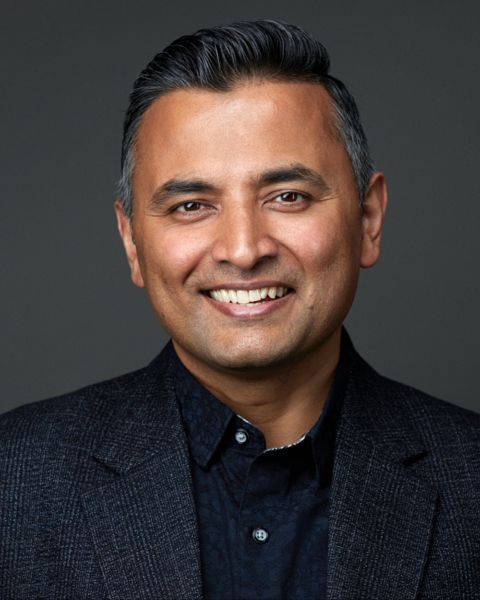
)
)
)
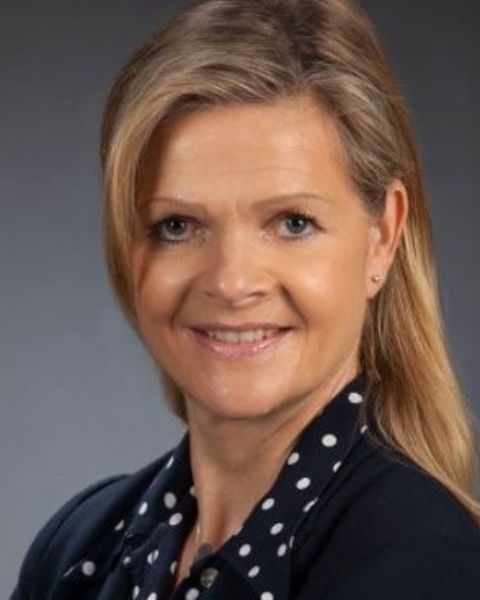
)
)
)
)
)
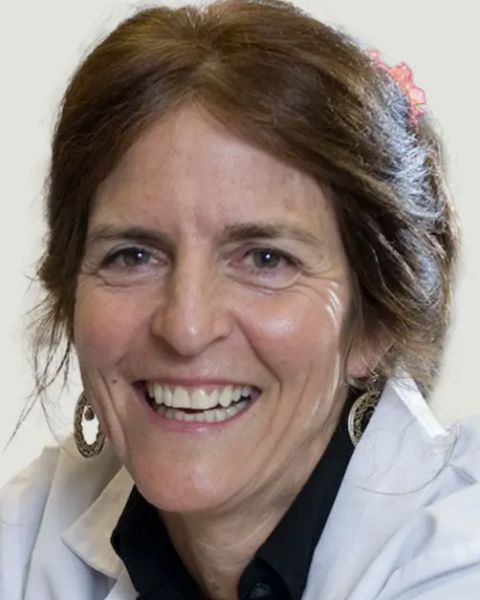
)
)
)
)
)
)
.jpg/fit-in/120x9999/filters:no_upscale())
)
)
)
)
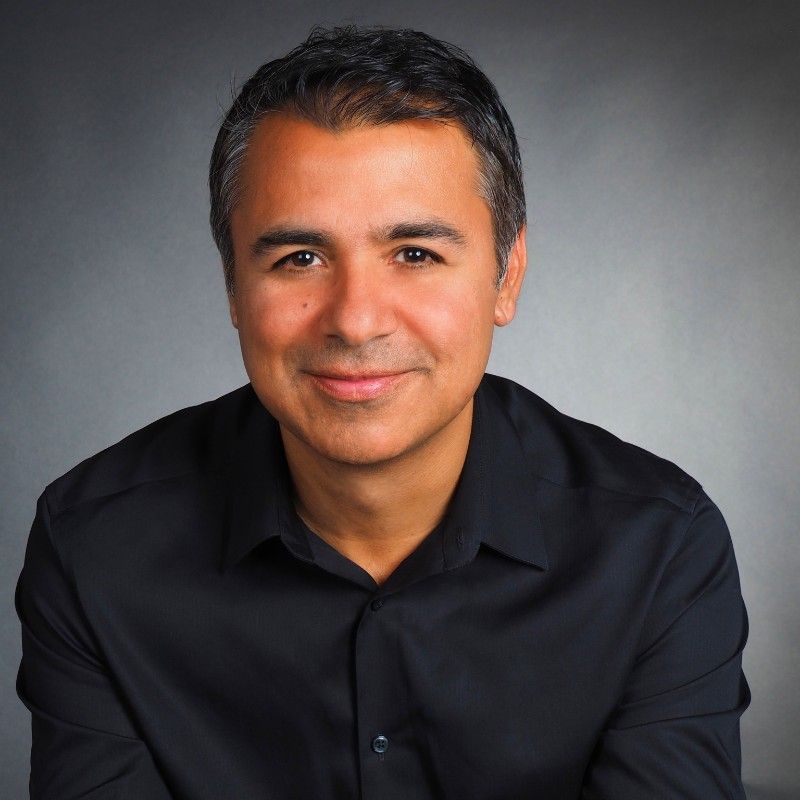
)
)
)
)
)
)

11:10 AM (PT)
-
 BioCurie is a TechBio startup pioneering mechanistic artificial intelligence (mAI) to transform the development and manufacturing of cell, gene, and RNA therapies (CGT). Our patented BioCurie™ mAI software platform enables biopharmaceutical companies and manufacturers to rapidly develop and produce CGTs that are safe, effective, and commercially scalable. BioCurie has strong momentum, including a a $9M contract with ARPA-H to develop a scalable AI-driven digital platform for gene therapy production, a contract with a Top 25 pharma customer converting from pilot to SaaS in 2026, signed and pending contracts valued at $2.2M with global biopharma companies. BioCurie’s foundational patent has entered the National Stage with a favorable USPTO report, and we have received positive feedback from the FDA. BioCurie has been invited to educate HHS on AI-driven decision-making for CGT production and has won multiple global innovation awards, including the Cure Xchange Health AI for Good Award (20 ...Start-Up Stadium Session
-
Cell and Gene Therapy and Genome Editing
Primary Speaker -
)
11:15 AM (PT)
-
Company Presentation
 ViroMissile is developing a new cornerstone of cancer treatments and turning immunologically cold tumors hot via our big breakthrough in effectively intravenously dosing an oncolytic virus (OV) as demonstrated by our emerging clinical data. We have demonstrated clear evidence of immune desert conversion, and we are able to do so by using a proprietary vaccinia-based OV platform that spreads quickly in tumors and survives in blood because it exists mostly as an enveloped form that is protected from immune system clearance. Our lead clinical program as part of a triplet combination therapy including PD-1 has demonstrated the industry’s highest response rates (ORR) and progression free survival (PFS) rates to date in MSS CRC, and our second clinical program as a monotherapy has helped our first two patients dosed achieve stable disease with solid tumors. ViroMissile has raised only $20M to date, and we are seeking a lead investor and/or pharma partner for a $40M series B.Company Presentation
-
Oncology
Primary Speaker -
-
Company Presentation
 Kernal Bio is a VC-backed biotech company pioneering in vivo CAR-T therapies. We harness selective mRNA-LNP technology to treat cancer and autoimmune diseases with precision—ensuring targeted delivery and minimizing off-target effects. Our KR-402 program achieves over 90% delivery efficiency with T-cell-targeted LNPs, enabling direct CAR-T programming inside the body and resulting in B-cell depletion within one week. Kernal Bio is led by a team with deep expertise from Merck, BMS, MIT, and Harvard, with three FDA-approved therapies and over 120 patents to our name. Based in Boston, MA, we’re backed by Hummingbird Ventures, Amgen, Lilly, HBM, and NVIDIA. In addition to $30M in VC funding, we’ve recently secured $48M in non-dilutive funding to advance our in vivo CAR-T programs.Company Presentation
-
Cell and Gene Therapy and Genome Editing
Primary Speaker -
-
Company Presentation
.jpeg) CardiaCures is a cardiovascular drug company developing software-linked medicines: drug-led combination products in which precision-dosing software and wearable monitoring are designed to be integrated into prescribing workflow and the FDA-approved label. The company’s two FDA-engaged lead programs target high-need arrhythmia settings: a genetically defined inherited arrhythmia program that offers a focused first NDA path, and an atrial fibrillation rhythm-control program designed to address dosing, QT monitoring, and initiation barriers that limit current antiarrhythmic use. CardiaCures is powered by the Translational Cures platform and led by former FDA leaders and drug-development executives.Company Presentation
CardiaCures is a cardiovascular drug company developing software-linked medicines: drug-led combination products in which precision-dosing software and wearable monitoring are designed to be integrated into prescribing workflow and the FDA-approved label. The company’s two FDA-engaged lead programs target high-need arrhythmia settings: a genetically defined inherited arrhythmia program that offers a focused first NDA path, and an atrial fibrillation rhythm-control program designed to address dosing, QT monitoring, and initiation barriers that limit current antiarrhythmic use. CardiaCures is powered by the Translational Cures platform and led by former FDA leaders and drug-development executives.Company Presentation- Cardiovascular
Primary Speaker
11:20 AM (PT)
-
Coastar Therapeutics is a venture-backed biotech firm headquartered in San Diego, CA, dedicated to advancing next-generation gene delivery technology. The company has developed a novel eLNP technology incorporating the cell membrane for systemic non-viral gene delivery. The company also has a novel ENHEnS technology that can coat human cell membrane on each individual virus to evade immune system recognition and clearance. Coastar is employing this cutting-edge platform to challenge the realms of CAR-T therapy and CRISPR gene editing. With its low toxicity and precision targeting features, the company is exploring in vivo therapy, potentially reducing treatment costs by a factor of 10, starting with in vivo CAR-T therapy and progressing to in vivo gene editing. The company is a JLABS resident and participates NYU endless frontier labs accelerator.Start-Up Stadium Session
-
Cell and Gene Therapy and Genome Editing
Primary Speaker -
)
11:30 AM (PT)
-
153 Therapeutics is a UCSF spinout developing a novel small-molecule therapy for Parkinson’s Disease. The approach targets Nurr1, a nuclear receptor that plays a central role in restoring dopamine production and reducing neuro-inflammation and oxidative stress in the brain. A disease model study showed strong and statistically significant treatment responses, and further optimization has produced a lead compound with a favorable pharmacology and safety profiles. Progress to date has been funded by the NIH, UCSF’s Innovation Ventures program, and the Michael J Fox Foundation for Parkinson’s Research.Start-Up Stadium Session
-
Brain Health
Primary Speaker -
-
Company Presentation
 CytoHub: Crafting cells for cures CytoHub is a cell therapy and human-tissue engineering company built on human iPSC-derived developmental biology. Our lead program, HeartReady™, is an iPSC-derived cardiac cell therapy in early-stage preclinical development for ischemic heart failure — designed to restore the heart muscle lost to ischemic injury. It is being advanced through Cardia Therapeutics, a separately capitalized subsidiary. The same biology powers two revenue-generating platforms: CardioVive™, a human "mini-heart" organoid model for cardiac pharmacology, safety, and disease modeling, and BioEngineAI™, our AI and data layer for predictive analytics and manufacturing automation — serving biopharma and research partners while sharpening HeartReady's path to the clinic.Company Presentation
- Cardiovascular
Primary Speaker -
Company Presentation
 Founded 50 years ago, Genentech is a leading biotechnology company that discovers, develops, manufactures and commercializes medicines to treat patients with serious and life-threatening medical conditions. The company, a member of the Roche Group, has headquarters in South San Francisco, California. For additional information about the company, please visit gene.com. Roche is a healthcare company uniquely placed to prevent, stop and cure diseases by uniting leading science and technology across diagnostics, medicines and digital solutions. Roche was founded in Basel, Switzerland in 1896 and today is a leading provider of transformative medicines and diagnostics for millions of people in over 150 countries around the world. It is dedicated to tackling healthcare challenges that place the greatest strain on patients, families, communities and healthcare systems.Company Presentation
- Multiple Therapeutics
-
Company Presentation
 Beijing Sungen Biomedical Technology Co., Ltd. is an innovation-driven, clinical-stage biotechnology company founded in 2018, pioneering the development of First-in-Class (FIC) and Best-in-Class (BIC) antibody-based therapeutics, including mAbs, BsAbs, and ADCs. Sungen is committed to addressing critical unmet clinical needs through deep innovation in therapeutic antibodies, supported by a team of researchers and managers of successful biotechnology entrepreneur records, utilizing state-of-the-art in-house discovery and research platforms. Currently, Sungen is simultaneously focusing on research of antibody therapies in cardiology and oncology.Company Presentation
-
Oncology
-
-
Company Presentation
 GeneVentiv Therapeutics is a pre-clinical gene therapy company focused on identifying, in-licensing and developing transformative gene therapies. GeneVentiv has two first-in-class gene therapies for patients with significant unmet needs. GENV-HEM is a gene therapy for all hemophilias, including inhibitor patients, and without the durability issues that have plagued Factor VIII gene therapies. GENV-002 is a first-in-class gene editing therapy for both the Infantile Onset (IOPD) and Late Onset (LOPD) forms of Pompe disease that stably integrates a functional GAA transgene offering lifelong enzyme production, something that other gene therapies are unable to achieve. With these gene therapies we can transform the lives of 270,000+ developed world patients.Company Presentation
-
Cell and Gene Therapy and Genome Editing
Primary Speaker -
)
)
)
)
)
11:40 AM (PT)
-
BrainStorm Therapeutics is a precision neuroscience company developing disease-modifying therapies for rare and neurodegenerative brain disorders. We integrate patient-derived brain organoids with AI to identify and validate human-relevant disease mechanisms and therapeutic targets. Our lead program in CDKL5 deficiency disorder targets a novel, first-in-class pathway and is advancing through hit-to-lead optimization. We have demonstrated regulatory validation with an IND-cleared Rett syndrome repurposing program derived from organoid data. With strong reproducibility, proprietary datasets, and early partnership traction, BrainStorm combines a scalable discovery platform with a growing pipeline of de-risked assets, enabling faster, more predictive CNS drug development and compelling partnership opportunities.Start-Up Stadium Session
-
Brain Health
Primary Speaker -
)
11:45 AM (PT)
-
Company Presentation
 Nuevocor is a biotechnology company developing novel therapies for genetic cardiomyopathies driven by aberrant mechanobiology, headquartered in Singapore with offices in the U.S. and Europe. In 2025, Nuevocor closed a US$50 million financing from Kurma Partners, Angelini Ventures, EDBI, ClavystBio, Boehringer Ingelheim Venture Fund, Coronet Ventures and Highlight Capital. Our unique approach, enabled by our proprietary PrOSIA mechanobiology platform, surpasses the limitations of traditional gene replacement therapy – which treats individual gene mutations – to treating defects in shared disease pathways across multiple cardiomyopathies by addressing the functional root cause of disease. Nuevocor is first-in-disease by addressing genetic cardiomyopathies that are not amendable to gene replacement therapy and have no effective treatment options.Company Presentation
- Cardiovascular
Primary Speaker -
Company Presentation
 GI Innovation is a South Korean biotech company founded in 2017 with the mission to improve human health by developing innovative biologics. Publicly listed since 2023, GI Innovation employs 90 staff and has achieved three major out-licensing deals for its immunological therapies with a cumulative deal value of USD $2.5B. The company is developing GI-102, a targeted immune checkpoint inhibitor and effector cell stimulator, with clinical collaboration agreements underway with Johnson & Johnson and MSD (Merck & Co.).Company Presentation
-
Oncology
Primary Speaker -
-
Company Presentation
 Amgen is a global biotechnology company focused on discovering, developing, manufacturing, and delivering innovative human therapeutics. Founded in 1980 and headquartered in Thousand Oaks, California, Amgen develops medicines in areas such as oncology, cardiovascular disease, inflammation, bone health, and rare diseases. The company uses advanced genetics and molecular biology to create therapies that address serious illnesses and improve patient outcomes worldwide.Company Presentation
-
Oncology
Primary Speaker -
-
Company Presentation
.png) BioHarvest Sciences (NASDAQ: BHST) has spent the past 15 years developing a patented plant cell biomanufacturing platform capable of producing high-value plant-derived bioactives at commercial scale with batch-to-batch consistency, enhanced concentration, and full traceability independent of traditional agriculture.Company Presentation
BioHarvest Sciences (NASDAQ: BHST) has spent the past 15 years developing a patented plant cell biomanufacturing platform capable of producing high-value plant-derived bioactives at commercial scale with batch-to-batch consistency, enhanced concentration, and full traceability independent of traditional agriculture.Company Presentation- Platform for Therapeutics
)
)
)
)
11:55 AM (PT)
-
 MagNETIC is a Stanford University neurosurgery spinout developing a novel IV Magnesium Threonate formulation for neuroprotection across surgery, stroke, and antenatal settings - a $3.4B+ combined market with zero direct competitors. Backed by a 66-patient Stanford RCT led by the Stanford Stroke Centre, a filed patent and a 505(b)(2) regulatory pathway, MagNETIC addresses three markets with one formulation: perioperative neuroprotection in cerebral revascularization, stroke reperfusion therapy, and antenatal magnesium replacement. Developed through the Stanford SPARK translational research program, the planned NewCo will hold an exclusive Stanford license upon securing a $200K first-gate investment.Start-Up Stadium Session
-
Brain Health
-
12:00 PM (PT)
-
Company Presentation
 VacV Biotherapeutics is headquartered in London and sources novel research and therapeutic concepts from Barts Cancer Institute, London, UK. We now have an R&D center at BioBay in Suzhou, China, and aims to expand globally. We have established two core oncolytic immunotherapy platforms based on genetically engineered adenovirus (AdV) and systemically deliverable vaccinia virus (VV), focusing on the treatment of CNS malignancies (e.g., glioblastoma and pediatric intrinsic pontine glioma) and refractory/metastatic solid tumors. Our unique operational model combines the efficiency advantages of early-stage R&D in China with the capabilities of late-stage global clinical development. Notably, our lead product BioTTT001 has shown dramatic efficacy in patients with recurrent GBM and DIPG.Company Presentation
-
Oncology
Primary Speaker -
-
Company Presentation
 At Cyclarity Therapeutics, our mission is to develop therapeutics which target the root cause of diseases of aging - the accumulation of toxic biomolecules over time. Our lead drug candidate is UDP-003, a small molecule which targets and removes toxic oxidized cholesterol, a core driver of plaque formation in cardiovascular disease and dysfunction in other chronic diseases. We recently completed our first in human phase 1 healthy normal volunteer clinical trial for our lead drug candidate, UDP-003, in Adelaide, Australia in partnership with the Victorian Heart Hospital and under the supervision of Dr. Stephen Nicholls, the leading expert in blood vessel plaque formation and treatment. Results established that UDP-003 is safe for humans and notably demonstrated target engagement. A phase 1b trial in patients with atherosclerotic plaque burden is ongoing, aiming to demonstrate safety in unhealthy patients. We are currently raising a $40M series B round to fun phase 2 clinical trials.Company Presentation
- Cardiovascular
-
Company Presentation
 Daiichi Sankyo is a global healthcare company, committed to becoming a trusted healthcare innovator, transforming the lives of people through its strength in science and technology. The company discovers and develops new standards of care to address diverse medical needs to fulfill its purpose of contributing to the enrichment of quality of life around the world.Company Presentation
-
Oncology
-
-
Company Presentation
 2T Therapeutics partnership is a project between ODDIFACT SAS (AI regulatory intelligence platform, Paris) and Mabion S.A. (EU-GMP certified biologics CDMO, Warsaw Stock Exchange). We are co-developing MabionCD20, a branded anti-CD20 monoclonal antibody, as the first approved CD20 therapy for Immune Thrombocytopenia and other rare hematologic diseases, where anti-CD20 therapy is standard of care off-label yet no product holds regulatory approval. Strategy: BLA 351(a) standalone orphan pathway, dual FDA/EMA submission, single pivotal study. FDA Orphan Drug Designations already granted. Evidence base: 5,000+ patients, 30+ Phase 2/3 trials. First approval targeted 2030. Lifecycle expansion via subcutaneous formulation and AI-driven indication extension post-approval.Company Presentation
-
Orphan and Rare Disease
Primary Speaker -
)
)
)
)
12:10 PM (PT)
-
 AivoCode is an emerging biotech startup pioneering the development of innovative and broad platform technologies to improve the treatment and management of neurological diseases by developing assets that promote neuroprotection and block neuroinflammation.Start-Up Stadium Session
-
Brain Health
Primary Speaker -
12:15 PM (PT)
-
Super SessionSaudi Arabia is rapidly emerging as one of the most compelling pharmaceutical and biotech markets globally. This session brings together global and local industry leaders to explore the deal structures, partnership models, and strategic alignments driving the Kingdom's sector growth from co-development and licensing to technology transfer and joint ventures. Panelists will examine how priorities are evolving, and what it takes to turn partnerships into scalable, lasting value. Real-world success stories will illustrate how Saudi Arabia is cementing its position as a global hub for biotech innovation. Attendees will gain a clearer understanding of where the most promising partnership opportunities lie, what makes deals succeed in the Saudi market, and how to position their organizations to compete and collaborate in one of the region's fastest-growing sectors.Super Session
-
Emerging Opportunities in Global Markets
Sponsored by:
-
-
Company Presentation
 Dio-Tree is a biotechnology company developing a first-in-class therapeutic approach for ovarian cancer by targeting the enzyme DIO3 within tumor cells. DIO3 regulates intracellular thyroid hormone activity, and its dysregulation supports cancer cell proliferation and survival. By modulating thyroid hormone signaling directly in tumor cells, Dio-Tree aims to inhibit tumor growth through a novel mechanism distinct from current therapies. The company’s lead program is in the preclinical stage, demonstrating strong efficacy in multiple in vivo ovarian cancer models, including clinically relevant orthotopic systems, alongside a favorable safety profile. Dio-Tree is advancing toward first-in-human clinical trials, supported by a multidisciplinary team and leading scientific advisors. With potential applications across multiple solid tumors, Dio-Tree is positioned to pioneer a new class of cancer therapies based on intracellular metabolic regulation.Company Presentation
-
Oncology
Primary Speaker -
-
Company Presentation
 US-based Repair Biotechnologies develops the first potentially curative therapy for atherosclerotic cardiovascular disease, derived from a novel platform approach to undruggable aspects of cholesterol metabolism. The company's lead messenger RNA drug has rapidly and sizably improved exercise performance, improved liver health, and regressed estabished arterial plaque in preclinical studies. These improvements continue to accrue in treated animals for months following cessation of therapy. The FDA has awarded Orphan Drug Designation for the treatment of the accelerated atherosclerosis of homozygous familial hypercholesterolemia, and the company is preparing for IND submission in 2027. The therapeutic platform is broadly applicable to a range of important and largely irreversible conditions beyond cardiovascular disease, including MASH, neurodegenerative diseases, and others.Company Presentation
- Cardiovascular
Primary Speaker -
Company Presentation
 Lilly is a medicine company turning science into healing to make life better for people around the world. We've been pioneering life-changing discoveries for nearly 150 years, and today our medicines help tens of millions of people across the globe. Harnessing the power of biotechnology, chemistry and genetic medicine, our scientists are urgently advancing new discoveries to solve some of the world's most significant health challenges: redefining diabetes care; treating obesity and curtailing its most devastating long-term effects; advancing the fight against Alzheimer's disease; providing solutions to some of the most debilitating immune system disorders; and transforming the most difficult-to-treat cancers into manageable diseases. With each step toward a healthier world, we're motivated by one thing: making life better for millions more people.Company Presentation
- Multiple Therapeutics
Primary Speaker -
Company Presentation
 JHK Medical Science Inc. is a company specializing in the early detection of Alzheimer’s Disease (AD) and Mild Cognitive Impairment (MCI). Founded in 2020 by CEO Seo Yun Jo (MD, Ph.D.), the company is developing a high-precision, blood-based In Vitro Diagnostic (IVD) kit leveraging proprietary biomarkers. Its platform integrates proprietary IVD & recombinant antibodies & antigen design, and immunoassay technologies to enable clinically applicable diagnostics. By targeting the MCI stage, the company aims to address the limitations of current diagnostic methods, which are often invasive, costly, or inaccessible. The company is positioned to enter the global Alzheimer’s diagnostics market and is advancing clinical validation through U.S.-based cohort studies and collaborations with Clinical Laboratory Improvement Amendments (CLIA)-certified laboratories. It plans to leverage a Laboratory Developed Test (LDT) pathway for initial market entry while preparing for FDA regulatory approval.Company Presentation
- Medical Devices
Primary Speaker
)
)
)
)
)
)
)
)
12:20 PM (PT)
-
 Editpep is a preclinical therapeutics company spun out of UC Berkeley Innovative Genomics Institute developing a next-generation non-viral delivery platform for in vivo CRISPR medicines. Its proprietary PERC™ technology delivers CRISPR as a transient biologic therapeutic, offering the safety advantages of non-viral, protein-based editing while overcoming the distribution challenges of lipid nanoparticles and unlocking a new class of safer, programmable genomic medicines. Editpep has demonstrated compelling in vivo brain editing in large animal models and is expanding into base editing and additional tissues. The company’s lead program targets Huntington’s disease, with a growing pipeline in CNS and genetic diseases.Start-Up Stadium Session
-
Brain Health
Primary Speaker -
12:30 PM (PT)
-
Sculpta, Inc. is a San Francisco based startup founded by physician scientist and former Stanford faculty member Neal Amin. Sculpta is pioneering Protein Sculpting therapeutics, splice-switching antisense oligonucleotides that change the structure and function of disease-causing proteins in the brain. Sculpta's single cell-resolution Human RNA Splicing Atlas uniquely enables isoform-level target discovery and won the top prize at the 2025 Alnylam BioVenture Challenge.Start-Up Stadium Session
-
Brain Health
Primary Speaker -
)
12:40 PM (PT)
-
Storytelling Stage SessionStorytelling Stage Session Storytelling Stage (Booth #3035)
12:45 PM (PT)
-
Zena Therapeutics is developing safer alternatives to benzodiazepines by leveraging a novel GABA-A receptor binding site. Our partial positive allosteric modulators (PAMs) deliver anxiolytic and anti-seizure efficacy while eliminating the fatal overdose risk that has plagued benzodiazepines for decades, addressing a critical unmet need in anxiety treatment, substance withdrawal, and epilepsy. With lead compounds demonstrating equal efficacy in preclinical models to benzodiazepines and improved safety, Zena is advancing toward IND-enabling studies with support from NIH/NIDA funding and strategic partnershipsStart-Up Stadium Session
-
Brain Health
-
1:40 PM (PT)
-
Analytical technologies and methods play a pivotal role in quality attribute understanding and control which are essential to the rapidly evolving filed of biologics development and manufacturing. This presentation explores some emerging technology trends and applications. Key innovations include multi-attribute method (MAM) via mass spectrometry, rapid microbial testing, AI-driven high-throughput screening (HTS), and Raman spectroscopy. These advancements facilitate Quality by Design (QbD), Process Analytical Technology (PAT), and digital twins, which accelerate drug development and enhance product quality and safety.BioProcess Session BioProcess Theatre
-
BioProcess International TheatreBioProcess International Theatre BioProcess Theatre
-
Analytical technologies and methods play a pivotal role in quality attribute understanding and control which are essential to the rapidly evolving filed of biologics development and manufacturing. Thi ...BioProcess Session BioProcess Theatre
-
This presentation explores practical applications of artificial intelligence across biopharmaceutical CMC, focusing on real-world use in GMP environments. It highlights AI-driven approaches to QMS, de ...BioProcess Session BioProcess Theatre
-
As biopharmaceutical pipelines grow increasingly diverse — encompassing monoclonal antibodies, recombinant proteins, gene therapies, cell therapies, and other novel modalities — the pressure to stream ...BioProcess Session BioProcess Theatre
-
.jpg/fit-in/120x9999/filters:no_upscale())
1:45 PM (PT)
-
Although artificial intelligence (AI) has existed for decades, recent advances in computational power, data availability, and machine learning models have significantly accelerated its development and expanded its practical applications. Nowhere is this rapid evolution more apparent than in the field of healthcare, where AI is transforming how we understand, diagnose, and treat medical conditions. Today, AI systems play an increasingly vital role in accelerating the discovery of new therapeutics and medical devices, streamlining clinical workflows, and enhancing the accuracy and timeliness of diagnoses and treatment recommendations. Panelists will discuss their contributions to the global regulatory AI framework, share insights from the regional AI evaluations, and explore the broader implications for global health governance. The session will also examine cross-cutting themes such as emerging regulatory trends, critical legislative gaps, and opportunities to harmonize policy approache ...Breakout Session
-
AI and Digital Health
-
-
Longevity science has entered its execution era. What once sounded speculative now rests on clearer biology, richer human datasets, and maturing toolkits that are pushing longevity from buzzword to buildable therapeutic category. This session brings together leaders from industry and investment to define what durable aging and healthspan means in practice. This panel will explore how to prioritize key pathways, select effective therapeutic approaches, and identify biomarkers and functional readouts that truly matter in the longevity space. Attendees will leave with a framework for distinguishing hype from substance and for understanding what it will take to move longevity science from promising experiments to scalable, real-world medicines.Breakout Session
-
Next Generation Biotherapeutics
-
-
Both Secretary Kennedy and Commissioner Makary have signaled that there will be a new era of “radical transparency” at the Food and Drug Administration (FDA). Regulatory transparency is generally desirable, particularly on matters of public health and the safety and efficacy of medicines for human use. As the FDA has undergone significant changes during the first year of the Trump administration, in the areas of personnel, organization, and interpretation of its mission, has the Agency lived up to its pledge? What has “radical transparency” looked like, and has it always been a good thing for patients and industry? Session speakers will examine such developments as the use of expert panels in lieu of advisory committees, the public release of Complete Response Letters (CRLs), and the award of preferential review timelines via the Commissioner’s National Priority Voucher program through a transparency lens and offer their conclusions.Breakout Session
-
Intellectual Property and Legal Landscape
Moderator -
-
The April 2025 Food and Drug Administration Roadmap to Reducing Animal Testing in Preclinical Safety Studies is a signature effort to shift the prevailing drug development paradigm. Aiming to reduce costs, time, and ethical burdens associated with animal studies and thereby streamline drug development pathways, the FDA Roadmap outlines a stepwise approach to reduce and replace animals via human-centered new approach methodologies (NAMs). It began with a three-year effort to explore existing data availability, develop an open-access data repository, encourage sponsors to submit NAMs data, and reduce the length of toxicology testing for mAbs. Many experts believe this paradigm shift is possible with the right investment, incentives, and clear guidance. Session attendees will hear updates from government panelists on progress and early successes, and discuss the kind of guidance, regulation, funding, and other incentives industry can expect. Panelists will discuss how academia and other c ...Breakout Session
-
Science and Regulatory Innovation
Speakers -
-
The biopharmaceutical industry needs sources for more, and better prepared talent, and there is building enthusiasm for skills-based hiring. Over the past few years, the Registered Apprenticeship (RA) model of workforce development has been successfully deployed in a variety of life science related career pathways, predominantly for biomanufacturing technicians. However, misinformation, outdated assumptions, and lack of a nationally consistent model have hampered large-scale adoption of RAs by this industry. Efforts are currently underway to establish National Registered Apprenticeship Standards, starting with those for biomanufacturing technicians, which can be shared across the country to streamline development of new programs. These national standards will allow customization to meet local employers’ needs while ensuring site-to-site consistency regardless of location. By offering a 360º perspective this session will inform biopharma professionals on workforce development efforts in ...Breakout Session
-
Workforce, Health Equity, and Leadership
Speakers -
-
Oncology continues to be the leading therapeutic area across the biopharma industry by almost all measures, including global drug sales, number of pipeline programs, venture capital dollar deployment, business development activity, and number of drug approvals. Innovation within the oncology pipeline continues to flourish, with novel mechanisms helping counteract the impending loss of exclusivity for several of today’s leading products. But where do industry leaders anticipate future investment to be heading? How are trends in discovery, development, commercialization, and business development impacting how large, mid-size, and small biopharma approach opportunities in oncology? A panel of experts will discuss what the industry can expect in oncology for the remainder of 2026 and beyond.Breakout Session
-
Oncology
Speakers -
-
This session focuses on shifting from reactive to preventative strategies in managing medicine shortages. Speakers will highlight supply chain resilience, harmonized processes and systems, and innovative solutions, while exploring how global partners collaborate to ensure medicine availability despite evolving legislative and geopolitical change.Breakout Session
-
Emerging Opportunities in Global Markets
Speakers -
-
This session will explore ARPA-H’s unique SBIR/STTR funding opportunities and the distinctive commercialization support designed to propel breakthrough companies forward. Attendees will hear firsthand from ARPA-H funded small business performers about their experiences leveraging tailored industry experts and acceleration services to drive their ideas from early-product to patient impact. The discussion will provide an insider’s view from investors on navigating market success in a rapidly evolving sector, including how to combine sources of capital in a challenging environment. Expect to leave with practical strategies and fresh perspectives on ARPA-H’s small business program, open funding opportunities, and the dynamic support ecosystem designed to maximize entrepreneurial impact in health innovation. This program provides an onramp to broader agency initiatives, seeding new ideas, and accelerating solutions that advance ARPA-H's mission.Breakout Session
-
Business Development and Investment
ModeratorSpeakers -
-
In recent years, a confluence of global economic, market, and policy shifts have led to the abandonment of more than 1,000 promising treatments in development for rare diseases - many of which deliver meaningful results for patients. Patient communities, researchers, and clinicians have had to pivot and figure out bold new ways of advancing or repurposing innovative treatments that traditional biopharma companies can no longer support. Session attendees will hear from the changemakers - patients, parents, advocates, researchers, clinicians, and industry leaders who refused to accept there wasn't a better way. The paths they are forging are not only changing the landscape for rare disease but paving the way for precision medicines for larger disease areas that are increasingly being segmented into collections of distinct, less common, and rare conditions.Breakout Session
-
Business Development and Investment
Speakers -
-
For centuries, nature, and particularly the innate immune system, has encoded powerful mechanisms for disease control and repair. Today, artificial intelligence (AI) is reshaping drug discovery by revealing these signals with unprecedented resolution and by transforming how companies even run experiments, closing the loop between computation and the lab. Panelists will share their experience in learning directly from human-relevant biological data and how AI is enabling the discovery of antibody drugs, small molecules, and new therapeutic modalities that harness the body’s own regulatory systems. As experimentation becomes faster, more adaptive, and increasingly automated, these approaches are uncovering targets that have long eluded traditional R&D - accelerating discovery, reducing risk, and redefining how modern medicines are designed.Breakout Session
-
AI and Digital Health
Speakers -
-
The biotech ecosystem is navigating real headwinds — tighter capital, increasingly complex science, and an increasingly unforgiving path from discovery to clinic. But pressure also creates openings. The most consequential decisions in drug development — target selection, platform bets, modality choices — happen years before a traditional pharma partnership gets structured. A new collaboration model is emerging that meets founders at those earlier inflection points: not just as a future acquirer, but as a genuine scientific partner. This session brings together biotech founders, investors, and pharma external innovation leadership to explore what earlier, more substantive pharma engagement looks like in practice — and what biotech stands to gain: network access, institutional expertise, and a faster path through development complexity, at the moments that matter most.Breakout Session
-
Business Development and Investment
Sponsored by:
-
-
Company Presentation
 Celonic is a “Pure Play” Biologics CDMO, providing development, process optimization, and GMP clinical and commercial manufacturing. We have experience with standard mAbs, Bi-Specifics, and other complex molecules. We are also a pioneer in Next-Generation Technologies such as Process Intensification and Full-Perfusion, in addition to traditional Fed-Batch. We offer the expertise you might find in larger CDMOs with the agility and collaboration of a family-owned business. Celonic has a state-of-the-art Biologics Development Center in Switzerland, with clinical and commercial GMP manufacturing facilities in Germany.Company Presentation
- Contract Manufacturing Organization
Primary Speaker -
Company Presentation
 Innogen Pharmaceuticals is a HKex listed biopharma company based in China. Our leading asset, Efsubaglutide α, is with an half-life of 280 hours, enabling a once-MONTHLY dosing for weight management and is ready for Phase 3 trials in the US. Following its approval for type 2 diabetes in China, global BLA submissions are now underway. We are also building a robust and diversified pipeline, including a dual-action AD asset ready for FDA IND, a first-in-target asset leveraging Myokine for MASH, and a new drug for type 1 diabetes, and other new target obesity pipelines. Furthermore, our proprietary formulation technology is enabling an ultra-long-acting version with potential of semi-annual dosing. Obesity: We are advancing Efsubaglutide α, which offers a compelling profile of significant fat loss, muscle preservation, and convenient once-monthly dosing regimen. Other first in class pipeline for obesity: Apelin/GLP-1, GCGRi/GLP-1, GHS-R…..Company Presentation
- Multiple Therapeutics
-
Company Presentation
 Link Biologics is pioneering the development of protein biologics that harness the protective biology of tumour necrosis factor-stimulated gene-6 (TSG-6) and set new standards of care via multi-pathway modulation of inflammation, tissue protection and repair. With broad potential across inflammatory and degenerative conditions, the Company’s lead programmes focus on Dry Eye Disease (DED) and Wet Age-related Macular Degeneration (AMD); together these represent multi-billion-dollar global markets with significant unmet needs. Its lead asset, Link_TSG6, for the treatment of DED, is expected to reach the clinic in 2027 with a clear path to key, value-creating, milestones. Led by a world-class team with decades of academic and commercial experience in TSG-6 biology and drug development, Link Biologics combines deep scientific and pharma leadership with a collaborative, outcome-driven culture, positioning the Company to deliver game-changing therapies.Company Presentation
- Ophthalmology
Primary Speaker
)
)
.jpg/fit-in/120x9999/filters:no_upscale())
)
)
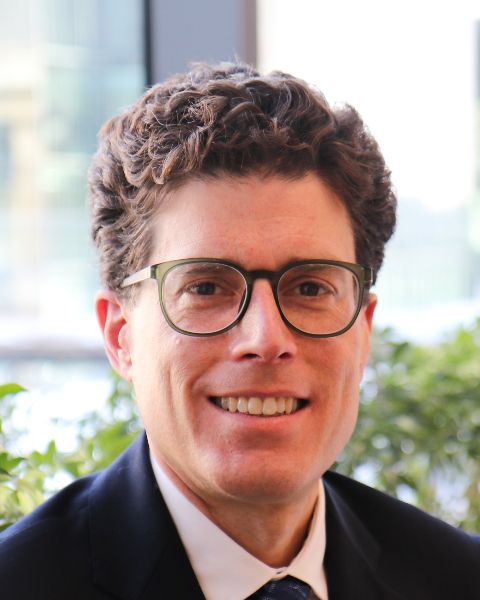
.jpg/fit-in/120x9999/filters:no_upscale())
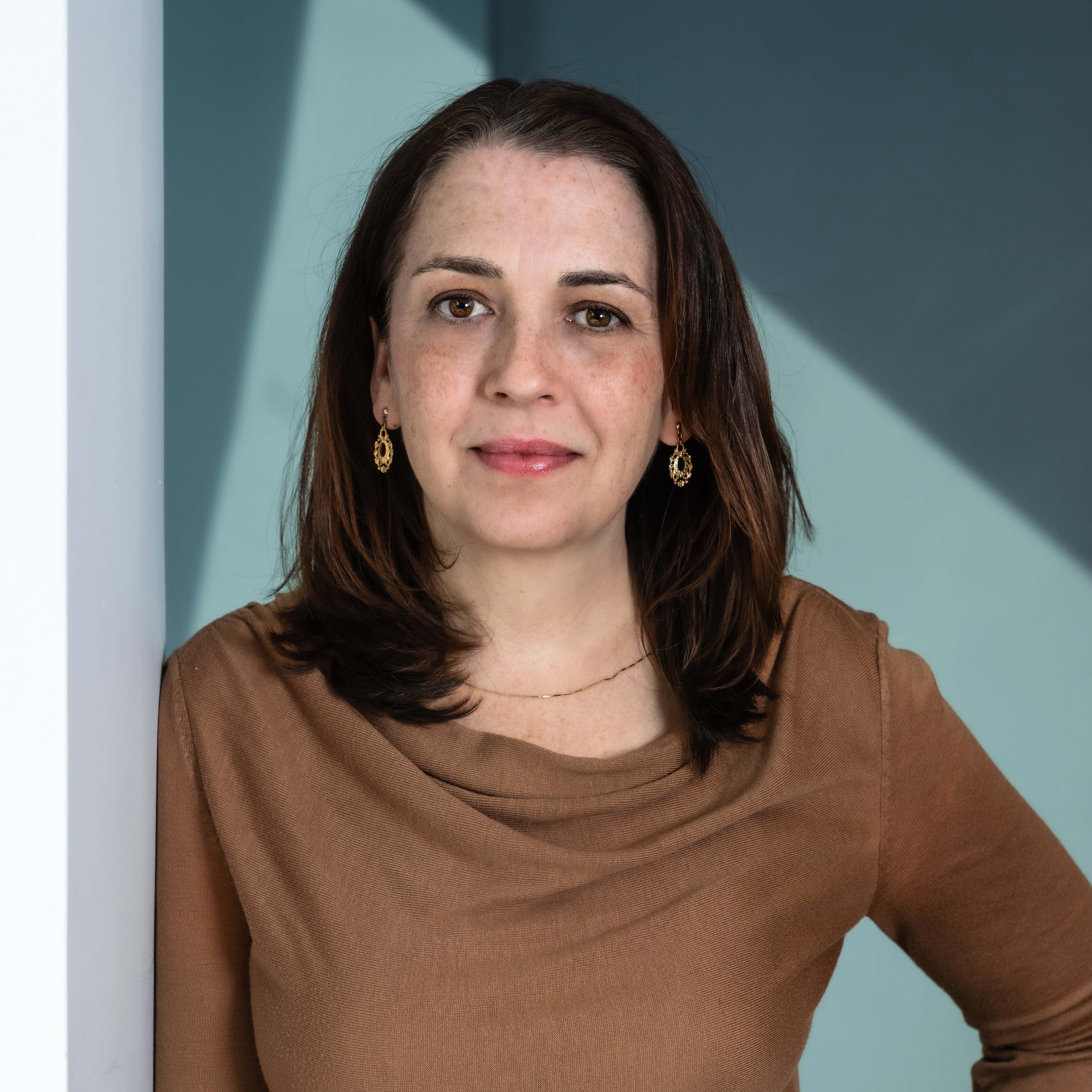
)
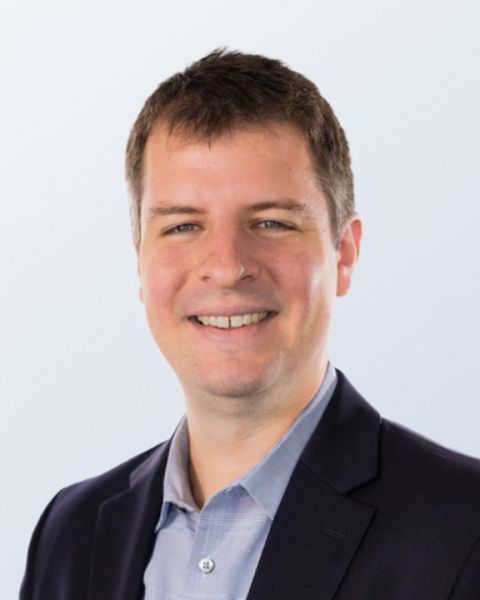

)
)
.jpg/fit-in/120x9999/filters:no_upscale())
.jpg/fit-in/64x9999/filters:no_upscale())
)
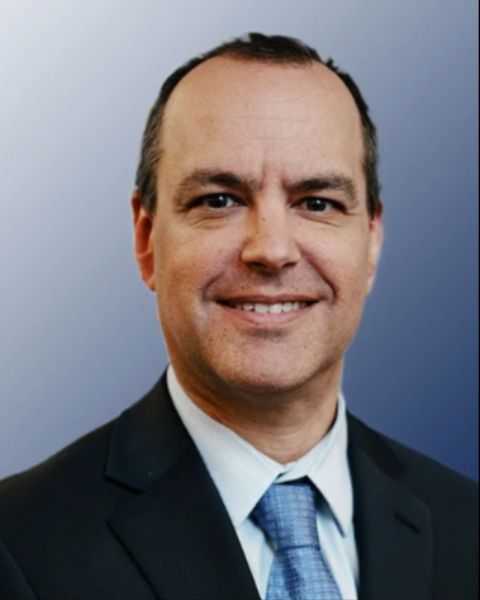
)
)
)
)
)
)
)
)


)
)
)

)
)
)
)
)
)
)
)
.jpeg)
)
)
)
)
)
2:00 PM (PT)
-
Start-Up Stadium 5BWe're sorry, but we couldn't find any results that match your search criteria. Please try again with different keywords or filters.Loading
-
 At O11 biomedical, we will improve the lives of millions of patients suffering from the progressive lung disease COPD: We allow breathing via the gut! Our first in-class oral drug, RESPILIQ, binds CO2 ...Start-Up Stadium Session
- Respiratory
-
 Automated microbial evolutionStart-Up Stadium Session
- Platform for Therapeutics
-
 Airobes is a carbon-to-value biotechnology company that developed a two-organism process that utilizes carbon dioxide as the carbon feedstock for bacterial fermentation. Through this process, Airobes ...Start-Up Stadium Session
- Platform for Therapeutics
-
 Silver Spur Therapeutics is a preclinical-stage therapeutics company spun out from the Chung Lab at the University of Southern California, focused on developing renal-targeted RNA therapies for Autoso ...Start-Up Stadium Session
- Platform for Therapeutics
-
 Crafton Biotechnology is a privately held mRNA therapeutics company developing next-generation vaccines and treatments powered by its proprietary PureCap® and CRAFT™ platforms. PureCap® enables GMP pr ...Start-Up Stadium Session
- Platform for Therapeutics
-
 Aleutian Therapeutics is a pre-clinical stage company developing universal stem cells to enable scalable production of a variety of cell therapies. Our proprietary technology aims to restore cellular ...Start-Up Stadium Session
- Platform for Therapeutics
-
 Sandia Biotech, Inc. is a biotechnology company located in Albuquerque, New Mexico that provides unique, proprietary antibody and protein-based fluorescent reagents to biomedical research scientists w ...Start-Up Stadium Session
- Platform for Therapeutics
-
-
Company Presentation
 Atrogi is a Phase II-ready biotechnology company developing oral therapies that preserve and build functional muscle. Our lead compound, ATR-258, delivers healthy weight loss with improved muscle mass and function—directly addressing a critical limitation of GLP-1 therapies, where up to 45% of weight lost is lean mass rather than fat. Built on a proprietary "Third State" β2-receptor binding mechanism, ATR-258 avoids desensitization and enables chronic dosing without the cardiovascular liability and tremor of classic β2-agonists. With Phase I complete and strong safety and efficacy signals in hand, we are advancing two Phase 2a trials in healthy volunteers and obese patients on GLP-1s, measuring weight loss, muscle preservation, and muscle function. Our platform also enables expansion into rare muscle disorders and sarcopenia. Based in Stockholm and backed by Flerie Invest and Korea Investment Partners, we are raising $45M Series B to fund our Phase II program, with readouts in 2028.Company Presentation
- Metabolic Diseases
Primary Speaker -
Company Presentation
 Forge Biologics, a member of Ajinomoto Bio-Pharma Services, is a gene therapy contract development and manufacturing organization (CDMO) enabling access to life-changing gene therapies by bringing them from concept to reality. Forge’s 200,000 square foot facility, the Hearth, is headquartered in Columbus, Ohio, and houses 20 custom-designed cGMP suites with 20,000L of bioreactor capacity. Forge’s end-to-end, scalable plasmid and AAV manufacturing services include research-grade manufacturing, process and analytical development, cGMP manufacturing, fill and finish, and integrated regulatory support to help accelerate the timelines of transformative medicines for patients with genetic diseases. To learn more, visit www.forgebiologics.com.Company Presentation
- Contract Manufacturing Organization
-
Company Presentation
 Reborna is a next-generation biotech pioneering RNA-targeted small molecule therapeutics to unlock disease mechanisms beyond the reach of conventional drug discovery. We are seeking strategic partnerships and financing to advance our programs into the clinic. Our core technology, RNA Insight, enables screening against full-length mRNA and mini-genes—a fundamentally different approach from conventional fragment-based methods. To our knowledge, we are the only company that has successfully applied full-length RNA to small-molecule screening to generate a robust pipeline, enabling highly selective and functionally relevant drug candidates. Our pipeline spans from target identification to preclinical development, focusing on splicing modulators and gene expression enhancers across CNS diseases, cancer and rare diseases.Company Presentation
-
Orphan and Rare Disease
Primary Speaker -
-
Storytelling Stage SessionJoin Lindsey Rambo and Dr. Jean Bennett for a conversation about the impact of gene therapy on inherited retinal diseases (IRDs). Lindsey will share her journey from diagnosis to participating in a clinical trial and becoming an advocate for the IRD community. She will be joined by Dr. Bennett, the pioneering scientist behind the first FDA-approved gene therapy for an inherited disease and Scientific Founder of Opus Genetics, to discuss how advances in gene therapy are creating new possibilities for patients living with inherited blindnessStorytelling Stage Session Storytelling Stage (Booth #3035)
)
)
2:05 PM (PT)
-
At O11 biomedical, we will improve the lives of millions of patients suffering from the progressive lung disease COPD: We allow breathing via the gut! Our first in-class oral drug, RESPILIQ, binds CO2 during gut passage. RESPILIQ treats severe COPD with minimal patient burden, expected high compliance, and minimal side effects. We expect to start our FiH study in Q1 2027.Start-Up Stadium Session
- Respiratory
Primary Speaker
2:10 PM (PT)
-
This presentation explores practical applications of artificial intelligence across biopharmaceutical CMC, focusing on real-world use in GMP environments. It highlights AI-driven approaches to QMS, deviation and CAPA management, CDMO oversight, and Module 3 preparation. Emphasis is placed on implementation strategies that enhance efficiency while maintaining compliance, data integrity, and regulatory expectations.BioProcess Session BioProcess Theatre
2:15 PM (PT)
-
Company Presentation
 Vivani Medical, Inc. is a clinical stage biopharmaceutical company developing miniature, ultra long-acting subdermal drug implant candidates utilizing its proprietary NanoPortal™ technology, which is designed to enable reversible, ultra long-acting, near constant-rate delivery of a broad range of medicines to treat chronic diseases. Vivani uses this platform technology to develop, and potentially commercialize, drug implant candidates, alone or in collaboration with pharmaceutical company partners, to address leading causes of poor clinical outcomes in the treatment of chronic diseases, including medication non-adherence, drug tolerability and administration challenges faced by certain patients. Vivani's lead program, NPM-139 (semaglutide implant) is under development for chronic weight management and Vivani's pipeline represent the only miniature, subdermal GLP-1 implants under development today.Company Presentation
- Metabolic Diseases
-
Company Presentation
 Longeveron is a clinical-stage company developing Laromestrocel, an allogenic "off-the-shelf" bone marrow-derived mesenchymal stem cell therapy for rare pediatric diseases and chronic aging-related conditions. Clinical Data & Pipeline Highlights Hypoplastic Left Heart Syndrome (HLHS): Lead pediatric program is in a Phase 2b head-to-head trial versus standard of care. Data readout expected in August of 2026. Phase 1 data showed 100% transplant-free survival at 5 years post treatment. Designations: Orphan & Rare Pediatric-- Eligible for a Priority Review Voucher upon BLA approval Alzheimer’s Disease: Results: Phase 2a (CLEAR MIND) data demonstrated reductions cognitive decline and slowed hippocampal atrophy. Designations: RMAT and Fast Track designations from the FDA. Aging-Related Frailty: Results: Demonstrated statistically significant, dose-dependent improvement in physical function and the 6-minute walk test at 9 months in a Phase 2 randomized, placebo-controlled trial.Company Presentation
-
Orphan and Rare Disease
-
-
Company Presentation
 Resilience is a North American contract development and manufacturing organization (CDMO) focused on delivering high-quality, scalable manufacturing solutions for advanced therapies. With capabilities spanning biologics drug substance, cell-based therapies, and aseptic drug product manufacturing for both small and large molecules, Resilience partners with leading biopharma companies to bring complex medicines to market faster and more reliably.Company Presentation
- Contract Manufacturing Organization
)
)
2:20 PM (PT)
-
 Ebenbuild is a deep-tech healthcare company developing physics-based, patient-specific digital twins of the human lung. The company’s platform transforms standard CT data into validated digital lung models, making lung mechanics and function quantitatively accessible at individual patient level. By enabling detailed analysis of airflow, tissue mechanics and aerosol transport across the entire lung, Ebenbuild provides a robust technological foundation for applications in pharmaceutical R&D as well as for clinical decision support in respiratory care. Ebenbuild’s approach is designed to replace assumptions with evidence, supporting more informed decisions in drug development and in the clinical management of patients with pulmonary conditions.Start-Up Stadium Session
- Respiratory
Primary Speaker
2:30 PM (PT)
-
Storytelling Stage SessionDriven by determination and resilience, Roe will share his journey of overcoming asthma to become a high-performance athlete – an example of what’s possible when purpose fuels progress. Meet & Greet with James at Booth #3135.Storytelling Stage Session Storytelling Stage (Booth #3035)Speakers
-
Automated microbial evolutionStart-Up Stadium Session
- Platform for Therapeutics
Primary Speaker -
Company Presentation
 Everfront Biotech is a clinical-stage company developing innovative therapies for diseases with high unmet medical need, with an initial focus on glioblastoma and pancreatic cancer. The Company’s platform combines small-molecule therapeutics with local sustained-delivery technologies designed to improve efficacy in tumors with significant treatment barriers and biological complexity. Its lead asset, Cerebraca Wafer, is being developed for recurrent glioblastoma and is expected to enter a pivotal study, with first patient in anticipated in Q4 2026. Everfront is also pursuing pancreatic cancer as an expansion opportunity using the same local delivery platform. In parallel, the Company is advancing soft capsule candidates as systemic therapies for oncology. Phase II results for Cerebraca Wafer showed median overall survival of 15.7 months in recurrent glioblastoma and 26.2 months in biomarker-positive patients.Company Presentation
-
Orphan and Rare Disease
Primary Speaker -
-
Company Presentation
.jpg) QBiotics Group Limited is an Australian clinical stage life sciences company focused on discovering and developing novel small molecule pharmaceuticals derived from natural sources using its proprietary EcoLogic™ biodiscovery platform. Its pipeline targets oncology and wound healing. Lead asset tigilanol tiglate (EBC 46) is an intratumoural therapy in Phase II trials for solid tumours. It is commercialised as STELFONTA® in veterinary oncology, providing real world validation. EBC 1013 is a topically applied regenerative wound therapy in Phase I/IIa clinical studies. QBiotics employs a capital efficient model integrating discovery, phenotypic screening and veterinary validation to de risk development. Its strategy is to advance programmes to Phase II proof of concept in human clinical studies, and then pursue strategic partnering to accelerate to late stage development and commercialisation.Company Presentation
QBiotics Group Limited is an Australian clinical stage life sciences company focused on discovering and developing novel small molecule pharmaceuticals derived from natural sources using its proprietary EcoLogic™ biodiscovery platform. Its pipeline targets oncology and wound healing. Lead asset tigilanol tiglate (EBC 46) is an intratumoural therapy in Phase II trials for solid tumours. It is commercialised as STELFONTA® in veterinary oncology, providing real world validation. EBC 1013 is a topically applied regenerative wound therapy in Phase I/IIa clinical studies. QBiotics employs a capital efficient model integrating discovery, phenotypic screening and veterinary validation to de risk development. Its strategy is to advance programmes to Phase II proof of concept in human clinical studies, and then pursue strategic partnering to accelerate to late stage development and commercialisation.Company Presentation- Multiple Therapeutics
-
Company Presentation
 Amber Bio is pioneering the next generation of RNA editing. The company is developing Splice Editors—a first-in-class RNA writing platform capable of making multi-kilobase edits, unlocking therapeutic possibilities far beyond the reach of existing modalities. Amber has already demonstrated compelling in vivo proof-of-concept with therapeutically relevant editing and tolerability in small rodents and NHPs. The team is advancing a pipeline targeting severe genetic diseases where multi-kilobase RNA rewriting is uniquely enabling. Amber Bio is advancing a lead candidate forward for USH2A correction, and has selected follow on targets across Ocular, Inner Ear, CNS and other therapeutic areas. Amber Bio is backed by a16z, Playground Global, Eli Lilly, Pillar, Hummingbird, and RD Fund.Company Presentation
- Platform for Therapeutics
Primary Speaker
)
)
)
2:40 PM (PT)
-
As biopharmaceutical pipelines grow increasingly diverse — encompassing monoclonal antibodies, recombinant proteins, gene therapies, cell therapies, and other novel modalities — the pressure to streamline and optimize downstream processing (DSP) has never been greater. This panel brings together industry leaders and technical experts to discuss the latest innovations, strategic approaches, and critical pain points in downstream bioprocessing for both traditional biologics and advanced therapies. From advanced purification technologies such as chromatography, membrane filtration, tangential flow filtration (TFF), ultracentrifugation, and affinity-based methods tailored for proteins, viral vectors, and nucleic acids, to automation, real-time analytics, and platform strategies for scalable manufacturing, our panellists will explore how to improve yield, consistency, and scalability while controlling cost and ensuring product quality.BioProcess Session BioProcess Theatre
-
Airobes is a carbon-to-value biotechnology company that developed a two-organism process that utilizes carbon dioxide as the carbon feedstock for bacterial fermentation. Through this process, Airobes unlocks the ability to produce thousands of distinct recombinant proteins. These proteins support numerous biotechnology and healthcare applications, ranging from diagnostics and therapeutics to research reagents. We've achieved full validation of the process, with our first research-use only product, Taq DNA Polymerase, reaching market in Q4 2025. Beyond enabling recombinant protein production using atmospheric CO2 as the carbon feedstock, Airobes process provides secondary revenue streams from carbon capture that can be used to enhance market competitiveness.Start-Up Stadium Session
- Platform for Therapeutics
Primary Speaker
2:45 PM (PT)
-
Company Presentation
 Elanco is a US based veterinary pharmaceutical company, developing products for both Pet Health and Livestock applications, including therapeutics for chronic disease, anti-microbials, and vaccines.Company Presentation
- Multiple Therapeutics
-
Company Presentation
 Pharming Group N.V. (EURONEXT Amsterdam: PHARM/Nasdaq: PHAR) is a global biopharmaceutical company dedicated to transforming the lives of patients with rare, debilitating, and life-threatening diseases.Company Presentation
-
Orphan and Rare Disease
-
-
Company Presentation
 Aion Medicines is developing ultra-long-acting therapeutics with convenient months-long dosing and improved efficacy and tolerability through pharmacokinetic enhancement. Our lead program, AM-710, is a "best-and-longest-in-class" incretin and GLP-1 receptor agonist, which has shown an in vivo half life of over 100 days, representing the longest-acting GLP-1 or weight loss agent of any class identified to date, and supporting the potential to be dosed monthly, quarterly, bi-annually and potentially longer. At ADA 2026, Aion is presenting data in obese monkeys demonstrating record setting weight loss with a single injection of AM-710. AM-710 is on track for IND submission at year end 2026 and clinical data generation in humans in 2027.Company Presentation
- Metabolic Diseases
Primary Speaker -
Company Presentation
 Apertor Pharmaceuticals is creating novel molecular glues for therapeutic applications in oncology. At Apertor we have developed a new class of therapeutics to address one of the toughest challenges in drug discovery — selective disruption of disease-causing protein-protein interactions (PPIs). Apertor’s Interceptors are designed to selectively disrupt protein complexes via proximity induction by recruiting an abundantly expressed protein naturally found in cancerous cells patient’s own proteins to safely and effectively block PPIs . Apertor has identified its first development candidate targeting the mTORC1/4E-BP1 complex for the treatment of lung squamous cell carcinoma, and has built a robust pipeline of additional programs addressing high-value oncology targets. Apertor was founded in late 2020 and anticipates filing an IND in 2027 and is targeting a clinical study in non-small cell lung cancer (NSCLC).Company Presentation
-
Oncology
Primary Speaker -
)
)

)
2:55 PM (PT)
-
Silver Spur Therapeutics is a preclinical-stage therapeutics company spun out from the Chung Lab at the University of Southern California, focused on developing renal-targeted RNA therapies for Autosomal Dominant Polycystic Kidney Disease (ADPKD) using its proprietary nanoparticle platform for safe, highly selective kidney delivery. Dr. Eun Ji Chung, Associate Professor of Biomedical Engineering at USC, Founding Director of the Transformative Center for Nanomedicine and Drug Delivery, and co-founder of Silver Spur Therapeutics, is the leader of this innovation; she is a 2025 AIMBE Fellow, 2023 BMES Fellow, NIH Director’s New Innovator Award recipient, and holder of major grants from NIH, DoD, and AHA, with over 80 high-impact publications in nanomedicine and kidney diseases.Start-Up Stadium Session
- Platform for Therapeutics
Primary Speaker
3:00 PM (PT)
-
For 87 years, our industry had to operate under an uncomfortable truth: over 90% of cancer drugs that "cure" mice routinely fail patients in clinical trials. In 2022, the FDA Modernization Act 2.0 took the first historic step, lifting the animal testing mandate that had governed drug development since 1938. Then came the seismic shifts of 2025: in April, FDA launched a roadmap to phase out animal testing over the next 3-5 years and invited New Approach Methodologies (NAMs) data in INDs immediately. In July, NIH announced it would stop issuing new funding announcements focused exclusively on animal models, widening calls to prioritize human-relevant approaches. The policy infrastructure that propped up mouse models for nearly a century collapsed in months. This panel, led by industry trailblazers, will bring to light key differences among the types of NAMs, actionable strategies for adoption, avenues for making these accessible even to smaller biopharma companies, and the imperative for ...Breakout Session
-
Oncology
-
-
This panel discussion addresses a critical paradox in biotechnology investment - while female-founded biotech’s demonstrate superior returns, they receive less than 3% of venture funding. This session features four pioneering founders currently building transformative "zero-to-one" companies - those creating entirely new market categories rather than competing in existing spaces. Panelists represent diverse biotech innovations spanning hibernation-based therapeutics, non-invasive vital sign monitoring, epigenetic gene therapies, and gravity-agnostic biotools. This session provides data-driven insights into the funding landscape while delivering actionable strategies for investors, a roadmap from the bench to the boardroom for scientists, understanding emerging technologies that could disrupt traditional approaches for industry veterans, and tactical advice to entrepreneurs from fellow founders building in the hardest environment.Breakout Session
-
Business Development and Investment
-
-
For decades, autoimmune disease therapy has been defined by one trade-off - suppressing the immune system to relieve symptoms. That paradigm is now breaking. The 2025 Nobel Prize in Physiology of Medicine was awarded for discoveries illuminating how the body maintains immune balance, recognizing decades of research already embedded in novel breakthrough therapeutics in development. From cell therapies inducing drug-free remission in lupus to antigen-specific approaches reprogramming pathogenic memory, the science of immune tolerance - especially through enhancing Tregs - is rapidly shifting from theoretical ambition to a clinical reality. This panel will convene leaders across biotech, pharma, and venture capital to explore how the Immunology & Inflammation field is advancing toward tolerance, how the Nobel-recognized science of immune equilibrium is reshaping R&D strategy, and what investors and partners are watching for as new therapeutic approaches redefine the future of immune medi ...Breakout Session
-
Next Generation Biotherapeutics
-
-
Until recently, drug discovery has been limited by fundamental practical constraints such as the range of proteins that exist in nature or the availability of samples, time, and funding for experiments. Now, drug hunters are circumventing these limitations by using generative AI models to explore a vast chemical design space that extends far beyond the bounds of natural protein diversity, or to simulate complex biological experiments entirely in silico. This session will examine how leading drug developers are integrating AI-driven protein and gene-expression models with high-throughput experimental systems to navigate biological complexity. These approaches are increasingly demonstrating their ability to accelerate preclinical discovery timelines, uncover drug candidates that might be overlooked by traditional methods, improve the oral bioavailability of biologics, and design first-in-class therapies with no natural analogues. Drawing on the experience of biotech’s at the forefront of ...Breakout Session
-
AI and Digital Health
-
-
AI technologies are no longer a peripheral concept in drug discovery – these platforms are a driving force for innovative companies reshaping the way we identify targets, and design, optimize, and validate novel therapeutics. Panelists will share top tips and lessons learned from crafting and negotiating significant recent transactions, from both the biotech and pharma sides of the table, with a focus on how to ensure that early transactions are structured to allow the science to drive, preserving value in the core platform technology, while maximizing the company’s growth trajectory. This panel will discuss the when, the why, and the how of partnering AI-enabled drug discovery platforms, and how an early partnering approach can drive company value and trajectory, as well as how to approach deal structuring to reflect both technological value and therapeutic potential.Breakout Session
-
AI and Digital Health
Speakers -
-
As pricing pressures mount in the US, pharmaceutical companies are reassessing global launch strategies. This session looks to explore how geopolitical shifts - including US policy changes, EU pharmaceutical reform, and innovation agendas in the Middle East - are reshaping clinical development and access pathways for innovative therapies, with a focus on cell and gene therapies (CGTs), rare diseases, and personalized medicine. Regulators, industry leaders, and investors will examine evolving frameworks for clinical development, early access, health technology assessment (HTA), and pricing and reimbursement. Speakers will highlight early experiences with the EU HTA regulation and assess their implications for broader access strategies under legislative reforms in Europe, contrasted with emerging models in the Middle East.Breakout Session
-
Intellectual Property and Legal Landscape
ModeratorSpeakers -
-
Biomanufacturing is at an inflection point. From the outside‑in, macro forces - significant near‑shoring investments over the next 3–5 years, costing pressures, and the need for regional, resilient supply chains - are reshaping where and how we make therapies. From the inside‑out, the need to increase speed to market, rapid advances in digitization including application of predictive and prescriptive maintenance, real‑time release, digital twins and AI, the drive to automated controls while reducing failure rates, along with advancements in new modalities are converging to redefine operations. Together, these forces demand a smarter, more adaptable approach to biomanufacturing. This session will explore the opportunities and hurdles to scale-up science, applying advanced technologies supported by reliable and sustainable supply chain strategies to optimize bioproduction.Breakout Session
-
Biomanufacturing
-
-
Inherited Retinal Diseases (IRDs) were once considered untreatable, leaving patients and families facing the certainty of progressive vision loss. Today, advances in gene therapy are changing that reality, offering new possibilities to preserve and restore vision. This session brings together leaders advancing ocular gene therapies alongside patients who have participated in or received investigational treatments, highlighting how scientific innovation and lived experience are converging to shape the next era of care. The discussion will explore emerging therapeutic approaches, durability and re-dosing challenges, manufacturing at scale, and - most importantly - the essential role patients play as partners in research, trial design, and the path toward treatments that meaningfully improve lives.Breakout Session
-
Cell and Gene Therapy and Genome Editing
Speakers -
-
The 340B program was initially intended to help safety net hospitals further serve vulnerable communities. However, the program has now ballooned into a massive profit generator for hospitals that often aren’t passing the savings on to patients. Patient advocates, government, and others have started calling into question the use of 340B funds. What’s more, the program fundamentally lacks transparency and is also a driver of hospital consolidation, which can end up costing patients more. During this session, panelists will discuss the how the 340B program ballooned into a massive profit generator for hospitals while driving up costs for state and local governments, employers, and taxpayers, and what policy changes would help protect patient access.Breakout Session
-
Patient Advocacy
-
-
Fireside ChatJoin Emer Cooke, Executive Director of the European Medicines Agency and discuss how your innovation is supported to patients in the European Union. Topics will include: Accelerated and harmonised clinical trials – impact of the EU Biotech Act, how this is supported by initiatives and pilot programmes including ACT EU and FAST EU, plus early scientific Advice for innovators. Pathways for early innovation and biomanufacturing – introduction of regulatory sandboxes and interfaces with medical devices, early access to advice including for decentralised manufacturing and personalised medicine. Global alignment – working together across global regulatory regions, including on how AI works for innovation, and managing global supply chains. The session is open to questions from the audience, so come to listen and then engage — all questions are welcome, with further support available at the European Pavilion (#2411).Fireside Chat
-
Science and Regulatory Innovation
-
-
Company Presentation
 BioMarin is a leading, global rare disease biotechnology company focused on delivering medicines for people living with genetically defined conditions. Founded in 1997, the San Rafael, California-based company has a proven track record of innovation, with eight commercial therapies and a strong clinical and preclinical pipeline. Using a distinctive approach to drug discovery and development, BioMarin seeks to unleash the full potential of genetic science by pursuing category-defining medicines that have a profound impact on patients.Company Presentation
-
Orphan and Rare Disease
-
-
Company Presentation
.png) Transpire Bio Inc. is an integrated US-based, revenue-generating, clinical-stage biopharmaceutical company headquartered in Sunrise, Florida. Transpire Bio harnesses its inhaled drug delivery expertise to improve patients’ lives by expanding access to important therapies and developing treatments for serious diseases where therapeutic options are significantly lacking. Transpire Bio has developed multiple proprietary inhalation technology platforms, including dry powder inhalers and soft-mist inhalers. Transpire Bio is building a pipeline of innovative inhalation medicines for Idiopathic Pulmonary Fibrosis (IPF), Pulmonary Arterial Hypertension (PAH), Diabetes, Obesity, Parkinson Disease Psychosis and Glioblastoma. For more information, please visit www.transpirebio.com.Company Presentation
Transpire Bio Inc. is an integrated US-based, revenue-generating, clinical-stage biopharmaceutical company headquartered in Sunrise, Florida. Transpire Bio harnesses its inhaled drug delivery expertise to improve patients’ lives by expanding access to important therapies and developing treatments for serious diseases where therapeutic options are significantly lacking. Transpire Bio has developed multiple proprietary inhalation technology platforms, including dry powder inhalers and soft-mist inhalers. Transpire Bio is building a pipeline of innovative inhalation medicines for Idiopathic Pulmonary Fibrosis (IPF), Pulmonary Arterial Hypertension (PAH), Diabetes, Obesity, Parkinson Disease Psychosis and Glioblastoma. For more information, please visit www.transpirebio.com.Company Presentation- Multiple Therapeutics
-
Company Presentation
 Artiva is a clinical-stage biotechnology company whose mission is to develop effective, safe and accessible cell therapies for patients with debilitating autoimmune diseases. Artiva’s lead program, AlloNK® (also known as AB-101), is an allogeneic, off-the-shelf, non-genetically modified, cryopreserved NK cell therapy candidate designed to enhance the antibody-dependent cellular cytotoxicity effect of monoclonal antibodies to drive B-cell depletion. AlloNK is currently being evaluated in three ongoing clinical trials for the treatment of B-cell driven autoimmune diseases, including a company-sponsored basket trial across autoimmune diseases that includes rheumatoid arthritis and Sjögren disease. Artiva was founded in 2019 as a spin out of GC Cell in the Republic of Korea, pursuant to a strategic partnership granting Artiva exclusive worldwide rights (excluding APAC) to GC Cell’s NK cell manufacturing technology and programs. Artiva is headquartered in San Diego, California.Company Presentation
- Immunology
-
Company Presentation
 Medicus Pharma Ltd. (NASDAQ:MDCX) is a precision guided biotech/life sciences company focused on accelerating the clinical development programs of novel and potentially disruptive therapeutic assets designed to transform the standard of care. The company is actively engaged in multiple countries spread over three continents. Our strategy is to advance select programs through Phase 2 proof-of-concept and pursue licensing or strategic partnerships with established pharmaceutical companies that are best positioned to conduct late-stage development and commercialization. Our Phase 2 studies are designed to generate decision-grade clinical, regulatory and operational data packages intended to support partnering discussions and potential licensing transactions. We look into opportunities where an unmet need exists for improved patient safety and efficacy.Company Presentation
- Other
Primary Speaker
)
)
)
.jpeg)
)
)
)
.jpg/fit-in/120x9999/filters:no_upscale())
)
)

)
)
.jpg/fit-in/64x9999/filters:no_upscale())
.jpeg)
)
)
.jpg/fit-in/120x9999/filters:no_upscale())
)
)
)
)
)
)
)
.jpeg)
)
)
.jpg/fit-in/120x9999/filters:no_upscale())
)

)
)
3:05 PM (PT)
-
Crafton Biotechnology is a privately held mRNA therapeutics company developing next-generation vaccines and treatments powered by its proprietary PureCap® and CRAFT™ platforms. PureCap® enables GMP production of ultra-pure, fully capped mRNA with industry-leading capping efficiency, ultra-low dsRNA impurities, and higher protein expression than conventional approaches. CRAFT™ supports rapid, de novo chemical synthesis of capped mRNA in as little as one week, without requiring a DNA template, while expanding access to novel chemical modifications. Leveraging these technologies, Crafton is advancing a pipeline of mRNA programs in oncology and infectious disease, including off-the-shelf cancer vaccines and a COVID-19 candidate expected to enter the clinic in 2027.Start-Up Stadium Session
- Platform for Therapeutics
Primary Speaker
3:15 PM (PT)
-
 Nephrogen is a biotech spin-out from Stanford University developing curative genomic medicines for kidney and pancreatic diseases.Start-Up Stadium Session
- Platform for Therapeutics
Primary Speaker -
Company Presentation
 Asahi Kasei has built a global presence in the pharmaceutical sector through strategic acquisitions and investments. Since 2020, we have acquired Veloxis, a company specializing in solid organ transplantation, Calliditas, a company specializing in kidney diseases and rare diseases, and Aicuris, a company specializing in severe infectious diseases. These acquisitions along with various other business development initiatives are driving the growth of our global pharmaceutical business. Under the “One Pharma” initiative, Asahi Kasei’s pharmaceutical sector seeks further growth in providing innovative therapeutic solutions to patients worldwide. Our core goal is to become a leading specialty pharma in immunology, nephrology, and transplantation and its adjacent areas. We will continue to focus on the growth of our business through M&A, licensing, and strategic investments and seek partnerships that align with our long-term goals and remain opportunistic for any future M&A opportunities.Company Presentation
-
Orphan and Rare Disease
-
-
Company Presentation
 ExpressionEdits is a University of Cambridge spin-out advancing biotechnology by enabling it to “speak” nature’s genetic language. Founded by Dr Kärt Tomberg and Professor Allan Bradley, the company has developed the world’s first AI-driven Genetic Syntax Engine, trained on billions of data points from years of proprietary experiments. Today’s synthetic transgenes lack the intron–exon architecture characteristic of natural genes, a fundamental mismatch that limits RNA processing, export, and stability. ExpressionEdits’ intronized designs recreate this natural structure, yielding superior RNA quality and higher protein expression across biologics and gene therapies. The company has built the largest and highest-quality dataset in the field, validated its platform through licensing deals, including a multi-asset partnership with Boehringer Ingelheim in gene therapy, and is advancing an internal pipeline of recombinant protein therapeutics, with a lead program in hematology.Company Presentation
- Platform for Therapeutics
Primary Speaker -
Company Presentation
 Epigenetic reprogramming platform for antigen-specific immune-tolerance, 70M+ non-dilutive financing, founded by 2025 Nobel Laureate Shimon Sakaguchi: RegCell is developing a non-viral, non-gene-edited cell epigenetic reprogramming platform that converts patients' disease-driving CD4⁺ T cells into stable, antigen-specific regulatory T cells (Tregs) with curative potential. Unlike polyclonal Treg expansion or CAR-Tregs, which require indication-specific engineering, RegCell’s approach epigenetically imprints Treg programs (e.g., CNS2/TSDR) to support lineage-stable functional persistence and durable, antigen-specific immune tolerance. Because reprogrammed cells retain their native TCR specificity, the platform enables the precise suppression of disease-causing immune cells, even when causative antigens are multiple or unknown, using a single CMC backbone that is amenable to automation and scalability.Company Presentation
- Immunology
Primary Speaker -
Company Presentation
 Sapu is a private biotechnology company with more than 3 years in operation with over 50M funded. We are looking to be listed through an IPO late this year or early next year. The team is led by biotech leaders that developed Abraxane, Cynviloq, and other. Sapu combines Deciparticle drug-delivery engineering with OT-101 TGF-β2 biology: Deciparticles improve how drugs are delivered, while OT-101 targets the tumor microenvironment that often prevents drugs and immune responses from working effectively. Together, they support a platform strategy around better formulation, better tumor access, and better biological control of resistance. Deciparticles we have everolimus (Sapu003) and docetaxel (Sapu006) in phase 1 trials and TGFB2- we have OT-101 in phase 3 trial.Company Presentation
-
Oncology
Primary Speaker -
.jpg/fit-in/120x9999/filters:no_upscale())
)
)
)
3:30 PM (PT)
-
Aleutian Therapeutics is a pre-clinical stage company developing universal stem cells to enable scalable production of a variety of cell therapies. Our proprietary technology aims to restore cellular function in patients by administering engineered cells that evade the immune system. Our approach does not require cell encapsulation, surgical implantation, or toxic immunosuppressive drugs. While our initial focus is on Type 1 diabetes, our technology has the potential to advance regenerative medicine in a wide variety of applications.Start-Up Stadium Session
- Platform for Therapeutics
Primary Speaker -
Company Presentation
.png) Newron (SIX: NWRN, XETRA: NP5) is a biopharmaceutical company focused on developing innovative therapies for diseases of the central and peripheral nervous system. Headquartered near Milan, Italy, with a subsidiary in New Jersey, the company has a strong track record of advancing neuroscience treatments from discovery through to commercialization. Its lead compound, evenamide, is a first-in-class glutamate modulator currently in the global Phase III ENIGMA-TRS program as an add-on therapy for treatment-resistant schizophrenia (TRS) and poorly responding patients. Clinical data to date show significant and increasing efficacy over time, along with a favorable safety profile uncommon among antipsychotics. Newron has partnerships with EA Pharma (Eisai group) and Myung In Pharm for Asia. Its marketed product, Xadago® (safinamide) for Parkinson’s disease, is approved in multiple regions and commercialized with partners including Zambon, Supernus, and Meiji Seika.Company Presentation
Newron (SIX: NWRN, XETRA: NP5) is a biopharmaceutical company focused on developing innovative therapies for diseases of the central and peripheral nervous system. Headquartered near Milan, Italy, with a subsidiary in New Jersey, the company has a strong track record of advancing neuroscience treatments from discovery through to commercialization. Its lead compound, evenamide, is a first-in-class glutamate modulator currently in the global Phase III ENIGMA-TRS program as an add-on therapy for treatment-resistant schizophrenia (TRS) and poorly responding patients. Clinical data to date show significant and increasing efficacy over time, along with a favorable safety profile uncommon among antipsychotics. Newron has partnerships with EA Pharma (Eisai group) and Myung In Pharm for Asia. Its marketed product, Xadago® (safinamide) for Parkinson’s disease, is approved in multiple regions and commercialized with partners including Zambon, Supernus, and Meiji Seika.Company Presentation-
Brain Health
-
-
Company Presentation
 Model Medicines is an AI-first biotechnology company that uses a proprietary discovery engine to systematically identify conserved biological choke points and design precision therapeutics against them. Our proprietary GALILEO™ platform powers end-to-end target discovery, drug discovery, and development, validated by 67 compounds across 12 targets, with two IND-track programs. MDL-001 targets the RdRp Thumb-1 site, a conserved choke point in viral replication, with potent activity across Influenza A/B, Coronaviruses, RSV, HCV, HBV, HDV, and their co-infections from a single oral molecule, advancing toward IND in 2026. MDL-4102 targets BRD4, a master regulator of transcriptional control, advancing across fibrosis, immunology, cardiovascular, and oncology indications, with IND targeted for 2027. Each program has multiple follow-on assets in corresponding indications. Recognized in Fierce 15, GEN's Ten Companies to Watch in AI Drug Discovery, and the BARDA Vanguard Program.Company Presentation
- Platform for Therapeutics
Primary Speaker -
Company Presentation
 Therorna Inc. is a clinical-stage biotechnology company pioneer in circular RNA (circRNA) filed. Built on its proprietary splint-free enzymatic circularization platform and targeted LNP delivery technology, the company develops innovative circRNA-based therapies to address high unmet medical needs in oncology and autoimmune diseases. As a global leader in this field, Therorna successfully completed the world’s first circRNA clinical trial in 100 healthy volunteers, followed by the world’s first IND-approved circRNA oncology therapy. To efficiently advance clinical development, Therorna has established a 16,000 sq ft in-house GMP production facility with robust, end-to-end manufacturing capabilities. The company is aggressively advancing its pipeline, highlighted by its innovative in vivo CAR-T platform, with a lead asset currently in an IIT trail, alongside an ongoing Phase I clinical trial for a cancer vaccine.Company Presentation
- Immunology
Primary Speaker -
Company Presentation
 DigmBio: Next-Generation Small-Molecule Therapeutics * DigmBio: Advancing High-Selectivity & Superior BBB-Penetrating Therapies for Oncology and CNS * Established: April 2020 (Bio-startup) * Mission: Developing First-in-Class therapies by overcoming the safety and delivery (BBB) limitations of existing drugs. * Major Assets: DM5167 (2nd-Generation BBB-penetrating PARP-1 Selective Inhibitor) at clinical stage; DM3159 and DM3190 (TASR-Targeting Neurogenesis and Neuroprotection) at IND-enabling stageCompany Presentation
-
Oncology
Primary Speaker -
)
)
)
)
3:40 PM (PT)
-
Sandia Biotech, Inc. is a biotechnology company located in Albuquerque, New Mexico that provides unique, proprietary antibody and protein-based fluorescent reagents to biomedical research scientists worldwide. Our research toolkits simplify experiments for scientists working with immunolabeling applications, with one focus being cancer research. Sandia Biotech is a registered company in the state of New Mexico, and our technologies are licensed from the University of New Mexico and Los Alamos National Laboratories.Start-Up Stadium Session
- Platform for Therapeutics
3:45 PM (PT)
-
Company Presentation
 Eleva is a clinical-stage biopharmaceutical company discovering and developing previously inaccessible biological therapeutics. Eleva’s disruptive moss-based technology platform enables GMP-scale manufacturing of human proteins with tremendous therapeutic potential that have been too challenging to manufacture using other approaches. The company’s proprietary pipeline includes candidates for complement disorders and enzyme replacement therapies. The lead program, CPV-104 recombinant human complement Factor H, is in Phase 1b testing to treat C3 Glomerulopathy (C3G). An intravitreal formulation of the candidate is in late preclinical development to treat dry AMD. The company’s aGal (RPV-001) program has completed a positive Phase 1b single-dose clinical trial to treat Fabry disease.Company Presentation
- Multiple Therapeutics
Primary Speaker -
Company Presentation
 Lucius Labs is a modern leader in cell culture aiming to lower costs and increase productivity through rapid innovation of cell culture media, buffers and analytical services. The company specializes in creating high-performance, animal-component-free cell culture media for industries such as biopharmaceutical manufacturing, regenerative medicine, cell and gene therapy. Through the implementation of a rationally designed raw material program and the application of sophisticated data analytics, Lucius Labs offers custom, specialty media and classical media at significant price reductions. Their capabilities include rapid turnaround times often shipping in as little as two to four weeks. With a focus on scientific excellence and quality control, they provide scalable solutions ranging from pilot samples to large-scale production.Company Presentation
- Platform for Therapeutics
Primary Speaker -
Company Presentation
 Zymeworks is a global biotechnology company with a partner-driven R&D engine focused on advanced protein engineering, including next-generation antibody-drug conjugates (ADCs) and T cell–engaging therapeutics (TCEs). We leverage proprietary structure-guided modeling and integrated discovery technologies to develop innovative antibody-based therapies for hard-to-treat cancers and other serious diseases. Our clinically validated multispecific antibody (MSAT) and ADC platforms support a diverse pipeline and enable strategic partnerships that provide funding, share risk, and enhance development efficiency. Complementing our R&D approach, our asset and royalty aggregation strategy focuses on generating sustainable revenue from a growing portfolio, including Ziihera® (zanidatamab-hrii) and pasritamig. Together, our platforms, pipeline, and partnership model position Zymeworks as a collaborative partner for advancing differentiated therapeutics and delivering meaningful patient impact.Company Presentation
-
Oncology
-
-
Company Presentation
 Botanicure Biopharmaceutical Co., Ltd. (Botanicure) was established in 2002. Its R&D center is in the Tainan Science Park, while its operation headquarters is based in Phase III of the Nanang Software Park. The company is deeply engaged in the development of botanical new drugs, focusing on addressing major unmet medical needs, including dementia, difficult-to-treat skin conditions (such as diabetic foot ulcer and radiation-induced skin injuries). Botanicure is the first company worldwide to complete a U.S. FDA Phase IIa clinical trial for a botanical new drug targeting dementia. The company continues to expand into multiple neurological and aging-related disease areas, demonstrating strong R&D leadership and international outlook. Botanicure firmly believes that botanical new drugs are not merely a niche market, but will become a mainstream segment of future global healthcare.Company Presentation
-
Brain Health
Primary Speaker -
)
)
)
4:00 PM (PT)
-
Company Presentation
 Sustained Therapeutics is developing a sustained-release drug delivery platform for localized delivery of drugs serving large unmet medical needs with significant market potential. Its lead product (ST-01) is a non-opioid medication for the treatment of chronic pain. ST-01 was designed to deliver sustained non-opioid pain relief for about 28 days from a single injection. A phase 1 study was successful and GMP manufacturing has been completed. The Phase 2 study of ST-01 in chronic pain has also been successful. Results demonstrated that ST-01 was safe and effective, delivering clinically meaningful reductions in pain. The study met both its primary and secondary endpoints. Based on these results, Sustained Therapeutics plans to proceed to Phase 3 trials in Canada and the United States, subject to regulatory approval. The company has a strong management team with many years experience in the life sciences industry and in the development and launch of pharmaceutical products.Company Presentation
- Pain Management
Primary Speaker -
Company Presentation
 ILIAS Biologics is a clinical-stage biotechnology company developing engineered exosome therapeutics for targeted intracellular delivery. Leveraging its proprietary EXPLOR® platform, ILIAS enables efficient loading and delivery of functional proteins, including transcription factors and intracellular antibodies, into exosomes to modulate disease-driving pathways. The company’s lead asset, ILB-202, delivers a super-repressor IκB (srIκB) to inhibit NF-κB signaling and has completed Phase 1 clinical trials, demonstrating favorable safety and tolerability. ILIAS is advancing a diverse pipeline across inflammation-driven indications, including renal, CNS, autoimmune, ophthalmic, and women’s health diseases, and is expanding its platform through targeted exosome engineering technologies (Exo-Target®). The company seeks global partnerships to accelerate clinical development and broaden therapeutic applications.Company Presentation
- Platform for Therapeutics
Primary Speaker -
Company Presentation
 AstronauTx’s is targeting sleep architecture as a therapeutic approach to treat neurological disease. Our thesis is that changes in sleep architecture underpin disease and that sleep is a modifiable risk factor for chronic neurodegeneration. By improving slow wave sleep quality, we aim to slow cognitive decline associated with aging and dementia. Our approach is grounded in a combination of well-defined, quantifiable biological endpoints, such as EEG-based sleep architecture metrics and measurable improvements in cognitive function and glymphatic flow. Founded by SV Health’s Dementia Discovery Fund, AstronauTx completed a £48 million/$61 million Series A financing in October 2023, led by the Novartis Venture Fund, with participation from SV’s Dementia Discovery Fund, MPM BioImpact, Brandon Capital, EQT Life Sciences and Bristol Myers Squibb.Company Presentation
-
Brain Health
Primary Speaker -
-
Company Presentation
 ImageneBio is a clinical-stage biotechnology company developing therapeutics for patients who have immunological, autoimmune and inflammatory diseases. IMG-007 is our next-generation investigational anti-OX40 monoclonal antibody.Company Presentation
- Immunology
Primary Speaker
)
)
)
)
4:15 PM (PT)
-
The advances in technology over the past decade have yielded a broad range of biologics for cancer, each with unique attributes. This is great news for patients to have so many tools in the toolkit, but challenging for drug developers, and even for oncologists making treatment decisions. Today more than ever, the environment, whether prospective funders or partners, is much less forgiving of missteps in understanding the value proposition for each of these unique therapeutic modalities that are shaping the future standard of care for cancer. This session will hear from panelists as they engage in a clearsighted dialogue around the strengths, weaknesses, challenges, and opportunities of these various approaches as they highlight some of the key learnings in charting a course for the current and next generation of early-stage innovative modalities.Breakout Session
-
Oncology
-
-
Long-term post-marketing safety monitoring is crucial for understanding the risks of new therapies in real-world settings, yet current registries often create considerable burdens without delivering robust, actionable data in a reasonable timeframe. For registries like those in place for cell and gene therapies and pregnancy outcomes, fragmented drug-specific data collection, cumbersome follow-up, and inconsistent quality, limit effectiveness. Patients deserve safety strategies that protect them and provide timely and meaningful information. This session will highlight the need for harmonized approaches to safety monitoring that are disease or mechanism focused, rather than drug focused. Through stakeholder perspectives, this session will aim to elucidate pragmatic approaches to generating essential data necessary for safety monitoring. Case studies will be leveraged to demonstrate where low patient accrual led to innovative solutions to obtain data to inform patient safety.Breakout Session
-
Cell and Gene Therapy and Genome Editing
Speakers -
-
Artificial intelligence (AI) has become a widely used label across biotech companies positioning platforms for drug discovery and development. However, what truly defines an AI-marketed platform today goes beyond the presence of advanced algorithms or biological claims. As the industry enters 2026, the central challenge is no longer whether AI can support innovation, but which AI platforms can demonstrate clear return on investment, commercial credibility, and scalability as services for biomedical development that customers are willing to pay for. This session will bring together AI-biotech founders, AI economics experts, and investors to examine what distinguishes successful AI platforms that are marketed and adopted as revenue-generating services rather than as internal programs. Panelists will explore the attributes that enable AI platforms to move from pilot studies to repeat customers, including validation of real-world performance, integration into existing R&D and clinical work ...Breakout Session
-
AI and Digital Health
Speakers -
-
Death of expertise in the dawn of AI has been vastly overreported with no sign of its ability to displace creative and disciplined drug discovery teams. Citing Bernstein Research, the Financial Times notes: “from 2012 to 2022, adjusting for inflation, spending on pharmaceutical research and development increased by almost half to roughly $250bn, yet the number of novel drug approvals remained broadly flat.” AI holds the promise in shaping and hastening scientific discovery by winnowing therapeutic targets, sorting through large datasets, and flagging areas where assumptions need to be challenged. This panel will explore how AI and ML serve as force multipliers, especially for biotech’s with big ideas and small dedicated teams. The discussion will be a deep dive into how to position AI within a drug discovery team and create guidelines and guardrails for its adoption for maximum effect. Built on a working familiarity with what AI excels at now, this session will challenge assumptions ab ...Breakout Session
-
AI and Digital Health
Speakers -
-
The FDA’s new guidance supporting non-animal testing methods is reshaping preclinical drug development, creating unprecedented opportunities for biotech innovation. This session brings together biotech CEOs, translational scientists, and platform leaders using organoids, organ-on-chip systems, and other human-based models to improve predictability, reduce cost, and accelerate development. Panelists will share real-world case studies on how companies have successfully navigated the new FDA framework, particularly in the antibody and biologics space, to cut preclinical timelines and move candidates into the clinic faster. Attendees will gain insights into how next-generation, human-relevant models are transforming R&D strategy, regulatory interactions, and the future of drug discovery beyond animal testing.Breakout Session
-
Next Generation Biotherapeutics
-
-
Enacted in 1992, the Prescription Drug User Fee Act (PDUFA) establishes how regulated industry fees support the human drug review program at the Food and Drug Administration (FDA) and associated Agency performance goals, programs and processes. The law must be renewed every five years, including a negotiation between industry and the FDA and reauthorization of the law by the U.S. Congress. This session will explore the changes we can anticipate during PDUFA VIII (effective Oct. 2027) and potential implementation considerations for biopharmaceutical developers. The panel will include PDUFA negotiators from industry and BIO.Breakout Session
-
Science and Regulatory Innovation
Speakers -
-
Back by popular demand, this session returns with fresh insights for 2026. Health and science executives will learn how to build and deliver an investor-ready story using LaVoieHealthScience’s LHS Fifteen-Slide Presentation®, a disciplined structure that drives clarity, focus, and momentum. This session will cover value proposition, market urgency, proof of differentiation, regulatory and commercialization pathways, and the financial narrative, plus AI-era messaging and delivery techniques that make complex science memorable, credible, and easy to repeat. Leave with tools you can apply immediately.Breakout Session
-
Business Development and Investment
-
-
Heart disease remains the leading cause of death in the United States, with a person dying every 34 seconds from cardiovascular disease, claiming almost one million American lives every year and accounting for one in every three deaths. For decades, treatment has centered on symptom management and slowing disease progression rather than reversing damage. But the next generation of innovative approaches is challenging the notion that cardiac injury is irreversible, showing that the heart can be repaired, not just supported, by addressing the genetic and molecular drivers of disease itself. This discussion will spotlight the science, novel approaches and new targets driving the next generation of cardiovascular therapies, where the goal is not merely to extend life, but to restore the vitality and resilience of the human heart.Breakout Session
-
Next Generation Biotherapeutics
Speakers -
-
We are not there yet, but the headwinds are with us! Increased interest in women’s health is starting to pave the way for greater investment in biopharmaceutical solutions to support women’s health During this session we will be “dwelling on” progress, novel programs and out of the box ideas, and discussing momentum toward clinical stage innovations for women, particularly in areas of unmet medical need.Breakout Session
-
Patient Advocacy
-
-
Super SessionThis session will shed light on the recent acquisition of Akero Therapeutics by Novo Nordisk. The two panelists played a key role in forging this deal and will share their perspective on the journey throughout the process. This acquisition exemplifies how Business Development fuels Novo Nordisk’s mission to address the unmet needs of the many people living obesity, diabetes and their associated comorbidities – like MASH, a condition affecting more than 250 million people worldwide.Super Session
-
Business Development and Investment
Sponsored by:
-
-
Company Presentation
 Company Presentation
- Pain Management
Primary Speaker -
Company Presentation
.jpg) Applied Biotechnology Institute (ABI) has developed a protein production platform to address limitations found in cell culture systems. Conventional methods often require high-cost manufacturing, strict cold chain logistics, and administration via injection. The ABI platform utilizes maize grain as the recombinant host aided by proprietary technological improvements offering advantages of thermal stability, lower costs, and bioencapsulation enabling oral delivery. Candidates have been tested across multiple applications as industrial proteins and health products. Human and animal trials have been conducted on several vaccine candidates eliciting neutralizing antibodies and protection against their respective pathogens. Therapeutic proteins have also been tested including secretory IgA, which is difficult to manufacture in standard systems. The company has commercialized and out licensed industrial candidates and is now seeking partnerships for the pharmaceutical candidates.Company Presentation
Applied Biotechnology Institute (ABI) has developed a protein production platform to address limitations found in cell culture systems. Conventional methods often require high-cost manufacturing, strict cold chain logistics, and administration via injection. The ABI platform utilizes maize grain as the recombinant host aided by proprietary technological improvements offering advantages of thermal stability, lower costs, and bioencapsulation enabling oral delivery. Candidates have been tested across multiple applications as industrial proteins and health products. Human and animal trials have been conducted on several vaccine candidates eliciting neutralizing antibodies and protection against their respective pathogens. Therapeutic proteins have also been tested including secretory IgA, which is difficult to manufacture in standard systems. The company has commercialized and out licensed industrial candidates and is now seeking partnerships for the pharmaceutical candidates.Company Presentation- Platform for Therapeutics
-
Company Presentation
 Vincere Biosciences is redefining what’s possible by targeting one of the most fundamental drivers of mitochondrial dysfunction, which underlies several diseases including Parkinson’s disease (PD). Rather than merely alleviating symptoms, our approach seeks to change the trajectory of disease by restoring mitochondrial function. Our lead program focuses on enhancing mitophagy through selective USP30 inhibition, enabling the clearance of damaged mitochondria. In this manner, we are pursuing first-in-class, disease-modifying oral small brain penetrant small molecules for PD, traditionally considered untreatable. Our CNS candidate, VB-23, is currently undergoing IND-enabling studies for PD and is expected to be IND-ready mid-2026, with out-licensing as the primary objective. In parallel, we are progressing a peripherally restricted development candidate for cardiorenal and metabolic diseases, expected to reach IND in 2027.Company Presentation
-
Brain Health
Primary Speaker -
-
Breakout Session
-
Intellectual Property and Legal Landscape
Moderator -
-
Company PresentationGBI, formerly Goodwin Biotechnology, Inc., is a full-service CDMO for large molecule drug substance and drug product, as well as HCT/Ps. GBI's leading advantage is our Single-Source Solution™ which means that clients can partner with us from early-stage development through commercial launch for multi-modality biologics including complex bioconjugates. Our state-of-the-art 2K L Single-Use facility is based in South Florida. Over the last 30 years GBI has supported more than 450 client programs and 50+ regulatory filings.Company Presentation
- Contract Manufacturing Organization
Primary Speaker
)
)
)
)
)
)
)
)
)
)
)
)

)
)
)
)
)
)
)
)
)



)
)
)
)

)
)
)
)
.jpg/fit-in/120x9999/filters:no_upscale())
)
4:30 PM (PT)
-
Company Presentation
 AmacaThera is a leading developer of next-generation hydrogel-based drug delivery solutions. Using a proprietary blend of known polymers, AmacaThera's clinically validated hydrogel platform is transforming drug delivery by enabling the precise, tunable, and sustained release of a wide range of therapeutics, from small molecules to biologics. Transforming from liquid to gel at body temperature, AmacaThera's hydrogel enables drugs to be delivered to and stay precisely where they are needed and released over days or weeks, depending on the specific needs of each therapeutic application. AmacaThera’s technology has been tested in a Phase 1 clinical trial and is Phase 2 ready.Company Presentation
- Pain Management
Primary Speaker -
Company Presentation
 Loop Bio is a Biohaven Pharmaceuticals spinout developing a novel pharmacotherapy for obsessive-compulsive disorder (OCD), Tourette Syndrome (TS), and related neuropsychiatric conditions. Our lead, LP-1015, is a prodrug of 2-pyridylacetic acid (2-PAA), the active metabolite of betahistine. Betahistine has over 130M patient exposures and a published human safety and PK profile, derisking the API. Preclinical work at the Pittenger Lab at Yale shows efficacy across stress-induced stereotypy, sensorimotor gating (PPI), and CSTC circuit normalization (c-Fos, qPCR), with effects comparable to ecopipam. IP covers 150+ NCEs and 20+ indications with composition-of-matter and method-of-treatment claims out to 2047. Development candidate selection is on track for June 2026, with GLP tox studies to follow ahead of first-in-human.Company Presentation
-
Brain Health
Primary Speaker -
-
Company Presentation
 CirCode Biomed is a clinical-stage biotechnology company pioneering the development of circular RNA (circRNA) therapeutics. Leveraging a proprietary circRNA technology platform, CirCode has built an integrated engine spanning AI-enabled sequence design and optimization, proprietary circularization system, and scalable manufacturing processes. This platform is designed to enable robust, durable protein expression with favorable safety and immunogenicity profiles, unlocking the therapeutic potential of circRNA across a broad range of serious and chronic diseases. Built on this technology foundation, CirCode is advancing pipeline led by HM2002 for ischemic heart disease, which has received IND approvals from both China’s NMPA and the U.S. FDA, as well as FDA Fast Track designation. The company is also developing innovative in vivo CAR therapy portfolio, to enable transient yet potent cell engineering directly within the body and address high-unmet-need indications.Company Presentation
- Platform for Therapeutics
Primary Speaker -
Company Presentation
.png) SynAct Pharma AB is a clinical stage biotechnology company focused on developing novel resolution therapies for inflammatory diseases. Lead program, Resomelagon, Phase 2b in rheumatoid arthritis, is a potential first-in-class novel non-suppressive therapeutic opportunity that enables key immune cell modulation to reduce inflammatory activity and promote resolution. Resomelagon in development for autoimmune diseases (lead indication: rheumatoid arthritis) and host-directed therapy in viral infections with potential to support millions of patients globally.Company Presentation
SynAct Pharma AB is a clinical stage biotechnology company focused on developing novel resolution therapies for inflammatory diseases. Lead program, Resomelagon, Phase 2b in rheumatoid arthritis, is a potential first-in-class novel non-suppressive therapeutic opportunity that enables key immune cell modulation to reduce inflammatory activity and promote resolution. Resomelagon in development for autoimmune diseases (lead indication: rheumatoid arthritis) and host-directed therapy in viral infections with potential to support millions of patients globally.Company Presentation- Immunology
Primary Speaker
)
)
)
4:45 PM (PT)
-
Company Presentation
.jpg) RecoRNA develops RNA‑targeted technologies to address diseases lacking effective treatments, with focus on genetic, neurologic, metabolic, and immuno‑oncology–addressable conditions. Our platform integrates a world‑leading RNA‑editing design engine built on the largest ADAR substrate library, an RNA fragment‑excision tool, and the AI‑driven ATOMIC screening system. These technologies enable the R&D of novel therapeutics that overcome limitations of traditional small‑molecule and biologic drugs while avoiding irreversible DNA‑editing risks. Our lead program is in an investigator‑initiated trial (IIT) for a genetic neurologic disorder, with additional early‑stage programs in metabolic and neuronal diseases. Xu Xin (Hong Kong) Biotech., our wholly owned subsidiary in the Hong Kong Science & Technology Park, has built an AI‑driven platform that accelerates drug discovery from target identification through hit‑molecule design, lead optimization, and candidate selection.Company Presentation
RecoRNA develops RNA‑targeted technologies to address diseases lacking effective treatments, with focus on genetic, neurologic, metabolic, and immuno‑oncology–addressable conditions. Our platform integrates a world‑leading RNA‑editing design engine built on the largest ADAR substrate library, an RNA fragment‑excision tool, and the AI‑driven ATOMIC screening system. These technologies enable the R&D of novel therapeutics that overcome limitations of traditional small‑molecule and biologic drugs while avoiding irreversible DNA‑editing risks. Our lead program is in an investigator‑initiated trial (IIT) for a genetic neurologic disorder, with additional early‑stage programs in metabolic and neuronal diseases. Xu Xin (Hong Kong) Biotech., our wholly owned subsidiary in the Hong Kong Science & Technology Park, has built an AI‑driven platform that accelerates drug discovery from target identification through hit‑molecule design, lead optimization, and candidate selection.Company Presentation- Platform for Therapeutics
Primary Speaker -
Company Presentation
 BTB Therapeutics is a clinical stage drug development company with BTB-101 (a non-opioid analgesic) for acute post-op pain management in Phase 2, and small molecule-based RNA splicing modifiers for rare diseases and immuno-oncology indications. https://www.btbtherapeutics.com/en/Company Presentation
- Pain Management
Primary Speaker -
Company Presentation
 BnH Research is a clinical-stage biotech redefining dementia therapy by restoring cortical synaptic plasticity. Our lead asset, BnH-015B, is the world's first GluN2B-NMDAR Positive Allosteric Modulator (PAM) — an oral small molecule with a unique dual mechanism: clearing amyloid-beta plaques via IL-33/OPN-mediated anti-neuroinflammation, while reactivating cortical synaptic plasticity to drive genuine cognitive recovery beyond the disease-slowing limits of current therapies. Phase 1 was successfully completed with a favorable safety profile, and Phase 2a in Alzheimer's patients is scheduled to begin in June 2026. Robust preclinical efficacy in APP/PS1 models and a wide therapeutic margin position BnH-015B for global license-out. Beyond Alzheimer's, our cortical-plasticity platform extends to vascular dementia, PTSD, presbycusis, and pain. Founded in 2016 and based in Seoul, Korea, BnH Research welcomes strategic partnering discussions at BIO US 2026.Company Presentation
-
Brain Health
Primary Speaker -
-
Company Presentation
 InSphero is the global leader in 3D cell-based assay and organ-on-chip technologies for preclinical drug discovery and safety testing. With labs in the US and Switzerland, the company partners with 18 of the top 20 pharmaceutical companies to deliver scalable, biologically predictive in vitro models that advance the adoption of New Approach Methodologies. Our gastrointestinal portfolio pairs standardized intestinal organoids with high-throughput assay formats, enabling robust efficacy and safety testing of compounds acting on the GI tract. Built on the Gri3D platform, these models reproduce intestinal barrier function, drug absorption, and toxicity responses with the reproducibility that regulatory and industrial workflows demand. By turning organoid science into reliable, scalable assays, InSphero helps drug developers decide earlier, with greater confidence, while reducing reliance on animal testing.Company Presentation
-
Gastrointestinal
Primary Speaker -
)
)
)
9:00 AM (PT)
-
Long before immunotherapy took center stage, it lived on the margins of oncology. Those pursuing it were often politely dismissed as “dreamers,” relegated to the back rooms at ASCO as well-intentioned, but unrealistic in their belief that the immune system could be trained to fight cancer. Rather than abandon the idea, they chose to stay on the path less travelled. This panel brings together members of that original community of quiet architects who helped turn scientific curiosity into a life-extending standard of care. Their conversation will reflect on the moments of uncertainty, the small signals that kept them moving forward, and the collaborations that gave early observations room to grow. Lastly, panelists will explore the future they envision - new immune pathways, next-generation combinations, and emerging tools that may help uncover deeper and more durable responses.Breakout Session
-
Oncology
Speakers -
-
The biopharmaceutical industry faces persistent misinformation campaigns targeting patent practices, with myths about patent thickets, evergreening, and excessive patent filings driving misguided policy proposals. This session presents evidence-based analysis directly contradicting these narratives using USPTO data, empirical research, and economic studies. Panelists will examine how organizations propagate flawed methodologies that inflate patent counts by including abandoned applications and non-Orange Book patents, creating misleading impressions of the patent landscape. Distinguished experts from industry, law firms, and global jurisdictions will demonstrate how robust patent protection enables both innovation incentives and timely generic competition, while debunking claims that follow-on innovations represent trivial evergreening. Attendees will gain crucial insights into defending evidence-based patent policy against activist narratives threatening the innovation ecosystem that ...Breakout Session
-
Intellectual Property and Legal Landscape
-
-
This session brings together leaders from early-to-late-stage biotech’s and the investment community to explore practical frameworks for transforming early-stage discoveries into development-ready therapeutic assets. Panelists will share concrete examples of early scientific work that has successfully evolved into new biotech companies, illustrating how thoughtful program design, early validation strategies, and milestone-driven execution can bridge the translational gap. The discussion will highlight how effective collaboration models and clear development roadmaps help reduce scientific, operational, and investment risk. Attendees will gain actionable insights into de-risking early-stage science, structuring productive partnerships, and aligning innovation with the expectations of industry and investors to accelerate the path from discovery to real-world therapeutic impact.Breakout Session
-
Translational Research
ModeratorSpeakers -
-
In an increasingly selective capital environment, a handful of biotechs have managed to defy the odds—closing $100 million-plus financing rounds that fueled major growth, platform expansion, and pipeline acceleration. What separates these companies from the rest? What messages, metrics, and milestones resonate most with investors in today’s market? This session brings together biotech executives who have each raised $100M+ rounds to share the behind-the-scenes stories of how they did it—what worked, what didn’t, and what they’d do differently next time. From crafting a compelling narrative and building investor confidence to navigating syndicate dynamics and valuation pressure, the discussion will offer actionable insights for founders preparing their next raise.Breakout Session
-
Business Development and Investment
Speakers -
-
Colorado offers a collaborative environment for life sciences where companies, researchers, and partners work together, accelerating discoveries that save and change patient lives. In this interactive panel, Colorado BioScience Association’s President & CEO, along with leaders from groundbreaking biotech companies, including Enveda, Edgewise Therapeutics, and Vināśa Oncology, will share practical approaches for embedding patient perspectives from early discovery through clinical development and access. Panelists will also discuss how this patient-centric approach helps translate the purpose behind life sciences innovation to policymakers and business community leaders. They are critical stakeholders in building and maintaining a pro-business and pro-innovation ecosystem that accelerates company growth, attracts investment, and expands patient access. Attendees will gain actionable strategies to integrate the patient voice at every stage of commercialization and engage with ecosystem pa ...Breakout Session
-
Patient Advocacy
Speakers -
-
Even though orphan drugs currently account for almost 50% of all new medicine approved in USA and EU, many conditions still lack therapeutic options, and it has been estimated that 90-95% of the more than 7,000 known rare diseases do not have an approved treatment. This is particularly true for conditions which only affect very few individuals or where the underlying biology is poorly understood. Despite most major regulatory authorities having implemented legislation to stimulate and support development of medicines for rare diseases, several challenges persist. Generating robust evidence and managing uncertainty when dealing with small populations calls for global collaboration and regulatory alignment to agree on surrogate endpoints; external/historical controls; patient engagement in defining meaningful outcomes; and leveraging digital health technologies and decentralized clinical trials. This session will focus on how to leverage the evidentiary requirements to support global dev ...Breakout Session
-
Orphan and Rare Disease
Speakers -
-
CAR-T cell therapy has fundamentally transformed outcomes for patients with certain hematologic malignancies and, increasingly, solid tumors — yet the vast majority of eligible patients never receive it. Geographic, systemic, and awareness barriers mean that one of oncology's most powerful tools remains out of reach for most who could benefit. This session will examine what it will take to move CAR-T therapy beyond major academic medical centers and into the community oncology setting — where most cancer patients actually receive their care. Panelists will explore the operational, logistical, and reimbursement challenges of community-based CAR-T delivery, and discuss the models that are beginning to make it a reality. The conversation will also look beyond oncology: as the field advances, cell therapies are showing remarkable early promise in autoimmune diseases and other high-prevalence conditions. The infrastructure and expertise built to democratize CAR-T in cancer may serve as the ...Breakout Session
-
Cell and Gene Therapy and Genome Editing
-
-
Over the past five decades, the Langer Lab has played a central role in shaping modern biotechnology—founding more than 40 companies and training over 1,000 scientists, many of whom are now professors across ~400 institutions globally and have collectively launched hundreds of additional ventures. What explains this level of sustained innovation and company creation—and can it be replicated? In this discussion, Robert S. Langer, Michael Langer, and Alborz Madhavi will examine the principles behind this ecosystem—from cultivating curiosity and interdisciplinary thinking to consistently translating breakthrough science into capital-efficient companies. The conversation will look forward, not just back—exploring how AI, new company creation models, and increasingly global networks are redefining the path from academic discovery to real-world impact.Breakout Session
-
Next Generation Biotherapeutics
Speakers -
)
)
)
)
)
)
)
)
.jpg/fit-in/120x9999/filters:no_upscale())
)
)

)
)
)
)
)
)
)
.jpg/fit-in/120x9999/filters:no_upscale())
)
)
.jpeg)
)
9:15 AM (PT)
-
Fireside ChatThis fireside chat with Her Excellency Dr. Noura Al Ghaithi, Undersecretary of the Department of Health – Abu Dhabi (DoH) will explore the latest developments and policy initiatives shaping Abu Dhabi's rapidly evolving and advancing biopharmaceutical ecosystem. The session will include a discussion of how Abu Dhabi is at the forefront of life sciences innovation, accelerating high-impact clinical studies and leveraging the Emirati data initiative and artificial intelligence to advance precision medicine and early detection to improve patient outcomes.Fireside Chat
-
Emerging Opportunities in Global Markets
-
10:00 AM (PT)
-
Company PresentationsCompany Presentations will take place in Theaters on the Exhibition Floor. Watch here for the detailed schedule, to be released in May. Find Presenting Companies in the Partnering system by filtering by the "Presenting Company" tag.Company Presentation Session10:45 AM
-
- Oncology
Theater 1 -
- AI and Digital Health
Theater 2
11:00 AM-
- Oncology
Theater 1 -
- AI and Digital Health
Theater 2
11:15 AM-
- AI and Digital Health
Theater 2
-
-
Storytelling StageThe BIO Storytelling Stage is a showcase of the heart of BIO's priorities—sharing the stories of the biotechnology industry that show who we are, who we serve, what we do, and why we do it. You'll hear inspiring stories from researchers on the newest biotech advancements, perspectives from patients and caregivers on how biotech has affected their lives, and insights from company founders on their relentless pursuit to make the world a better place.Storytelling Stage Storytelling Stage - Booth 3035Sponsored by:
-
Start-Up Stadium 5BWe're sorry, but we couldn't find any results that match your search criteria. Please try again with different keywords or filters.Loading
-
 We are a clinical stage biopharmaceutical company developing a new pain medication as powerful as opioids but without the risk of dependence.Start-Up Stadium Session
- Pain Management
-
 Ursa Science builds a portable, bench-scale modular wet lab platform with an AI agent layer that adopts commercial off-the-shelf lab instruments as native modules within a unified, AI-orchestrated sys ...Start-Up Stadium Session
- Tools/Drug Development Support Tech
-
 Weka Biosciences is a Santa Fe, NM-based enzyme innovation company developing novel polysaccharide polymers with applications spanning chromatography and therapeutics. Our platform produces a non-sulf ...Start-Up Stadium Session
- Tools/Drug Development Support Tech
-
 Sostos has developed a unique software technology that can identify personalized cancer treatment solutions for patients. Our Artificial Intelligence (AI) system is called CATOS - Cancer Treatment Opt ...Start-Up Stadium Session
- Tools/Drug Development Support Tech
-
 Bullseye has built a fully automated engine to create medicines that unlock targets and diseases the biopharma industry has written off as impossible and “undruggable.” By harnessing biology’s most pr ...Start-Up Stadium Session
- Tools/Drug Development Support Tech
-
Storytelling Stage SessionThe Next Frontier Films: From pandemic preparedness to food security, climate change to resource scarcity, the world requires innovative solutions to the challenges facing society. With its potential to create a diverse and global impact, biotechnology is one tool for humanity’s response. Biotechnology can be vital for solving healthcare challenges: for example, in treating rare, intractable and otherwise incurable diseases. By potentially turning the tide on conditions that have long eluded effective treatment, it can bring hope to millions of patients worldwide. The Next Frontier will explore how biotechnology can be used effectively to address the urgent challenges the world faces. The series will highlight biotechnology’s potential to create a healthier and more sustainable future for all.Storytelling Stage Session Storytelling Stage (Booth #3035)
-
Fireside ChatThis fireside chat with His Excellency Dr. Khalid Alburikan, Deputy Minister of Health for Investment, will explore the latest policy and investment developments driving Saudi Arabia's growing biotechnology ecosystem under its National Biotechnology Strategy. The session will include a discussion of how Saudi Arabia's initiatives in vaccines, genomics, and biomanufacturing are reshaping the global biotech landscape and scaling local life science innovations to reach international markets.Fireside Chat
-
Emerging Opportunities in Global Markets
-
)
10:10 AM (PT)
-
 StrandID is building a universal genome detection platform designed to integrate into point-of-care diagnostic kits. Our technology uses computationally designed DNA probes that bind cooperatively across pathogen genomes, generating visible signals on a lateral flow strip without instruments, power, or training. Results are delivered in rapidly, with foundational research demonstrating sensitivity of 5 genomic copies/mL. Partners develop the sample preparation; our device detects the target. Probe sets can be generated computationally within hours, enabling partners to rapidly expand their test menus. StrandID is advancing STRAND toward commercialization through a manufacturing partnership with Abingdon Health, a leading lateral flow CDMO.Start-Up Stadium Session
-
Diagnostics and Personalized Medicine
Primary Speaker -
10:15 AM (PT)
-
Cell and gene therapies have become invaluable modalities in the medicine toolkit. Following recent safety concerns with AAV vector technology, experts will look increasingly toward new vectors and delivery methods. In terms of patient access, political action on drug pricing casts the cost considerations of CGT in a new light. Manufacturing innovations can reduce costs to some degree, but payer incentives within the broader healthcare industry must be aligned with these often one-and-done treatments. Building on a panel discussion featured at BIO 2025 about the innovation needed in manufacturing processes, this session will focus on how those advances must come hand in hand with improvements across the entirety of the cell and gene therapy ecosystem - from the design of the therapies themselves to their delivery to patients.Breakout Session
-
Cell and Gene Therapy and Genome Editing
Moderator -
-
Europe is taking bold steps in transforming its biotech industry, from strengthening biotech ecosystems, simplifying regulatory framework, and accelerating trial authorizations, to creating better funding opportunities and supporting market uptake and expansion. This panel will bring together public and private funders, industry leaders, clinical trials networks, and entrepreneurs to explore how Europe’s evolving ecosystem is reshaping opportunities for biotech innovation. Speakers will compare experiences, highlight best practices, and discuss how new EU-level actions are supporting growth of biotech innovations. Attendees will gain a clear view of the new opportunities, incentives, and support mechanisms emerging across Europe — and how they can position their organizations to thrive in a more competitive and innovation-friendly European biotech environment.Breakout Session
-
Emerging Opportunities in Global Markets
-
-
The path from academic discovery to patient impact has never been more complex. Federal funding shifts, market turbulence, and evolving expectations for commercialization are challenging traditional models of university tech transfer. Yet these pressures are also driving fresh approaches to how institutions partner, de-risk early science, and connect with industry and investors. This session convenes leading translational and academic innovation experts to share how top universities are reimagining models of partnership and entrepreneurship to ensure innovation thrives despite uncertainty. Panelists from MIT, Penn, Yale, and Brown will explore strategies for aligning institutional incentives, strengthening university–industry collaboration, and building regionally connected ecosystems that move discoveries from lab to market faster.Breakout Session
-
Translational Research
ModeratorSpeakers -
-
Antibody–drug conjugates (ADCs) reshaped cancer treatment by combining the precision of targeted antibodies with the potency of cytotoxic therapies, but as the field matures, the focus is shifting toward making ADCs not only more effective, but safer and more tolerable for patients. This session brings together leaders in oncology, R&D, bioconjugation chemistry, and translational medicine to examine how next-generation ADCs - through smarter linkers, novel payloads, improved selectivity, and more patient-friendly dosing strategies - are redefining targeted therapy. Panelists will discuss advances aimed at reducing off-target toxicity, improving durability of response, and leveraging biomarkers and combination approaches, asking whether the next wave of ADC innovation can fully realize the promise of precision medicine by delivering powerful cancer therapies with less burden on patients.Breakout Session
-
Oncology
-
-
Intellectual property rights remain the foundation of innovation in the life sciences. Today, that foundation is facing sustained and coordinated pressure from all sides. Insurers, pharmacy benefit managers, and hospital systems -- groups that historically stayed out of IP policy -- are now actively campaigning to erode patent protections. At the same time, misguided legislative proposals framed around "patent abuse," threats to the Bayh-Dole framework, and growing trade pressures on regulatory data protection are converging to weaken the incentives that power biomedical discovery. Featuring leaders from industry, academia, and policy advocacy, this panel will examine how we arrived at this inflection point -- and outline a strategy to defend, modernize, and strengthen the IP ecosystem that underpins breakthroughs.Breakout Session
-
Intellectual Property and Legal Landscape
ModeratorSpeakers -
-
Sponsors routinely collect patient experience data (PED) to better understand disease areas and ensure development programs meet patient needs. To advance patient-focused drug development effectively, early alignment on PED collection activities between industry, patient advocacy groups, and regulators is essential. This alignment supports the identification of what is clinically meaningful to patients, ensures the generation of fit-for-purpose data, informs regulatory decisions, and facilitates the inclusion of PED in labeling and patient-facing resources. Although regulators encourage early and frequent engagement regarding PED, industry stakeholders often face uncertainty about the timing and content of such interactions. This lack of clarity can hinder the ability to obtain actionable regulatory feedback at the appropriate time points. To facilitate strategic and timely discussions on the use of PED in product development and regulatory decision-making, resources including framewor ...Breakout Session
-
Science and Regulatory Innovation
-


)
)
)
.jpeg)

)
)
)
)
)
)
)
)
)
)
10:30 AM (PT)
-
We are a clinical stage biopharmaceutical company developing a new pain medication as powerful as opioids but without the risk of dependence.Start-Up Stadium Session
- Pain Management
10:40 AM (PT)
-
Ursa Science builds a portable, bench-scale modular wet lab platform with an AI agent layer that adopts commercial off-the-shelf lab instruments as native modules within a unified, AI-orchestrated system. Labs configure and reconfigure workflows from buffer prep to full bioprocess orchestration without replacing hardware. We serve process development scientists at biotech startups, CROs, research universities, and defense environments where failed batches cost more than the instrument. Two paid pilots are in production, a patent is filed, and we have generated $100K in revenue. We are the programmable physical infrastructure layer the life sciences industry needs.Start-Up Stadium Session
- Tools/Drug Development Support Tech
Primary Speaker

10:45 AM (PT)
-
Company Presentation
 Eigen Bio is a frontier wet AI lab. We integrate biology, AI, and causal inference to build a platform that reads gene regulation directly from blood and predicts how it changes under therapeutic intervention. Our foundation model, Eigen-1, is trained on plasma-derived RNA and large-scale perturbation data in human cells, giving it a mechanistic view of disease that drives earlier, more confident decisions in drug development.Company Presentation
-
AI and Digital Health
Primary Speaker -
-
Company Presentation
 Kopra Bio uses genetically engineered viruses to reprogram cancer cells to make cancer cures. The team has developed our InViTE (In Vivo Tumor Engineering) platform that selectively infects solid tumor cells and reprograms them into produce therapeutic payloads. Our lead asset, KB-516, achieved a 90% complete response rate in aggressive preclinical solid tumor models and is slated to enter the clinic in early 2027.Company Presentation
-
Oncology
Primary Speaker -
)
10:50 AM (PT)
-
Weka Biosciences is a Santa Fe, NM-based enzyme innovation company developing novel polysaccharide polymers with applications spanning chromatography and therapeutics. Our platform produces a non-sulfated, all-α-linked glycosaminoglycan commercialized as Nextan™ (800 kDa–1.2 MDa, recombinant microbial production) and Testan™ (10–100 kDa, chemoenzymatic, size-defined). Nextan™ is purpose-built as a next-generation chiral stationary phase backbone, complementing cellulose- and amylose-based columns with a new selectivity profile. Sulfated derivatives of our polymer also show therapeutic promise, opening a longer-horizon pipeline in drug development. Weka is NSF SBIR-funded and advancing toward commercial partnerships with leading chromatography manufacturers.Start-Up Stadium Session
- Tools/Drug Development Support Tech
Primary Speaker
11:00 AM (PT)
-
Sostos has developed a unique software technology that can identify personalized cancer treatment solutions for patients. Our Artificial Intelligence (AI) system is called CATOS - Cancer Treatment Optimization Solution. CATOS can scan large genomic and image datasets and predict the optimal approach for cancer screening, diagnosis, prognosis, and treatment. CATOS allows for a customized approach for an individual’s cancer, and the development of novel diagnostic assays for patients. The CATOS system has been proven to be effective and accurate for precision diagnostics, with 76 published scientific articles and more than 4,492 citations. The initial CATOS product, a 7-gene lung cancer assay (CATOS-LU), has been validated in 1,641 patients, including a randomized Phase III clinical trial. The FDA has classified CATOS-LU as a “Novel Technology” (under review). The CATOS software platform has over 53,000 browses, which will be upgraded for premium paid use. In addition, CATOS can be used ...Start-Up Stadium Session
- Tools/Drug Development Support Tech
-
Company Presentation
 Oncovita, a biotechnology company spin-off from the Pasteur Institute, developing MVdeltaC, an engineered measles-based immuno-virotherapy designed to expose solid tumors so the immune system can recognize and destroy them. MVdeltaC selectively infects CD46-rich tumor cells and activates a robust RIG-I driven immune response, driving cancer tumor cells into immunogenic death and revealing previously hidden tumor antigens. Built on the live attenuated measles vaccine, which has been safely administered to more than 4 billion people and has demonstrated safety in oncology settings, MVdeltaC converts cold, silent tumors into inflamed, immune-visible targets. Our lead asset is at the pre-clinical stage of development, and we are currently raising €20M in two tranches to advance MVdeltaC into clinical development, with first-in-human studies targeted for mid-2027.Company Presentation
-
Oncology
Primary Speaker -
-
Company Presentation
 Alivexis, Inc. is a technology-driven drug discovery company creating small-molecule therapeutics through advanced molecular simulation and AI. Our proprietary ModBind platform enables high-speed, high-accuracy prediction of absolute protein–ligand binding free energy, supporting rapid hit identification, lead optimization, and candidate selection across diverse targets. By combining ModBind-generated physics-based data with AI and active learning, Alivexis seeks to overcome a key limitation in AI drug discovery: the lack of sufficient high-quality training data. The platform has generated a differentiated portfolio in immunology and oncology, including clinical candidate-stage projects. Our business focus is partnering with pharma and biotech companies on internal projects and research collaborations for new targets. In 2024, we licensed out one clinical candidate and have initiated multiple pharma collaborations, several of which have concluded successfully.Company Presentation
-
AI and Digital Health
Primary Speaker -
-
Storytelling Stage SessionEvery breakthrough in biotechnology begins with a moment that changes everything - a diagnosis, a test result, or a question without answers. Fight of Our Lives is BIO’s national storytelling campaign that brings these moments to life, highlighting the patients, families, and scientists working to turn uncertainty into hope through innovation. Join BIO‘s Chief Communications Officer Sarah Alspach for a screening that showcases the human impact—and perspective—behind today’s most important scientific advances. The session will open with the campaign’s anthemic video, followed by three individual patient stories: Ben – A young boy whose rare genetic condition prevented his body from recognizing fullness, until a targeted therapy transformed his life and future. Katy – A survivor of a life-threatening, antibiotic-resistant infection who now advocates for innovation to combat superbugs and improve future treatment options. Marci – A woman who in 2024 became the first patient ever to receiv ...Storytelling Stage Session Storytelling Stage (Booth #3035)
)
)
11:10 AM (PT)
-
Bullseye has built a fully automated engine to create medicines that unlock targets and diseases the biopharma industry has written off as impossible and “undruggable.” By harnessing biology’s most proven and powerful technology, evolution, with automation and AI scale data generation, they can go from screen to an orally bioavailable macrocycle in < 9 months — overcoming previous scientific barriers and at a speed few technologies can match. Backed by Illumina Ventures and BARDA with a top-tier advisory board, this is a truly differentiated platform and team aimed at a massive, largely untapped opportunity of >$400B.Start-Up Stadium Session
- Tools/Drug Development Support Tech
Primary Speaker
11:15 AM (PT)
-
Company Presentation
 Novaflow is an AI-powered bioinformatics platform that automates and accelerates genomic and multi-omics analysis for academic labs, biotech, and pharma. Our SaaS platform provides end-to-end pipeline development, execution, and data management - from raw data to biological insight - across modern omics data types. While we support standard workflows like bulk and single-cell RNA-seq, Novaflow specializes in complex, emerging data types that most solutions cannot handle, including spatial transcriptomics, multiplexed tissue imaging, and integrative pathway analysis. Our platform also solves the infrastructure challenges that slow research: large-scale data processing, storage, and compute, all in one place. Novaflow is trusted by leading academic medical centers and pharma R&D teams to reduce analysis timelines from weeks to hours while maintaining reproducibility and scientific rigor. We are a one-stop bioinformatics solution built for the hardest problems in modern biology.Company Presentation
-
AI and Digital Health
Primary Speaker -
)
11:20 AM (PT)
-
 Lyric Bio is expanding biomanufacturing to human donor-derived biologics. Using proprietary tissue-engineering technology and a laser-printed cellular substrate, the company is developing high-density (1-2B cells/mL), tissue-mimicking bioreactors that enable in-vitro production of IVIg from human B cells; currently, 100% of IVIg is sourced from human plasma donations. Lyric's technology has the potential to reduce costs 10-100x, reliance on human donors 10,000-fold, and improve quality of IVIg therapeutics. This is solving a critical need in a $20B supply constrained therapeutic market, and as a result the company has significant traction with current market leaders including a strategic investment, R&D collaboration, and a letter of support. The platform also has the potential to unlock broader applications across biomanufacturing.Start-Up Stadium Session
- Tools/Drug Development Support Tech
Primary Speaker
11:30 AM (PT)
-
Super SessionAs the first biotech company celebrates 50 years of working to help patients, BIO notes this milestone to explore lessons from the industry’s evolution and to discuss the forces accelerating and complicating the innovation of medicines today and for the decade ahead. This 6th decade will be taking place simultaneously in biotech incubators around the world, beyond the original few cradles for our industry. Since the first bioengineered insulin, biotech has created myriad new modalities and embodies the frontier of AI with protein structure prediction and more to redefine druggable diseases. Advances in clinical research technologies enable smarter and faster trials than ever before. However, biotech also faces sociopolitical forces including misinformation about those new modalities, the rise of independent biohackers circumventing regulated pathways, plus economic barriers to cross-border trade. Such forces may drive capital to alternative industries to the detriment of medical progre ...Super Session
-
AI and Digital Health
Speakers -

.jpeg)
)




)
)
)
)
)
)
)
)